True stories from the markets
In-depth analysis of real events that changed the history of financial markets. From Mesopotamia in 2000 BC to the 2025 tariffs — the complete history of global finance.
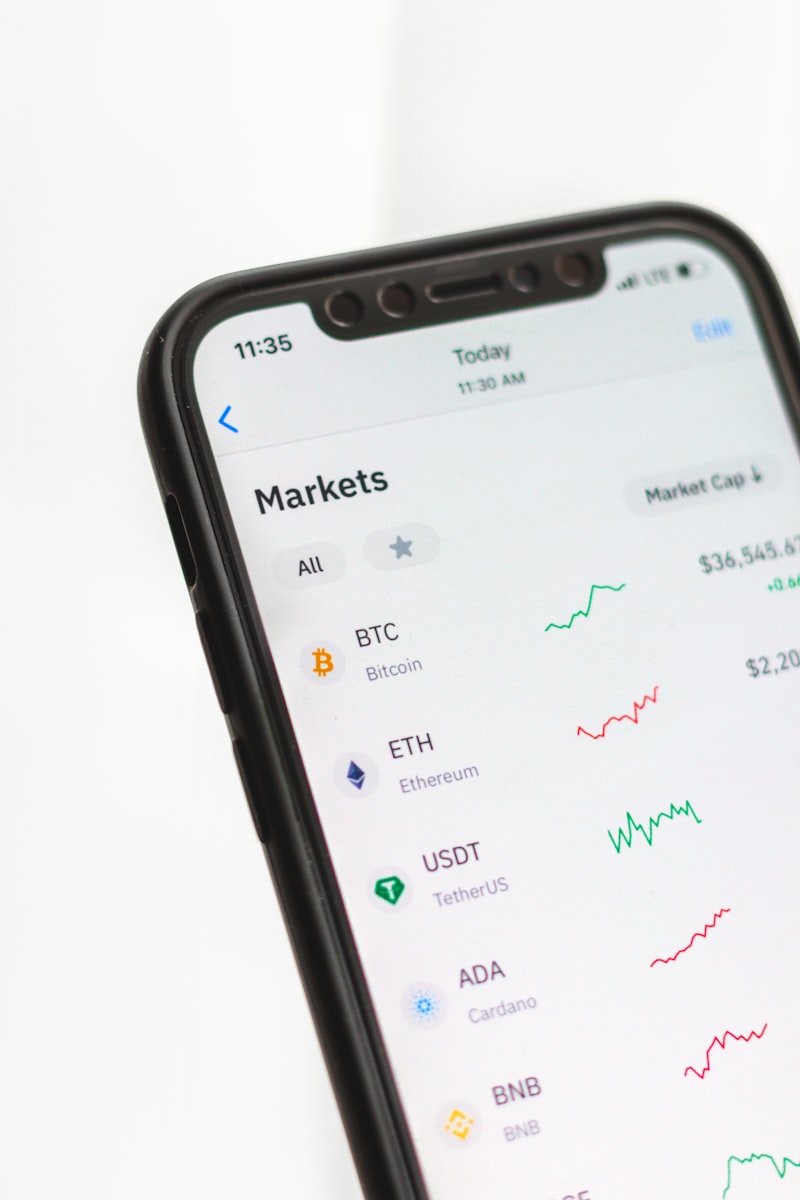
The FTX Collapse (2022): The Greatest Crypto Scandal in History
In November 2022, FTX, the world's second-largest cryptocurrency exchange, collapsed in less than 72 hours after a news report revealed the misuse of customer funds. Sam Bankman-Fried, once hailed as the 'J.P. Morgan of crypto,' was arrested and sentenced to 25 years in prison.

The Collapse of Long-Term Capital Management (1998): When Nobel Laureates Nearly Destroyed Wall Street
Long-Term Capital Management was the world's most sophisticated hedge fund: founded by Salomon Brothers' John Meriwether and featuring two Nobel Prize winners in economics (Scholes and Merton) on its board. In 1998, with $125 billion in assets and a 25:1 leverage, it nearly brought the global financial system to its knees.

The Boom of the British Industrial Revolution (1760–1840): How Steam Changed the World
The British Industrial Revolution was the most radical economic shift in human history since the invention of agriculture: in 80 years, Britain went from an agrarian economy to one producing 40% of the world's manufactured goods.

The Mexican Peso Crisis (1994–1995): The 'Tequila Effect'
On December 20, 1994, after Christmas, the Mexican government devalued the peso. Within days, panic spread across Latin America—the so-called 'Tequila Effect.' Only a $50 billion bailout coordinated by Clinton and the IMF prevented a global catastrophe.

The Steel Boom and Carnegie Steel (1870–1900): How Steel Built Modern America
The story of Carnegie Steel is the perfect case study on the power of industrial innovation: how the Bessemer process, applied on an industrial scale by Carnegie, lowered the cost of steel by 90%, made modern skyscrapers and bridges possible, and created the first great American corporate merger.
The South Sea Company Boom (1720): The Mother of All Bubbles
1720 was the year of speculative bubbles: in Great Britain, the South Sea Company, and in France, John Law's system collapsed simultaneously, ruining millions. Even Isaac Newton lost a fortune—and uttered a phrase that has become legendary.

The 1997–1998 Asian Crisis: When the 'Asian Tigers' Collapsed
In July 1997, Thailand was forced to devalue the baht. Within a few weeks, the crisis spread to Malaysia, Indonesia, South Korea, and the Philippines, destroying years of the 'Asian miracle' growth and bringing Indonesia to the brink of political collapse.

The Black Gold Boom: Texas and Standard Oil (1870–1911)
The story of Standard Oil is the definitive case study on the power of industrial monopolies: how Rockefeller controlled 91% of the American oil market, how he used predatory practices to eliminate competitors, and how the Supreme Court ordered the breakup, creating 34 companies — including the ancestors of ExxonMobil and Chevron.
The Collapse of the Bretton Woods Monetary System (1971): The End of Gold as World Money
On August 15, 1971, U.S. President Nixon unilaterally suspended the convertibility of the dollar into gold, ending the Bretton Woods system. It was a watershed moment that redesigned the global financial system and unleashed gold as a speculative instrument.

The British Railway Boom (1840–1847) and the Mania Crash
In the 1840s, Great Britain was swept by 'Railway Mania': thousands of miles of railways were planned, billions of pounds were invested, and finally, the crash ruined tens of thousands of investors—including the computing pioneer Charles Babbage.

The Japanese Economic Miracle (1950–1990) and the Asset Bubble
Japan achieved the fastest industrialization in modern history, becoming the world's second-largest economy in 40 years. Then, between 1990 and 2003, an asset bubble burst, leaving the country in stagnation for two decades.
The Greek Debt Crisis (2010–2015): When a Eurozone Country Faced Default
The Greek sovereign debt crisis was the most significant threat to the existence of the Euro since its inception: with debt at 175% of GDP and markets demanding unsustainable yields, Greece was saved in extremis by three 'bailouts' totaling 289 billion euros.

The 2008 Financial Crisis: How Subprime Mortgages Crashed the Global Banking System
In 2008, the collapse of the US housing market and financial products derived from subprime mortgages triggered the most severe financial crisis since the Great Depression, leading to the bankruptcy of Lehman Brothers and the near-collapse of the global banking system.
The Dot-Com Bubble (1995–2000): The Internet Boom and Bust
Between 1995 and 2000, the Nasdaq grew by 400% driven by Internet enthusiasm. Then, between 2000 and 2002, it lost 80% of its value. An exemplary case study on how a real technological revolution can generate an unsustainable speculative bubble.
Black Monday — October 19, 1987
On October 19, 1987, the Dow Jones lost 22.6% in a single trading session — still the worst daily percentage drop in history. A fundamental case study on how automated mechanisms can amplify market crashes.

The 1973 Oil Crisis: When OPEC Shook the World
On October 6, 1973, Arab OPEC countries announced an oil embargo against Western nations supporting Israel. Within months, the price of oil quadrupled, bringing global industrial economies to their knees.

The Italian Economic Miracle (1958–1973): From Agricultural Country to Fifth Global Power
Between 1958 and 1973, Italy experienced an average annual economic growth of 8%, transforming from a predominantly agricultural country into one of the world's leading industrial powers—an epochal shift with no precedent in Italian history.

The Marshall Plan and European Reconstruction (1948–1952): The Post-War Era's Greatest Economic Boom
The Marshall Plan was the most colossal economic aid program in history: 13 billion USD (over 150 billion in today's values) poured into war-devastated Europe, triggering unprecedented economic growth.

The 1929 Wall Street Crash and the Great Depression
The most devastating financial collapse of the 20th century: the 1929 crash wiped out 90% of Wall Street's value in three years and plunged the entire world into an unprecedented economic depression.
Tulip Mania (1634–1637): The First Speculative Bubble in History
The first documented speculative bubble in modern history: in the Netherlands, tulip bulb prices reached astronomical figures before collapsing in 1637, ruining thousands of investors.

The Return of Inflation in Japan 2024: the end of 30 years of deflation
In 2024, Japan recorded 2-3% inflation — the first sustained inflation in 30 years. Wages rose 5% — the largest increase since 1991. The deflationary trap seemed finally broken.

Stablecoin Regulation 2025: the moment crypto becomes institution
In 2025, the USA passed the GENIUS Act on stablecoins, while Europe implemented MiCA. It's the moment crypto stops being the Wild West and becomes part of the regulated financial system.
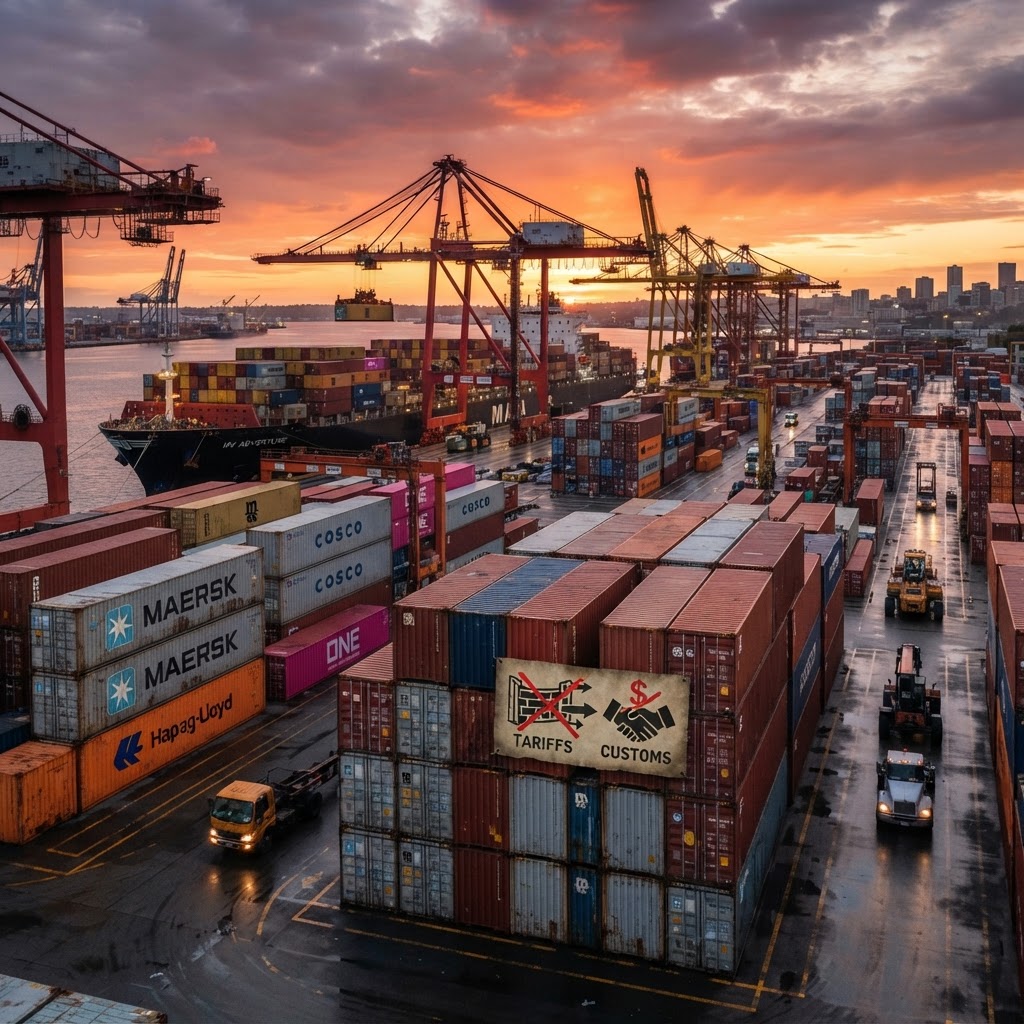
Trump's 2025 Tariffs: the biggest trade shock since the Great Depression
On April 2, 2025, Trump announced universal 10% tariffs and specific tariffs up to 54% on China. The S&P 500 lost 10% in 2 days — the third-worst 3-day crash in American history.
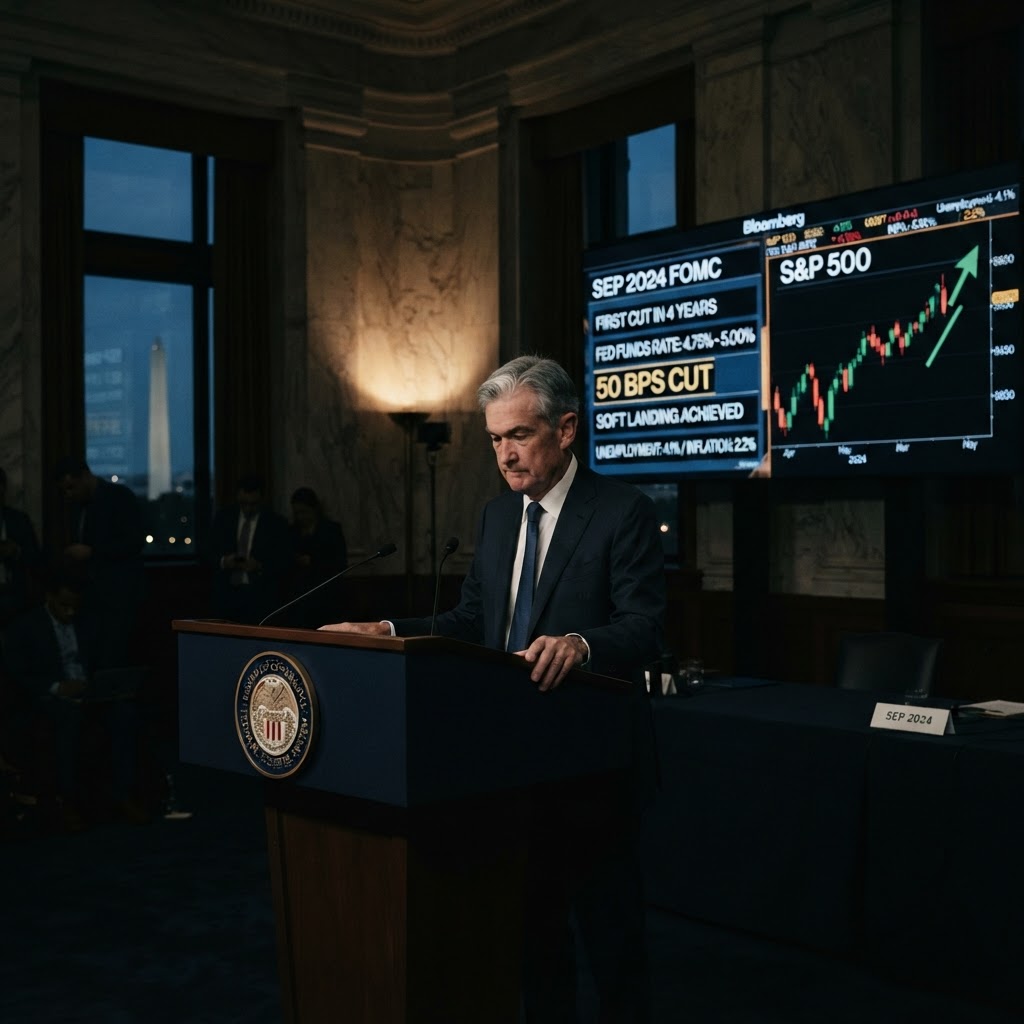
The Fed Pivot 2024: the end of the hike cycle and the first cut in 4 years
On September 18, 2024, the Fed cut rates 50 bps — the first cut in 4 years. Markets had anticipated it for months. The S&P 500 was at all-time highs. The soft landing seemed successful.
Berkshire's Record Cash 2024: when Buffett says no to markets
At the end of 2024, Berkshire Hathaway held $325 billion in Treasury Bills — 30% of its assets. Buffett was selling stocks and not buying. An implicit signal on market overvaluation.
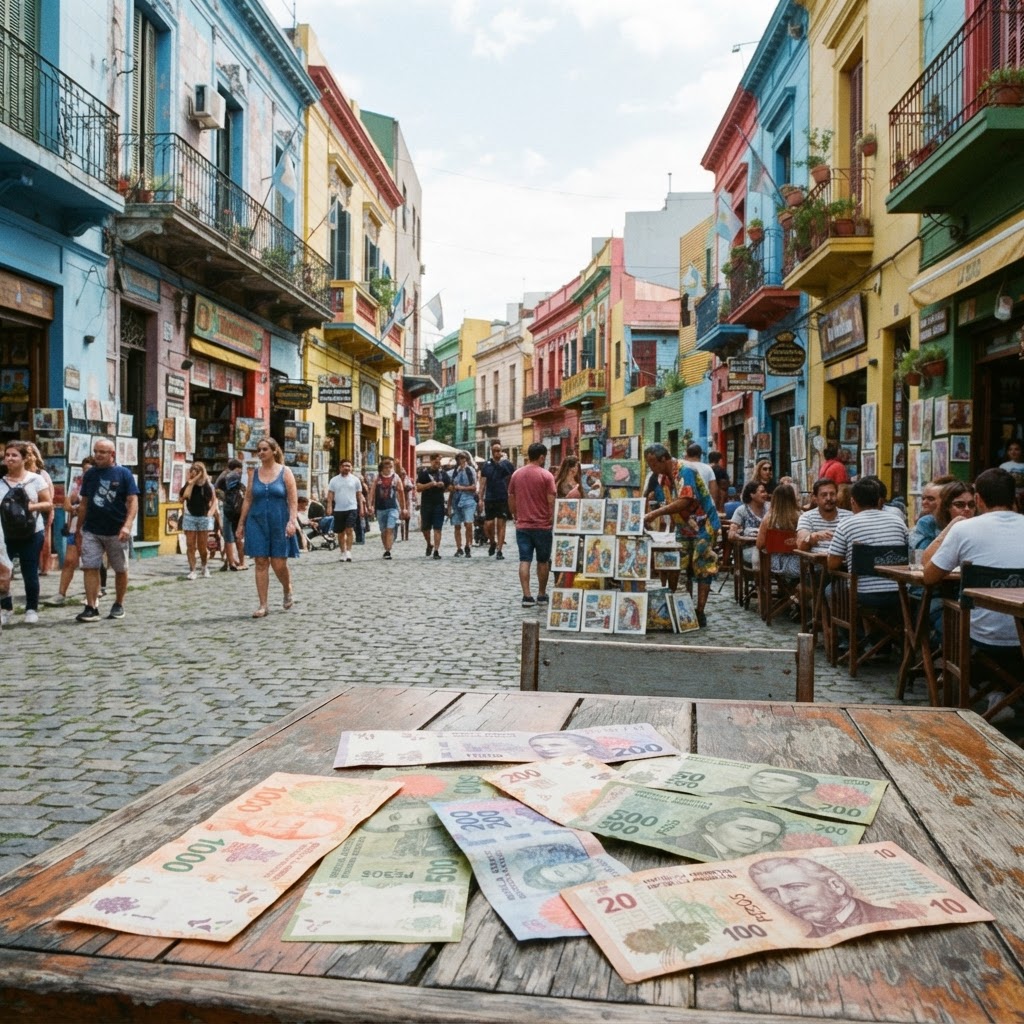
Milei and Argentina's Shock Therapy 2023: hyperinflation, devaluation, and the pact with markets
In December 2023, Milei devalued the peso 50% on inauguration day. He cut the deficit. Monthly inflation reached 25%. But financial markets reacted positively. An extreme economic experiment.

Berkshire Hathaway and the Japanese Trading Houses 2020: Buffett discovers Japan
In August 2020, Berkshire Hathaway revealed it had purchased about 5% each of Japan's 5 largest trading houses. The investment was nearly unknown. In 3 years, the value tripled.

Tesla's S&P 500 Inclusion 2020: the largest index rebalance in history
Tesla's inclusion in the S&P 500 on December 21, 2020 was the largest single inclusion in history. Index funds had to buy $80 billion in TSLA shares in a few days. The stock rose 70% in advance.

DeFi Summer 2020: when decentralized finance exploded every week
In summer 2020, DeFi (Decentralized Finance) exploded: TVL (Total Value Locked) went from $1 billion to $10 billion in 3 months. Yield farming, liquidity mining, governance tokens — a completely new ecosystem.

NVIDIA in the Trillion Dollar Club 2023: the most important chip maker in history
On May 30, 2023, NVIDIA surpassed $1 trillion in market cap. It was the fifth American company to reach this milestone. A year later it was the world's second-largest company. The AI race in one number.

Roaring Kitty's Return 2024: GameStop doubles again in two days
In May 2024, Roaring Kitty returned to X after 3 years of silence. GameStop exploded 100% in two days. History repeated itself — including the subsequent crash. A case study on social media influence on markets.

The US Regional Bank Crisis 2023: SVB wasn't alone
After SVB (March 10, 2023), Signature Bank failed 2 days later, First Republic was sold in May. In total, 3 large regional banks failed in 60 days — more than in the previous 15 years.
The Spot Bitcoin ETF 2024: the most anticipated institutionalization of crypto in history
On January 10, 2024, the SEC approved 11 spot Bitcoin ETFs. In 3 days they raised $10 billion. BlackRock's IBIT became the fastest ETF to reach $10 billion in history. Bitcoin rose to $73,000.

ChatGPT and the AI Revolution 2023: when OpenAI changed the world in 5 days
On November 30, 2022, OpenAI launched ChatGPT. In 5 days: 1 million users. In 2 months: 100 million. The fastest technology adoption in history triggered the AI race and NVIDIA's bull market.

Russia-Ukraine War 2022: how a conflict reshaped global commodity markets
On February 24, 2022, Russia invaded Ukraine. Wheat, European natural gas, nickel, and palladium exploded. Wheat rose 60%, European natural gas 500%. A case study on geopolitical impact on commodities.

The NFT Bubble 2021-2022: when JPEGs were worth millions
In 2021, NFTs exploded: Beeple sold a work for $69 million, Bored Apes were worth $300,000 each. In 2022-2023, the market crashed 97%. The complete cycle of a modern speculative bubble.

COVID Stimulus and Inflation 2021: when too much money chases too few goods
In 2020-2021, the USA and Europe injected over $10 trillion in stimulus. In 2021, inflation started. In 2022, the Fed and ECB responded with the most aggressive hikes in 40 years. The complete cycle.
The SPAC Bubble 2020-2021: when listed shell companies became the new hot thing
In 2020-2021, over 600 SPACs went public raising $160 billion. Many acquired companies with no revenue and fantastic promises. In 2022, nearly all lost 70-90%. A case study in creative finance.

Tesla Battery Day 2020: when excessive expectations punish even good news
On September 22, 2020, Tesla announced revolutionary batteries that would reduce costs by 56%. The stock fell 7% — because the market expected more. A lesson in expectation management.
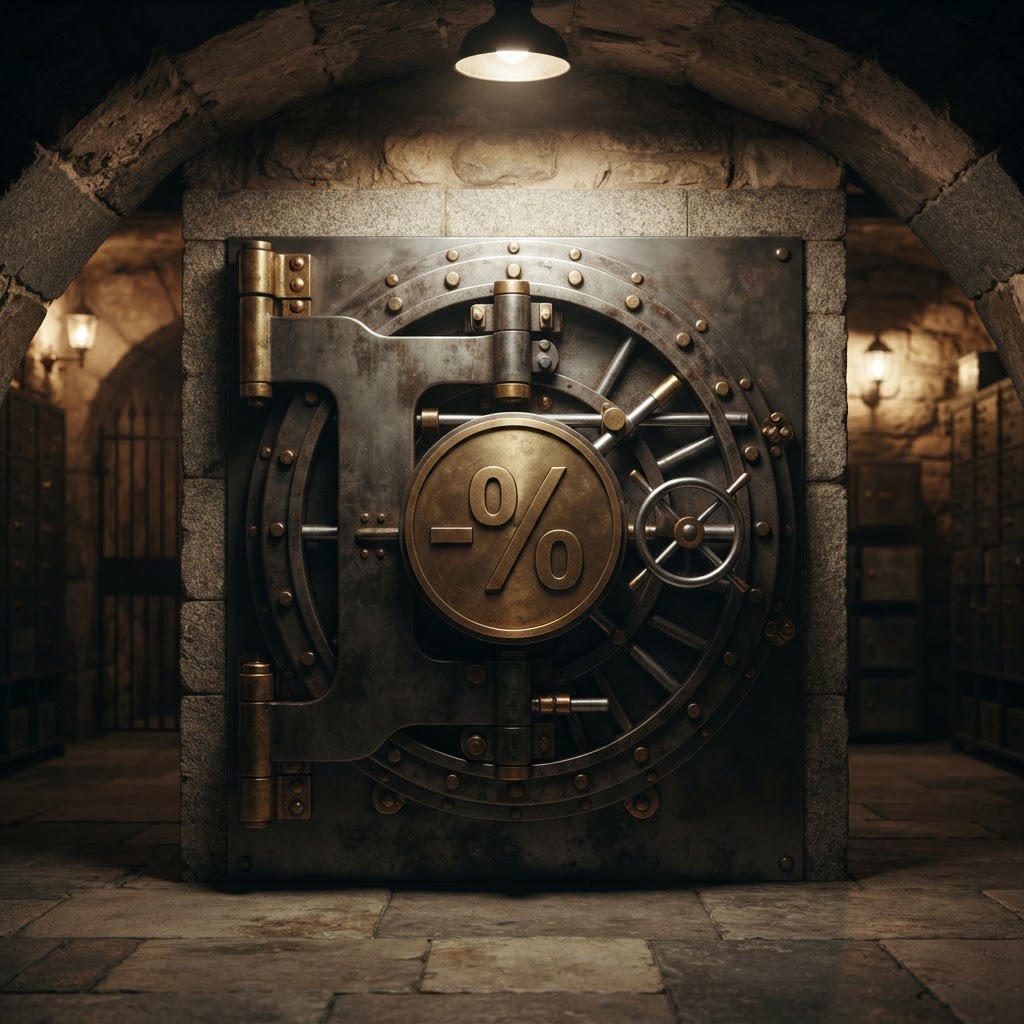
European Negative Rates 2014: when banks paid to not hold liquidity
In June 2014, the ECB cut the deposit rate to -0.10% — the first major-economy central bank to introduce negative rates. The experiment lasted 9 years and had profound consequences.

Volkswagen Dieselgate 2015: the biggest industrial scandal of the decade
In September 2015, VW admitted to installing a 'defeat device' on 11 million diesel cars. The stock lost 30% in two days. Total fines exceeded $30 billion. The CEO resigned.

Ethereum ICO 2014: how to raise $18 million with a whitepaper and create the world's second-largest crypto
In 2014, Vitalik Buterin — 19 years old — raised $18 million selling Ether in an ICO. Ethereum launched in 2015 and today is worth hundreds of billions. The story of the most impactful whitepaper after Bitcoin.

Bitcoin 2009: how a 9-page anonymous document created a trillion-dollar industry
On October 31, 2008, an anonymous Satoshi Nakamoto published the Bitcoin whitepaper. On January 3, 2009, the first block was mined. The first Bitcoins were worth zero. Today they're worth over $1 trillion.
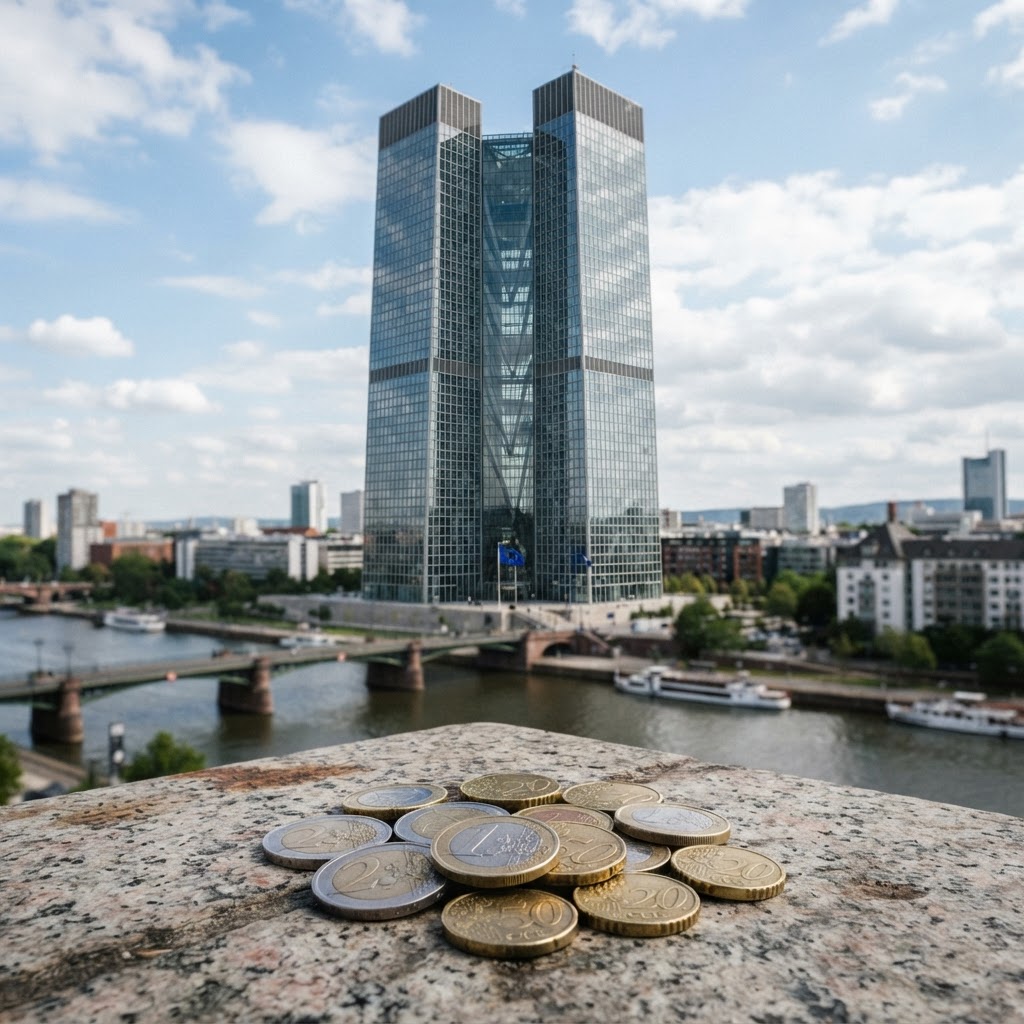
Draghi and Whatever It Takes 2012: the three words that saved the euro
On July 26, 2012, Mario Draghi said 'whatever it takes to preserve the euro.' Markets calmed immediately. It was the most effective communication operation in central bank history.
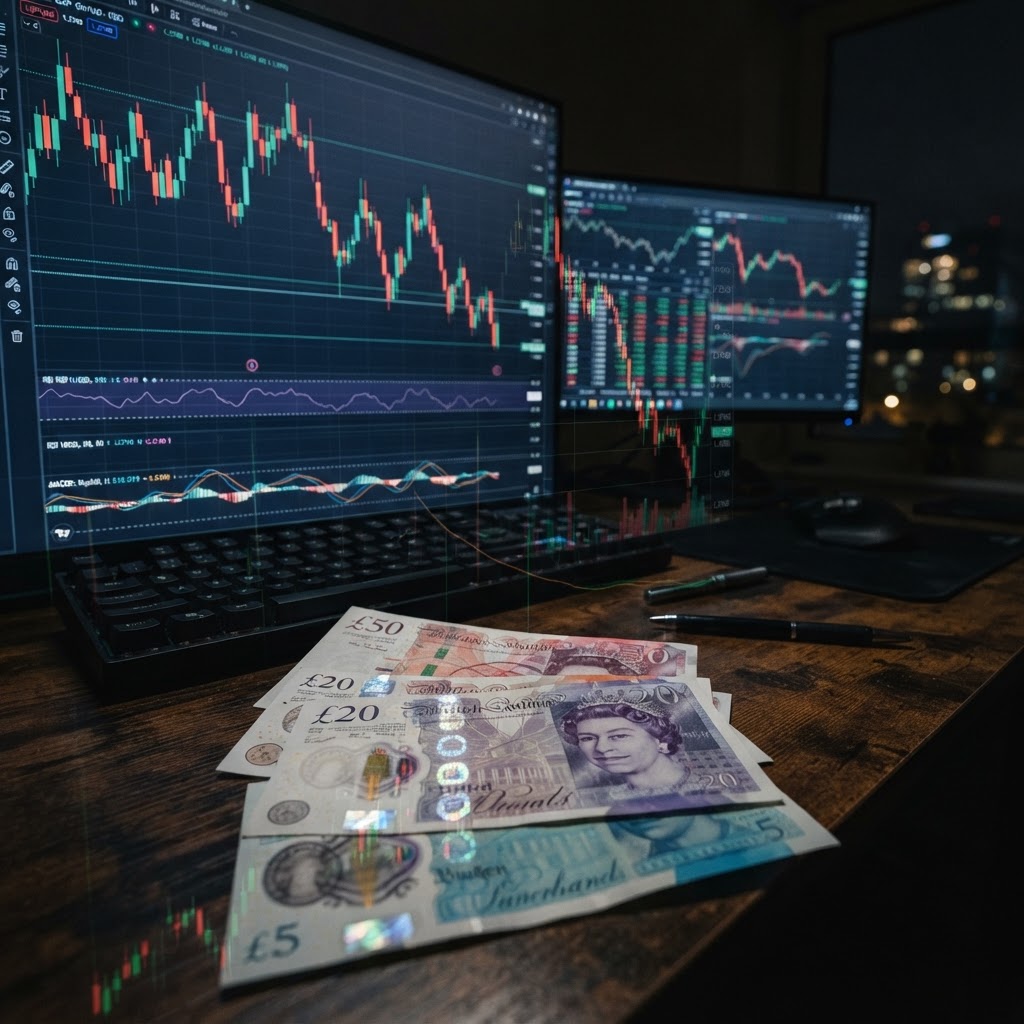
The 2016 Pound Flash Crash: Brexit and the 6 minutes that wiped out 6%
On the night of October 6-7, 2016, the pound crashed 6% in less than 6 minutes in the Asian forex market. A flash crash caused by algorithms, low nighttime liquidity, and hard Brexit news.

The US Housing Bubble 2000-2006: the seeds of the 2008 crisis
Between 2000 and 2006, American house prices rose 124%. Mortgages were granted without documentation. Securitization hid the risk. The seeds of 2008 were visible.

China's WTO Entry 2001: the greatest economic transformation of the 21st century
In December 2001, China entered the WTO. In the following 20 years, China became the world's factory, exported global deflation, accumulated $3 trillion in reserves, and became the world's second-largest economy.

The Iraq War 2003 and Oil: geopolitics, prices, and financial markets
The March 2003 invasion of Iraq created great uncertainty in markets beforehand, but stock markets rebounded immediately when the war began. The 'buy the war' effect in action.

WorldCom 2002: the largest accounting fraud in American history up to then
In 2002, WorldCom revealed it had classified $11 billion in expenses as capital investments. It was the largest American accounting fraud until Enron. CEO Bernie Ebbers was sentenced to 25 years.

The Ruble Collapse 1998: the end of the post-Soviet transition illusion
The Russian default of August 17, 1998 wasn't just a financial crisis: it marked the collapse of the rapid transition to capitalism experiment, the rise of oligarchs, and the end of the Western illusion about Russia.
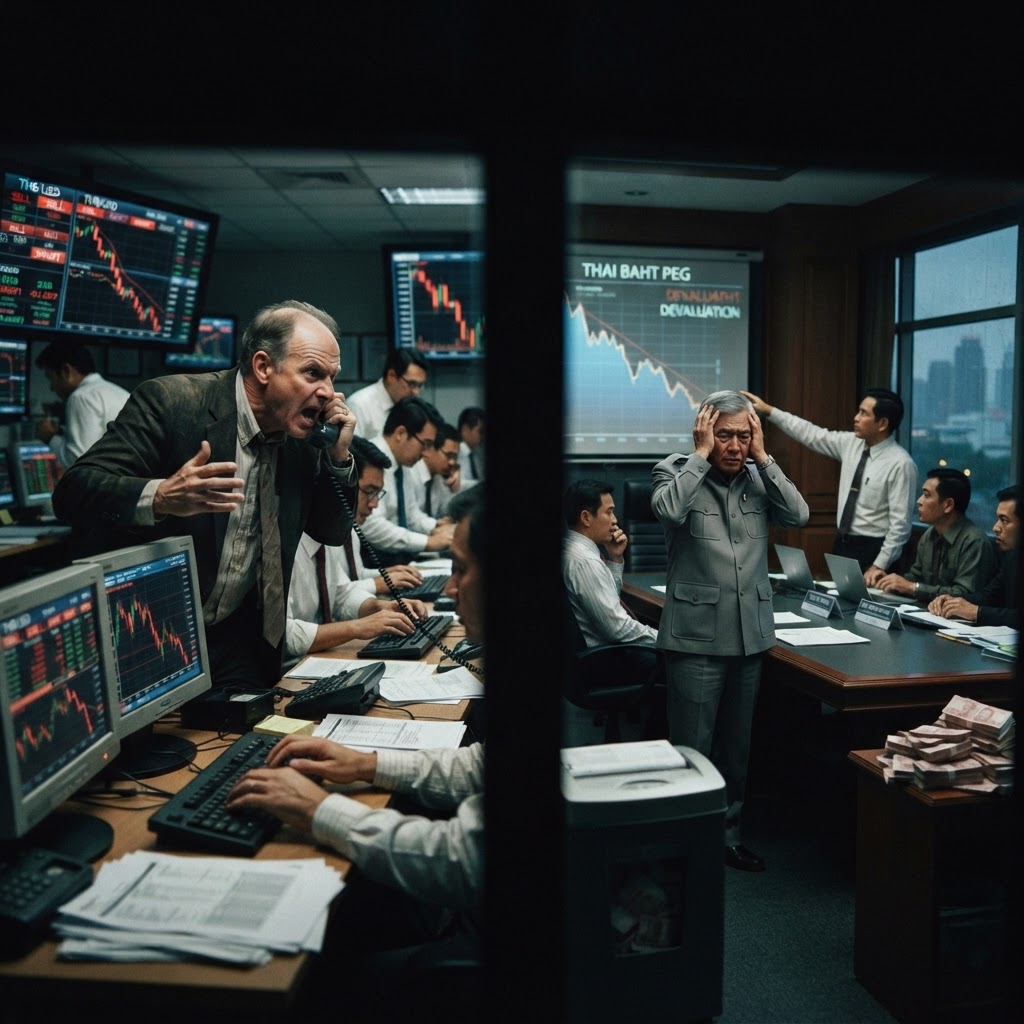
Soros and the Thai Baht 1997: the spark of the Asian crisis
In May-July 1997, Soros and other hedge funds attacked the dollar-pegged Thai baht. Thailand surrendered on July 2. The crisis that swept all of Asia began.
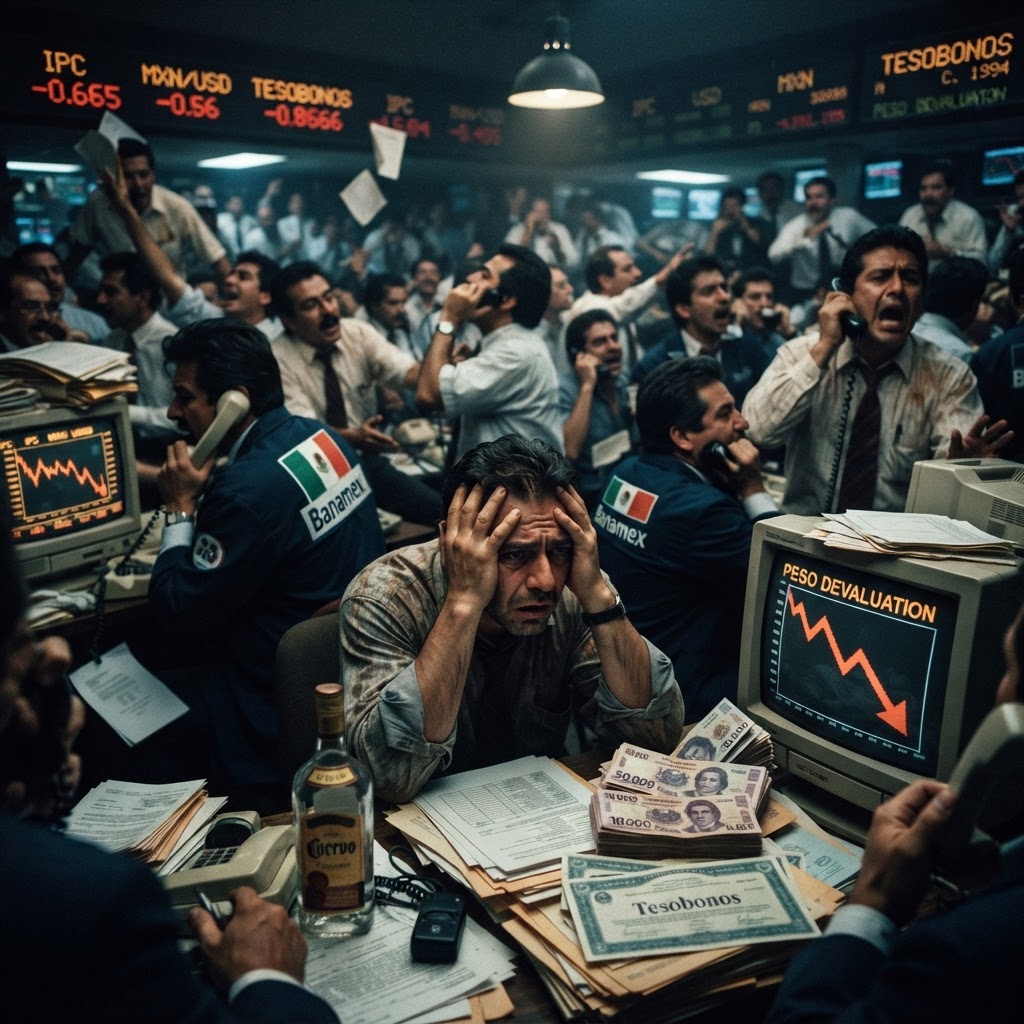
The Mexican Tequila Crisis 1994: the first default of the modern emerging markets era
In December 1994, Mexico was forced to devalue the peso. The crisis spread throughout Latin America (Tequila effect). Clinton approved a $50 billion bailout to avoid global contagion.
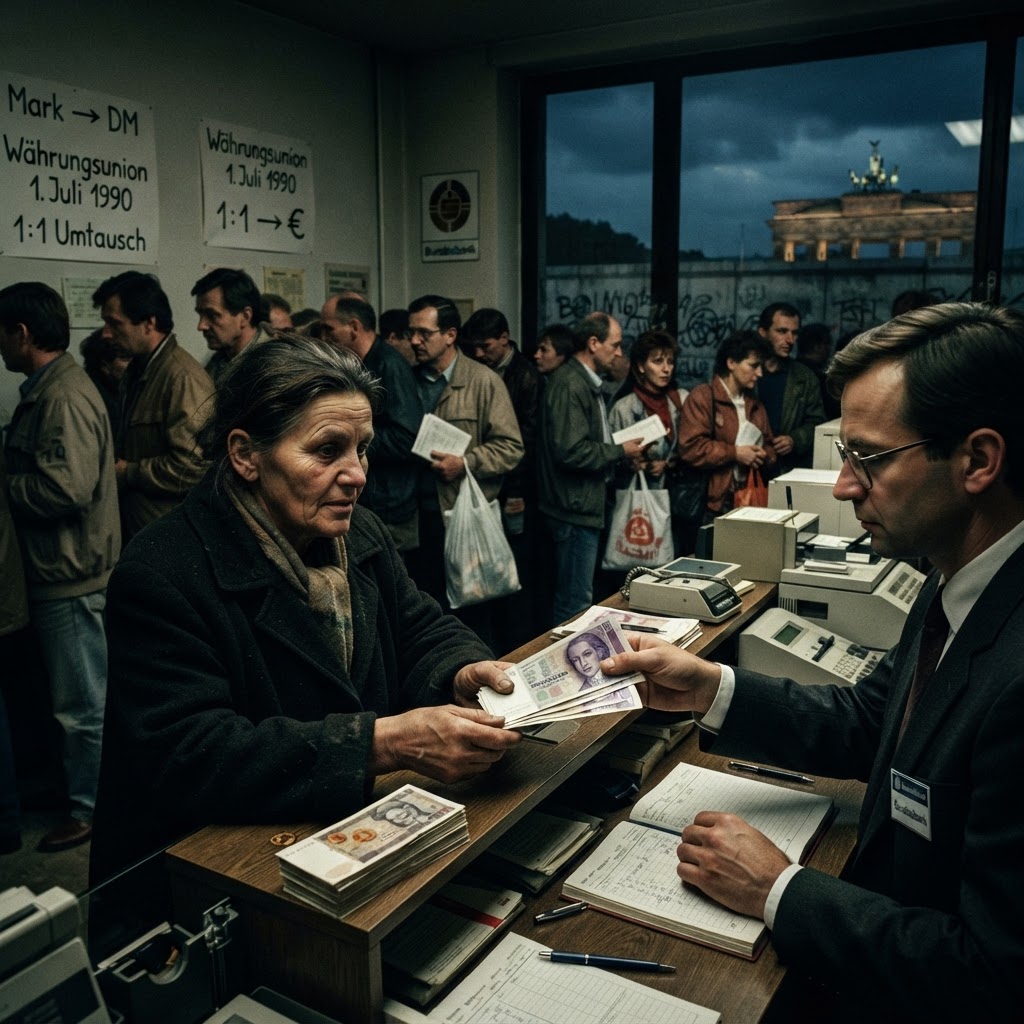
German Unification 1990 and the Markets: when geopolitics moves the economy
In 1990, East Germany adopted the German mark at a 1:1 exchange rate. It cost the budget enormously. To finance itself, the Bundesbank raised rates — creating the tensions that led to the 1992 ERM crisis.

Michael Milken and Junk Bonds 1989: the junk bond king and the end of an era
Michael Milken created the modern junk bond market, financing companies excluded from traditional markets. In 1989 he was arrested, paid $600 million in fines, and served 2 years in prison. End of a Wall Street era.

Ivan Boesky 1986: the insider trading king who transformed Wall Street
Ivan Boesky was the largest insider trader in American history. Arrested in 1986, he paid $100 million in fines and cooperated with justice. His fall dragged down Michael Milken and changed Wall Street forever.
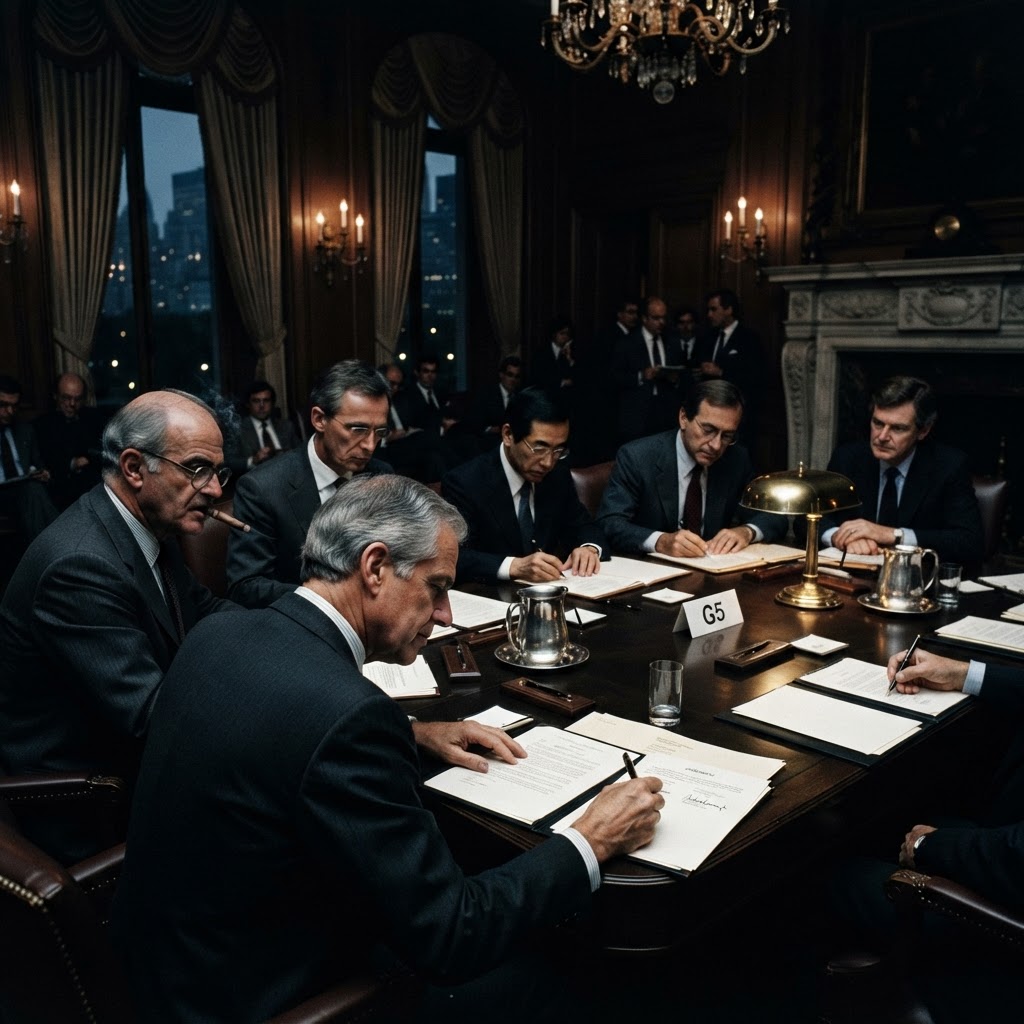
The Plaza Accord 1985: how the five largest economies devalued the dollar in a weekend
On September 22, 1985, the USA, Germany, Japan, France, and the UK agreed at the Plaza Hotel in New York to devalue the dollar. In two years, the dollar lost 40% against the yen and the mark.
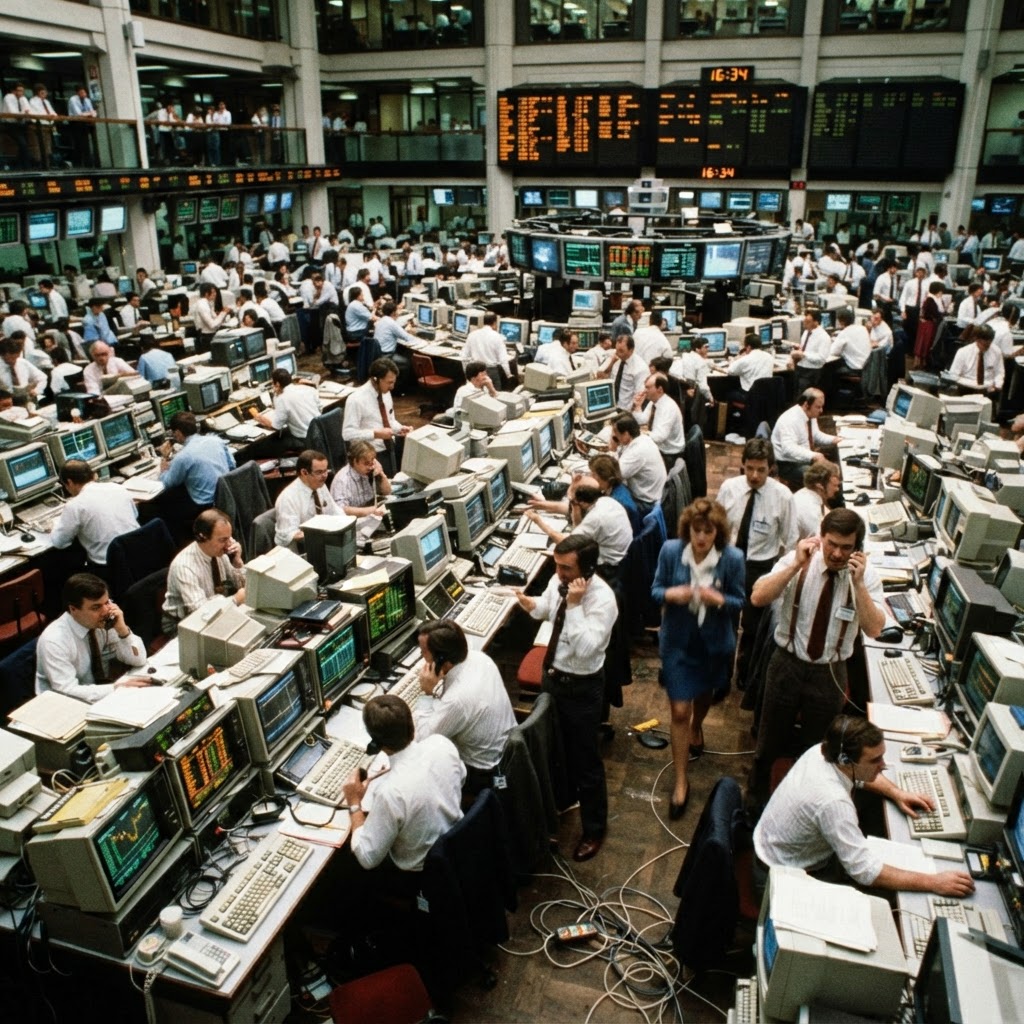
The London Big Bang 1986: the deregulation that transformed the City
On October 27, 1986, the deregulation of the London Stock Exchange eliminated fixed commissions, broker-jobber separations, and opened markets to foreigners. The City was never the same.

The Petrodollar System 1974: how Saudi oil saved the dollar after Nixon
In 1974, Kissinger negotiated with Saudi Arabia: oil would be sold only in dollars, and Saudi petrodollars would be reinvested in American Treasuries. The petrodollar system was born.
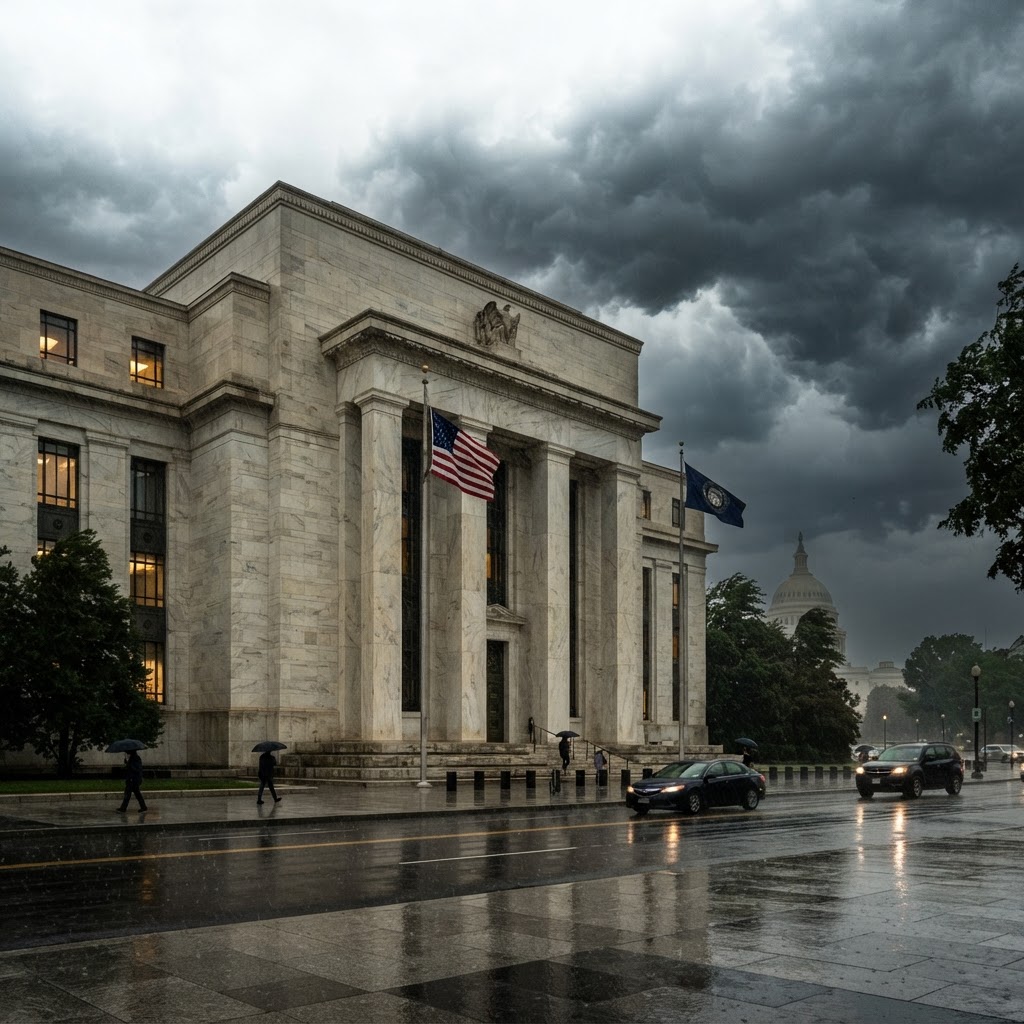
The Fed in 2022: the most aggressive rate hike cycle in 40 years and the bond bear market
In 2022, the Federal Reserve raised rates by 425 basis points in 9 months. The bond market suffered the worst losses since 1788. The S&P 500 lost 20%, the NASDAQ 33%.
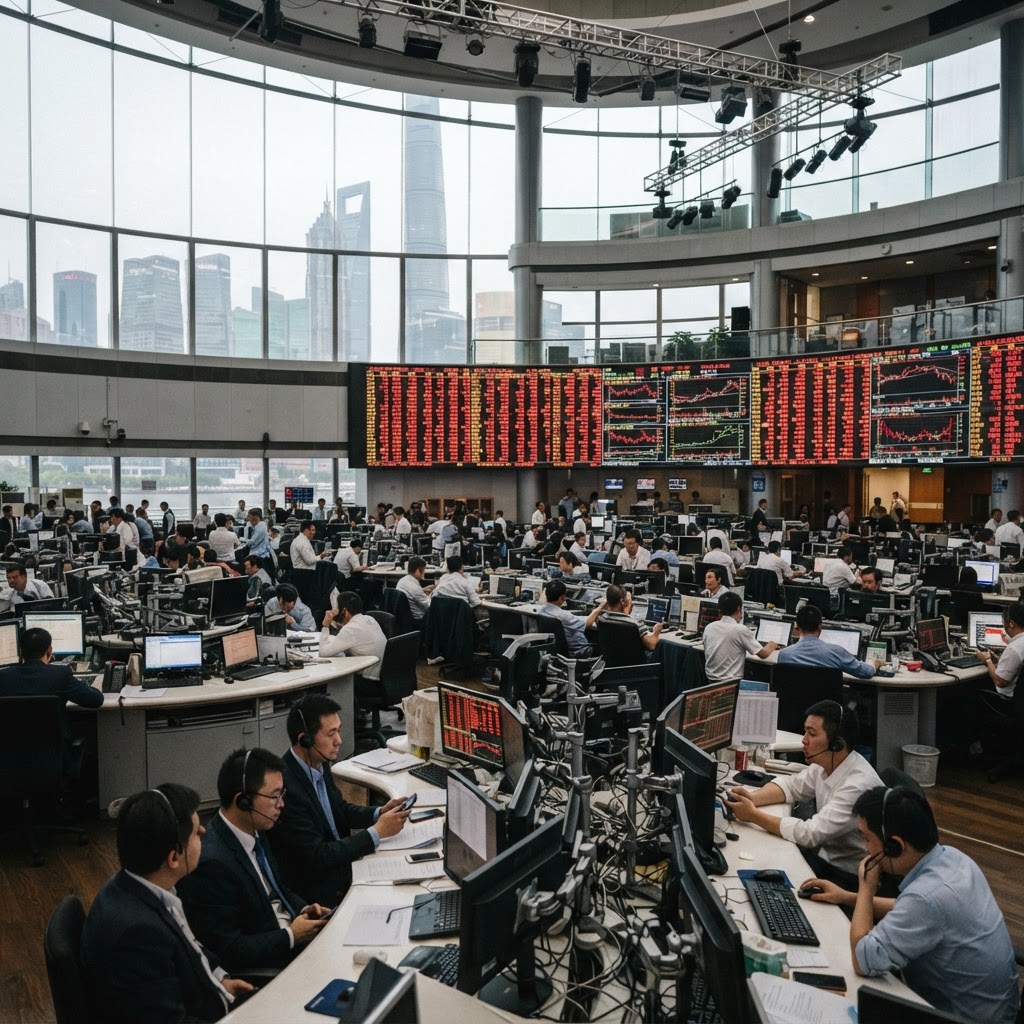
The 1989 Nikkei Bubble: the market that never returned to its highs
On December 29, 1989, the Nikkei hit its all-time high of 38,957 points. Then it crashed 80% in 3 years. 35 years have passed and the index has only just touched those highs again — in 2024.

Parmalat: The 14 billion hole that shook Italy and Europe
In December 2003, Parmalat revealed that 3.9 billion euros in a Bank of America account in the Cayman Islands simply did not exist. The total fraud was estimated at 14 billion. The 'European Enron'.
Argentina 2001: The $100 Billion Sovereign Default and the End of the Peso-Dollar Peg
In December 2001, Argentina declared a default on $100 billion of sovereign debt. The peso was de-pegged from the dollar. Savers lost their bank deposits due to the 'corralito'.
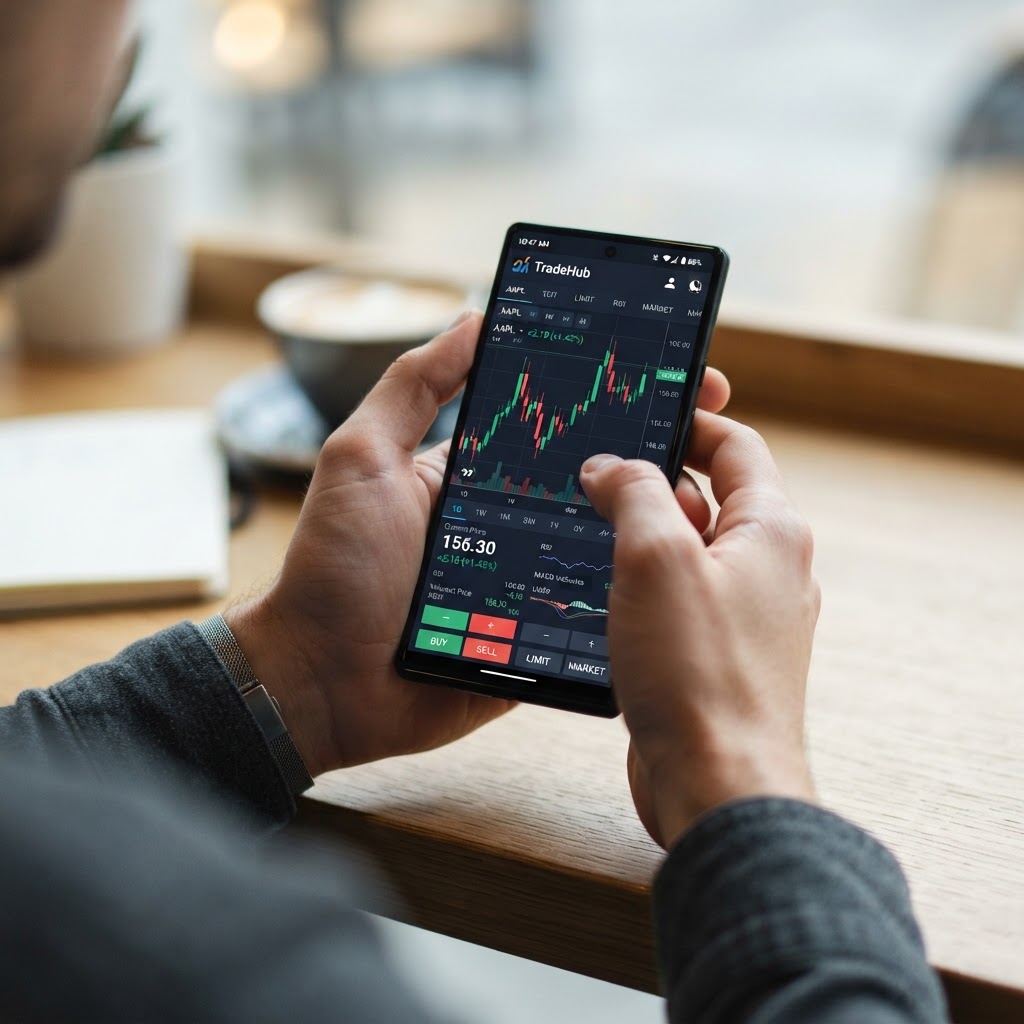
Parmalat: the €14 billion hole that shook Italy and Europe
In December 2003, Parmalat revealed that €3.9 billion in a Bank of America account in the Cayman Islands simply didn't exist. The total fraud was estimated at €14 billion. The 'European Enron' shook markets.
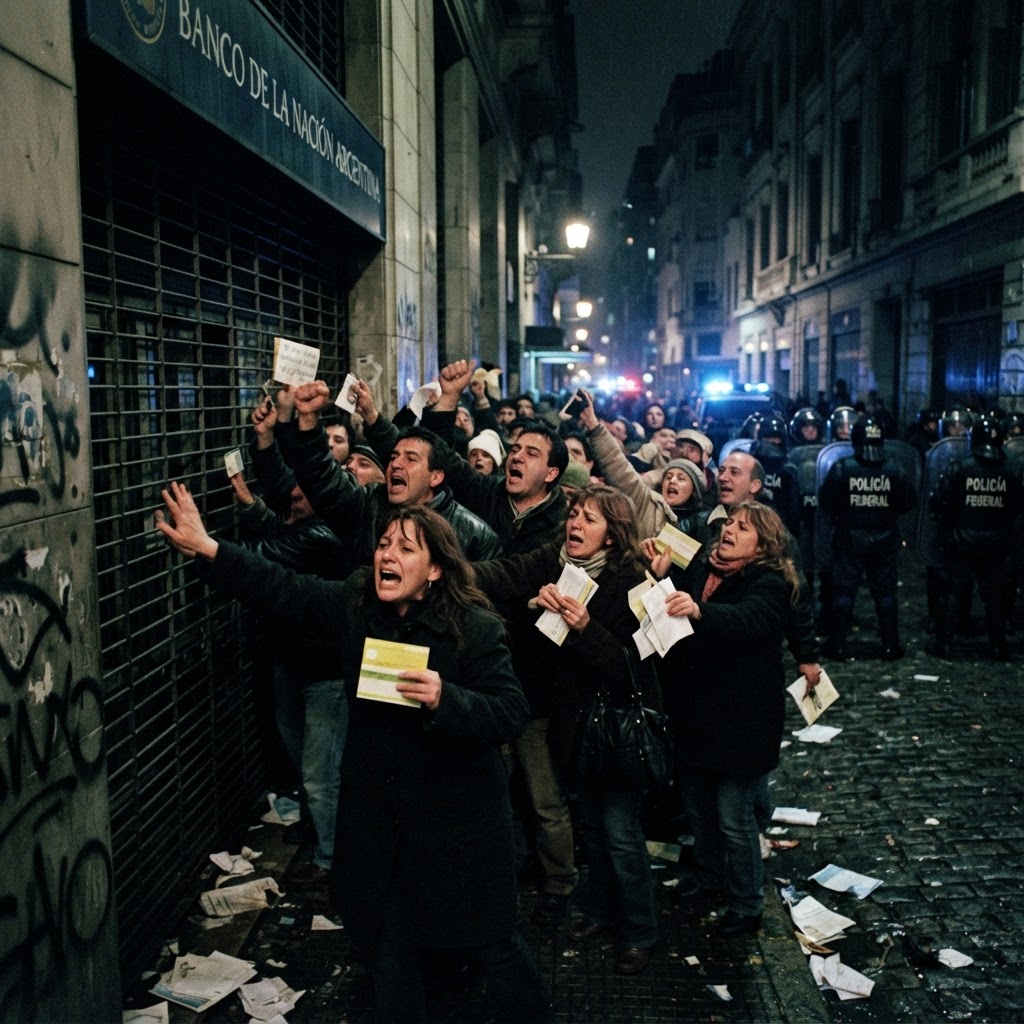
Argentina 2001: the $100 billion sovereign default and the end of the peso-dollar peg
In December 2001, Argentina declared default on $100 billion in sovereign debt — the largest in history. The peso was abandoned from its dollar peg. Savers lost bank deposits.
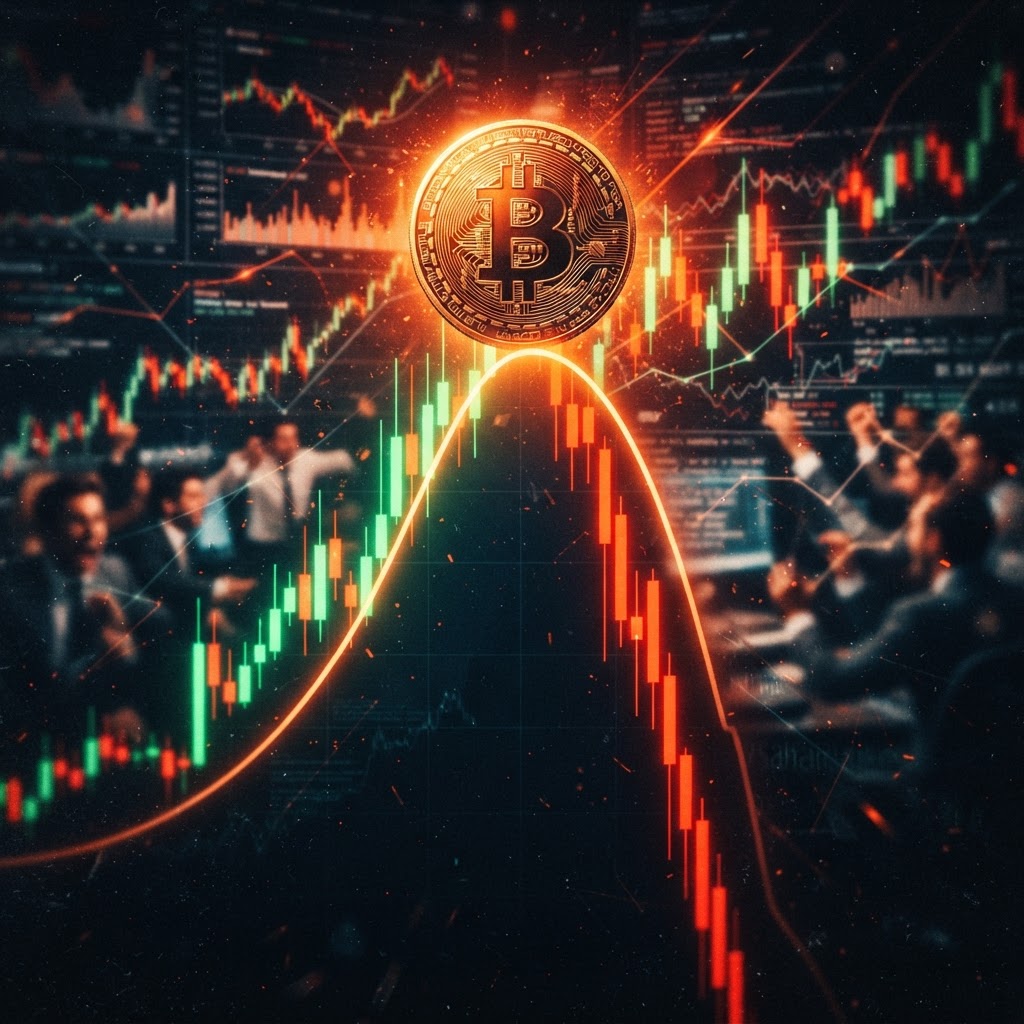
Bitcoin from $1,000 to $20,000: anatomy of a speculative bubble
In 2017, Bitcoin rose 2000% in 12 months, dragging the entire crypto market with it. January 2018 marked the beginning of a bear market that would wipe out 85% of its value.
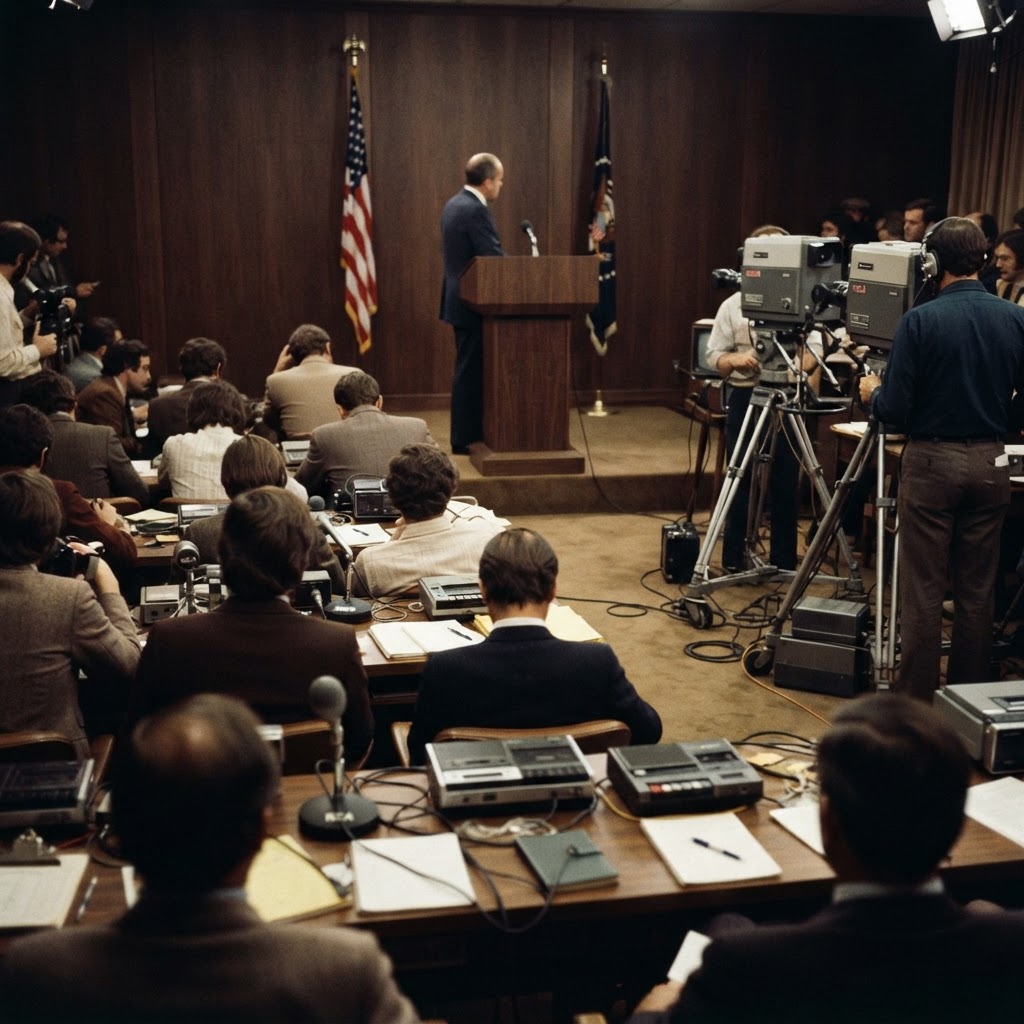
Nixon Shock 1971: the end of the gold standard and the birth of global fiat currency
On August 15, 1971, Nixon announced the end of dollar-gold convertibility. The gold standard era ended. The system of floating currencies based on trust that still governs currency markets today was born.

Bernard Madoff: The Largest Ponzi Scheme in History — $65 Billion Vanished
In December 2008, Bernard Madoff confessed to his sons that his hedge fund was a $65 billion Ponzi scheme. He had deceived banks, funds of funds, and thousands of investors for nearly 20 years.

Bernard Madoff: the largest Ponzi scheme in history — $65 billion vanished
In December 2008, Bernard Madoff confessed to his sons that his hedge fund was a $65 billion Ponzi scheme. He had deceived banks, funds of funds, foundations, and thousands of investors for nearly 20 years.
Tesla 2020: The greatest short squeeze in modern stock market history
In 2020, Tesla rallied 740%, becoming the fifth-largest company in the world. Short sellers lost over $38 billion. The Tesla case redefined the risks of short selling.
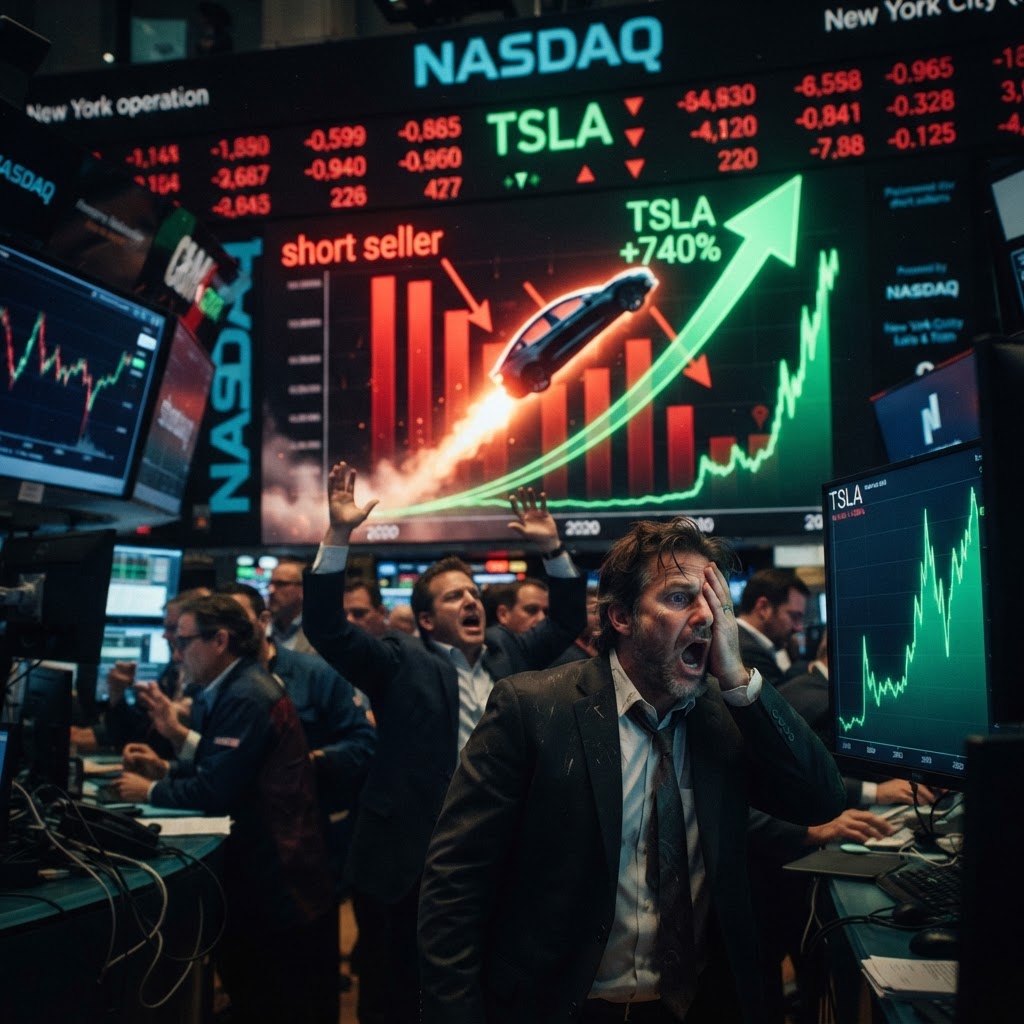
Tesla 2020: the largest short squeeze in modern stock market history
In 2020, Tesla rose 740% becoming the world's 5th-largest company. Short sellers — who had bet against the stock — lost over $38 billion. The Tesla case redefined the risk of short selling.

Bretton Woods 1944: how 44 nations designed the postwar financial system
In July 1944, 730 delegates from 44 nations gathered at Bretton Woods to design the postwar international monetary system. The IMF, World Bank, and gold-dollar standard were born.

Saudi Aramco IPO 2019: the largest public offering in history
On December 5, 2019, Saudi Aramco listed on the Riyadh Stock Exchange. It raised $29.4 billion — the largest IPO in history. The $1.7 trillion valuation surpassed Apple and Microsoft.
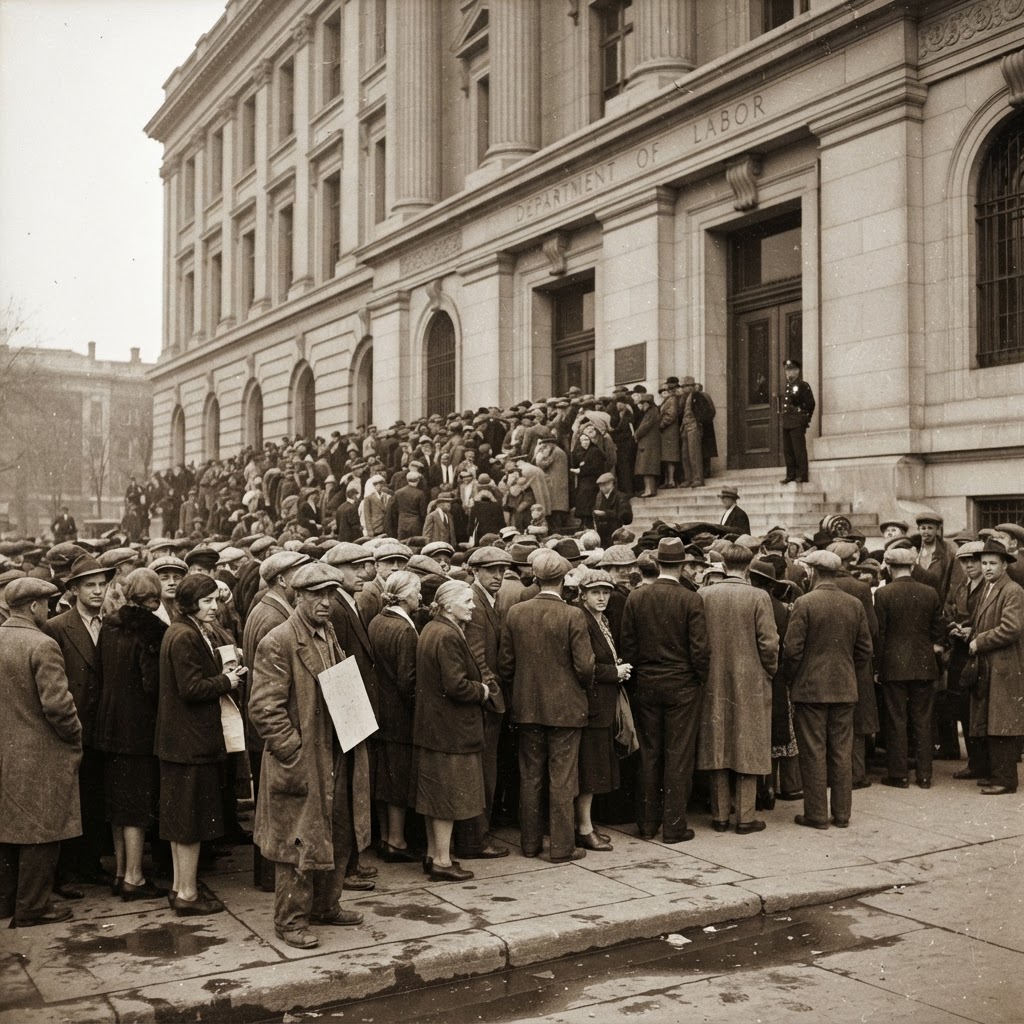
Roosevelt's New Deal 1933: how the state reinvented American capitalism
Between 1933 and 1938, Roosevelt implemented the New Deal: 15 laws in 100 days, SEC, FDIC, Social Security. He redesigned the role of the state in the capitalist economy.

Enron: the largest accounting scandal in American history
Enron was the 7th-largest US company by revenue. In 2001, it failed within months, revealing fraudulent accounting worth billions. Employees lost pension funds, shareholders everything.
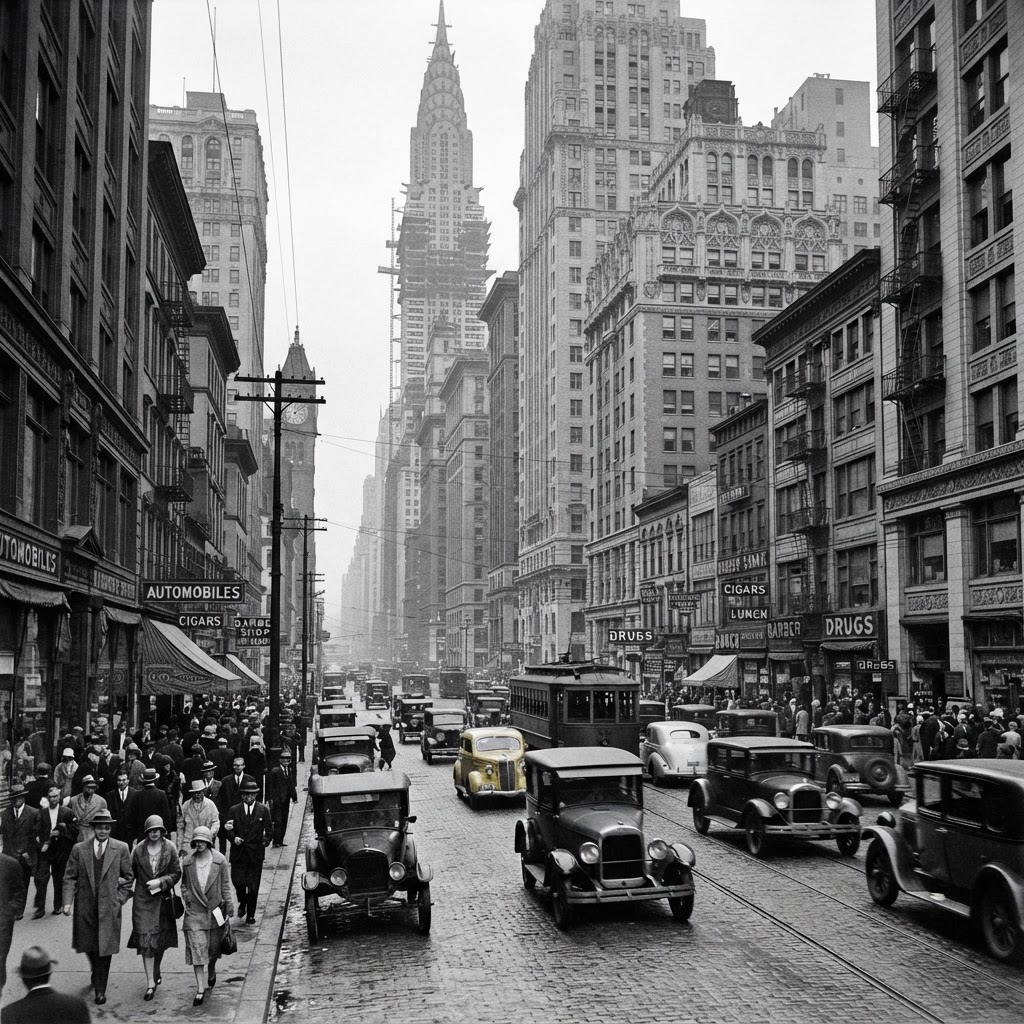
The Roaring Twenties 1920-1929: how the new economy of the '20s fueled the greatest bubble of the 20th century
The 1920s saw the emergence of new industries (auto, radio, cinema) and unprecedented stock speculation. The Dow Jones rose 500%. The seeds of the Great Crash were already planted.

FTX: the collapse of the $32 billion exchange that shook the entire crypto world
In November 2022, FTX — the world's second-largest crypto exchange — collapsed in 72 hours after CoinDesk revealed that customer funds had been used by Alameda Research for speculative bets.
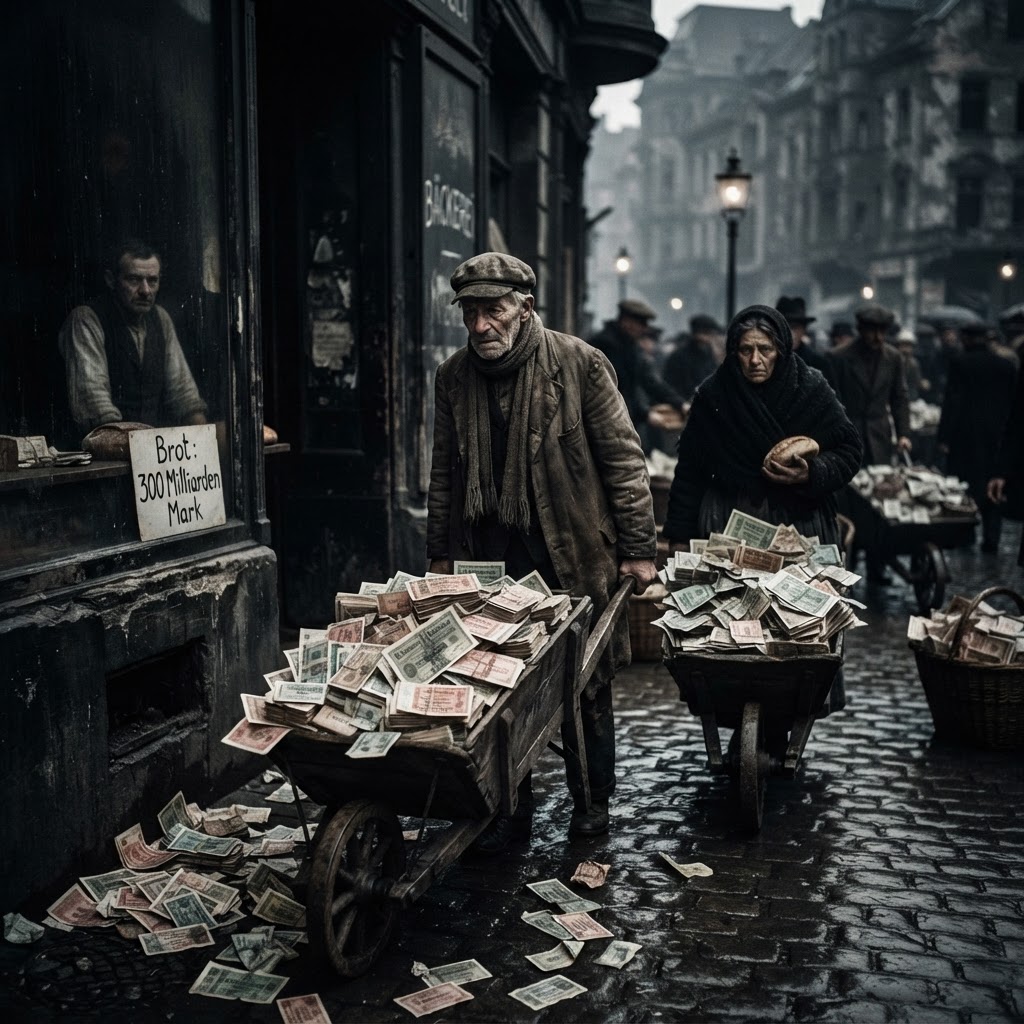
The Weimar Hyperinflation 1923: when a billion marks wasn't enough for bread
In November 1923, one dollar was worth 4.2 billion German marks. Prices doubled every 3 days. Lifetime savers found themselves with nothing. The economic trauma that paved the way for Nazism.

The British Gold Standard 1821: the golden anchor that dominated the world economy for 100 years
In 1821, the United Kingdom officially adopted the gold standard: the pound was convertible into gold at a fixed rate. The system spread throughout Europe and dominated the world economy until 1914.

The Great Crash of 1929: How the Euphoria of the '20s Turned into the Great Depression
On October 24, 1929 — 'Black Thursday' — the American stock market began the collapse that would wipe out 89% of its value over the next three years and trigger the Great Depression.
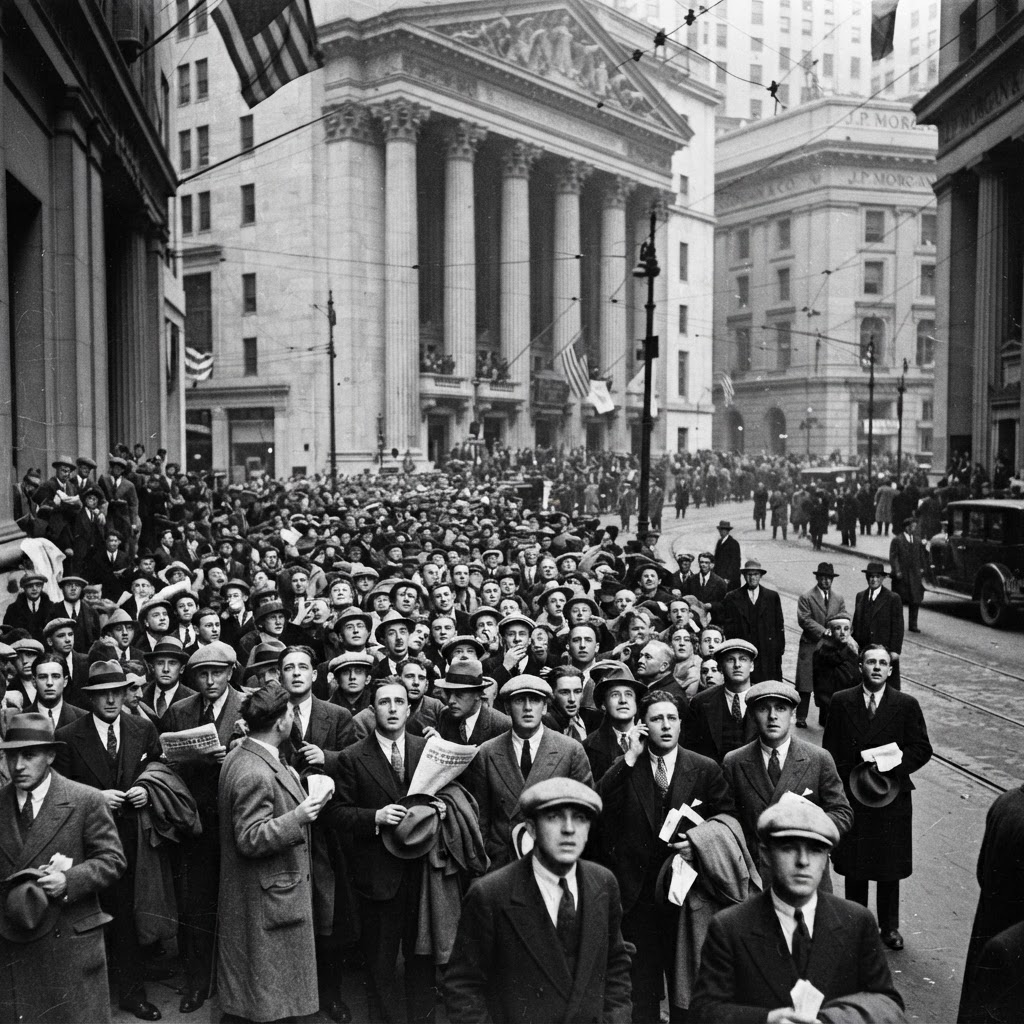
The Great Crash of 1929: how the euphoria of the '20s turned into the Great Depression
On October 24, 1929 — 'Black Thursday' — the US stock market began the crash that would wipe out 89% of its value in the following three years and trigger the Great Depression.
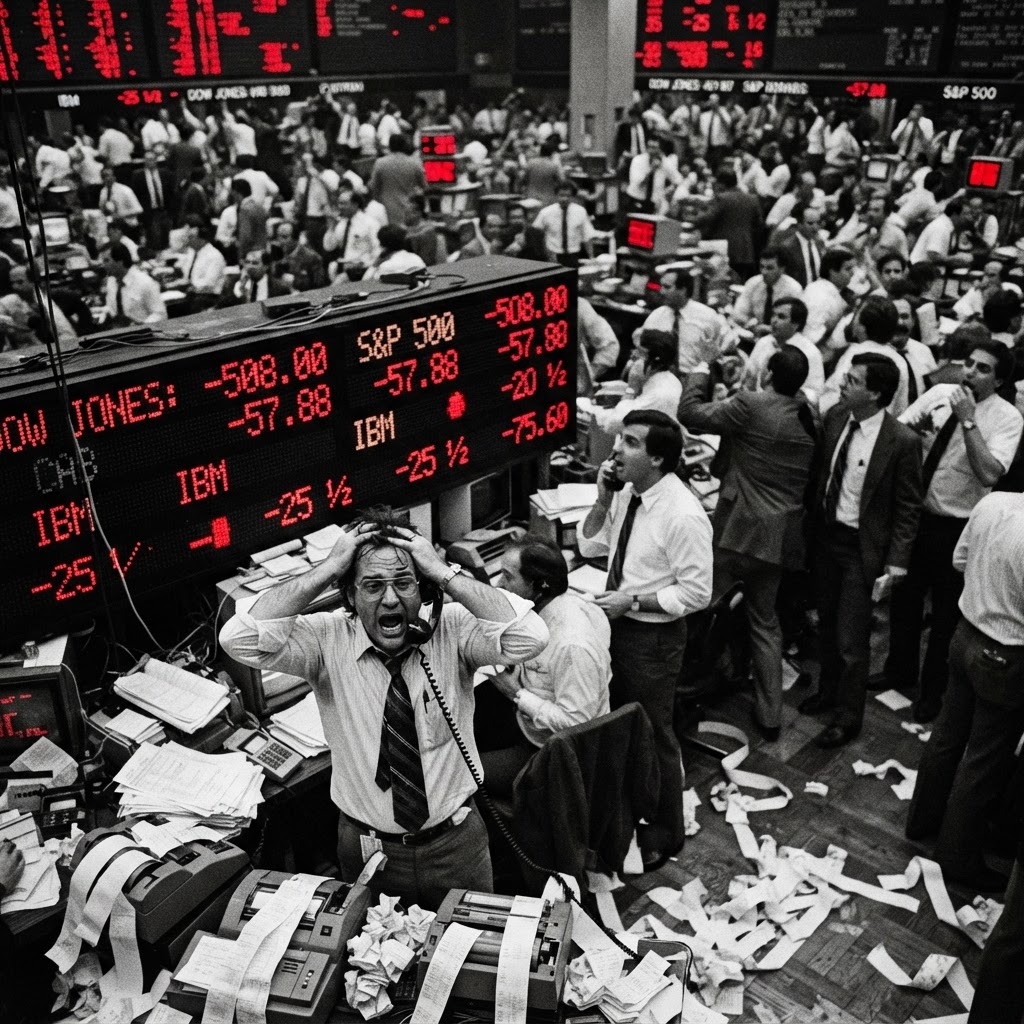
Paul Tudor Jones: how he predicted Black Monday and tripled his capital
Paul Tudor Jones not only foresaw the 1987 Black Monday — he filmed it as it happened. His fund gained 125% in a year when the world lost 22% in a day.

JP Morgan and the Panic of 1907: how a banker saved America from bankruptcy
In 1907, without a Federal Reserve, it was JP Morgan who stopped the American financial panic by injecting his own money and convincing other bankers to inject millions. This created the Fed in 1913.
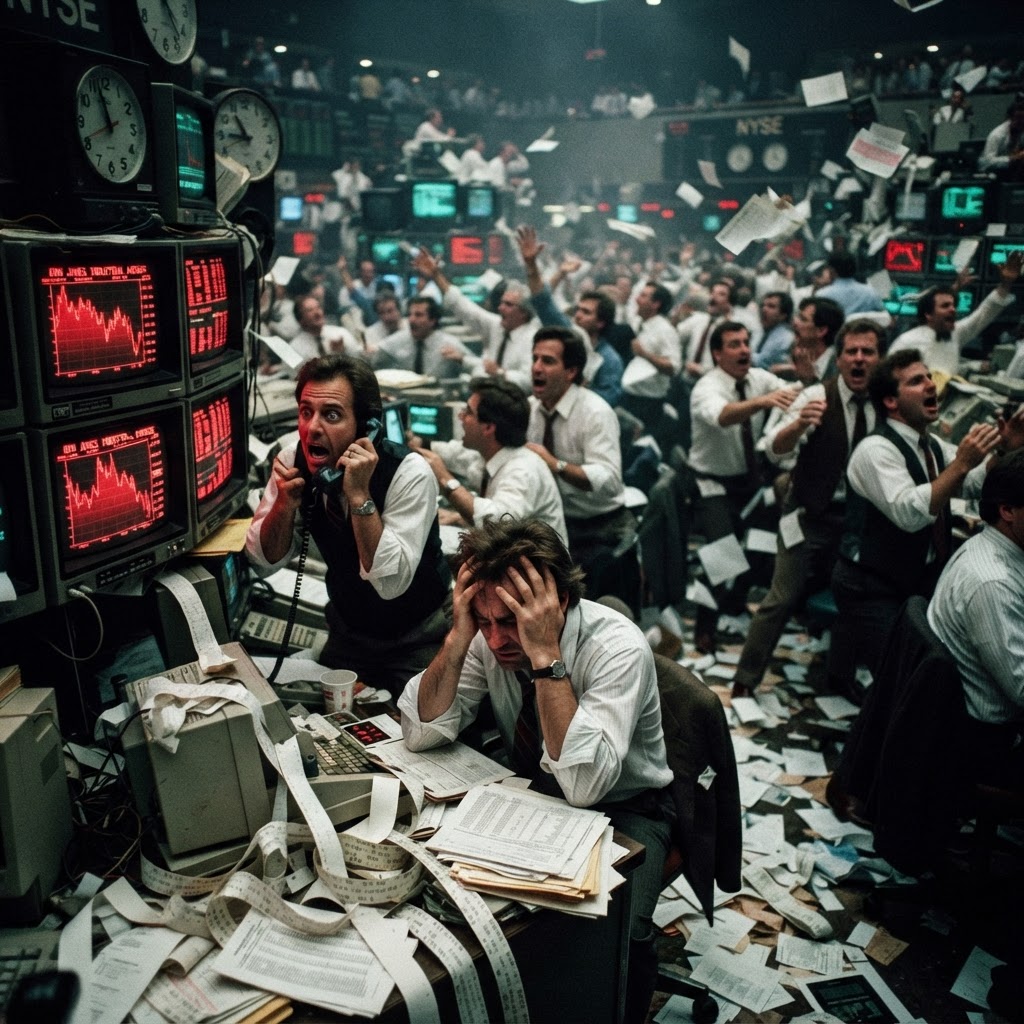
Black Monday 1987: the 22% crash in a single day
On October 19, 1987, stock markets around the world crashed in a coordinated manner. The Dow Jones lost 22.6% in a single session — the largest daily percentage loss in modern history.

The 1973 Oil Shock: when black gold became a geopolitical weapon
In 1973, Arab OPEC countries imposed an oil embargo on the US. The price of crude quadrupled in months. The recession that followed defined 1970s stagflation.

The Panic of 1873 and Jay Cooke: the collapse of America's largest bank
On September 18, 1873, Jay Cooke & Company — the bank that had financed the American Civil War — failed due to railway exposure. The crisis lasted 23 years.

Robinhood and Zero Commissions: How an app changed retail trading forever
By 2019, Robinhood already had millions of users thanks to zero commissions. Then Charles Schwab, TD Ameritrade, and Fidelity eliminated them within 48 hours. The retail trading model was redesigned.
Robinhood and Zero Commissions: how an app changed retail trading forever
In 2019, Robinhood already had millions of users thanks to zero commissions. Then Charles Schwab, TD Ameritrade, and Fidelity eliminated them in 48 hours. The retail trading model was redesigned.

Rockefeller's Standard Oil 1870: the most powerful monopoly in American history
In 1870, Rockefeller founded Standard Oil. In 20 years it controlled 91% of American refineries. In 1911 it was broken up by the Supreme Court into 34 companies — many of which still exist today.
Deutsche Bank 2016: when Germany's largest institution seemed on the brink
In 2016, Deutsche Bank suffered record losses, was fined $14 billion by the US DOJ, and its shares hit all-time lows. For months it was the European 'too big to fail' that no one wanted to save.
Buffett in the 2008 Crisis: Investing When Everyone is Selling
On September 23, 2008, in the middle of the post-Lehman panic, Warren Buffett invested $5 billion in Goldman Sachs on extraordinary terms. It was one of the greatest examples of 'being greedy when others are fearful'.

Evergrande 2021: the $300 billion debt that threatened the Chinese financial system
In September 2021, Evergrande — with $300 billion in debt — missed interest payments. The Chinese property sector crisis that followed dragged the entire Chinese economy into years of stagnation.
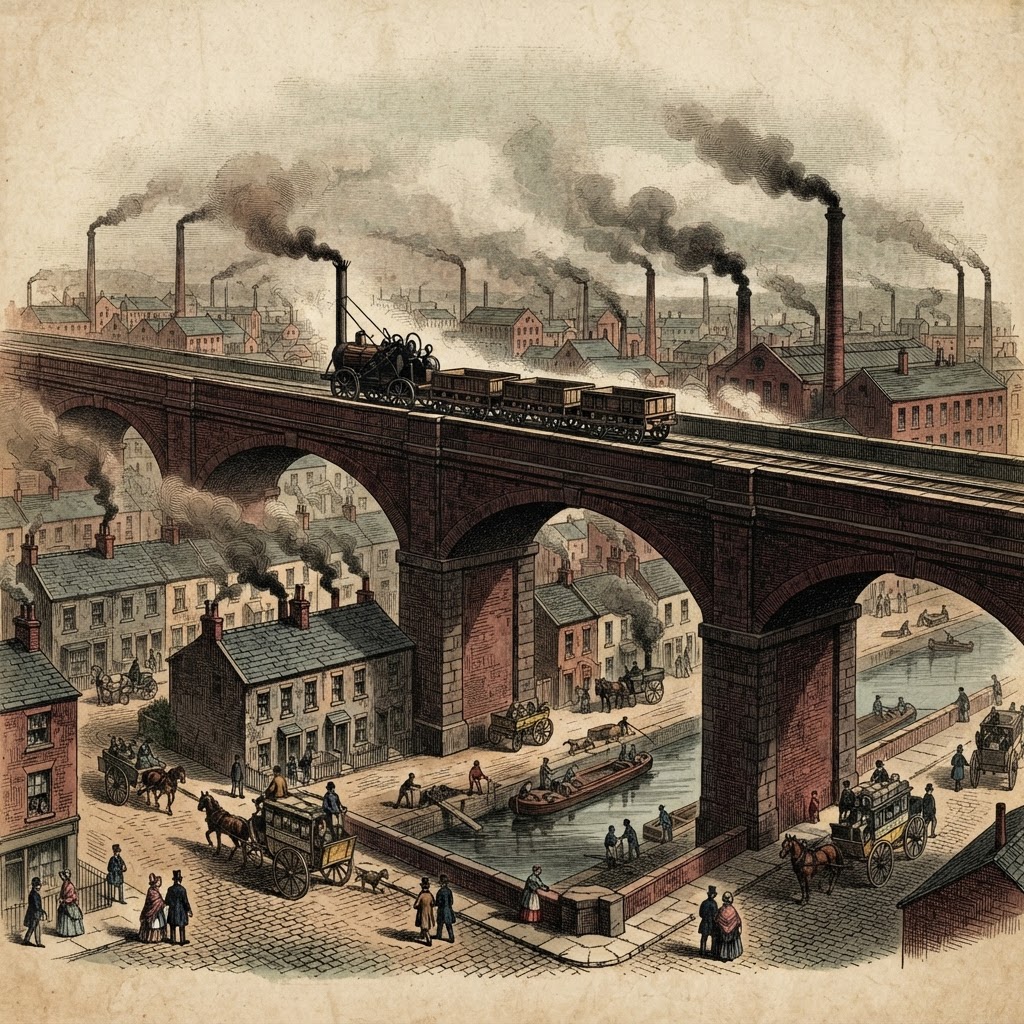
The Railway Mania 1845: the first tech bubble in industrial history
Between 1844 and 1847, England was gripped by Railway Mania: 272 parliamentary acts for new railways, shares that tripled and then crashed 80%. The first technology bubble in history.
The Great Depression of 1873: The forgotten crash that lasted 23 years
The Panic of 1873 began with the failure of the Jay Cooke & Company bank. It triggered a period of deflation and economic stagnation that lasted until 1896 — 23 years. It was known as the 'Great Depression' until 1929.
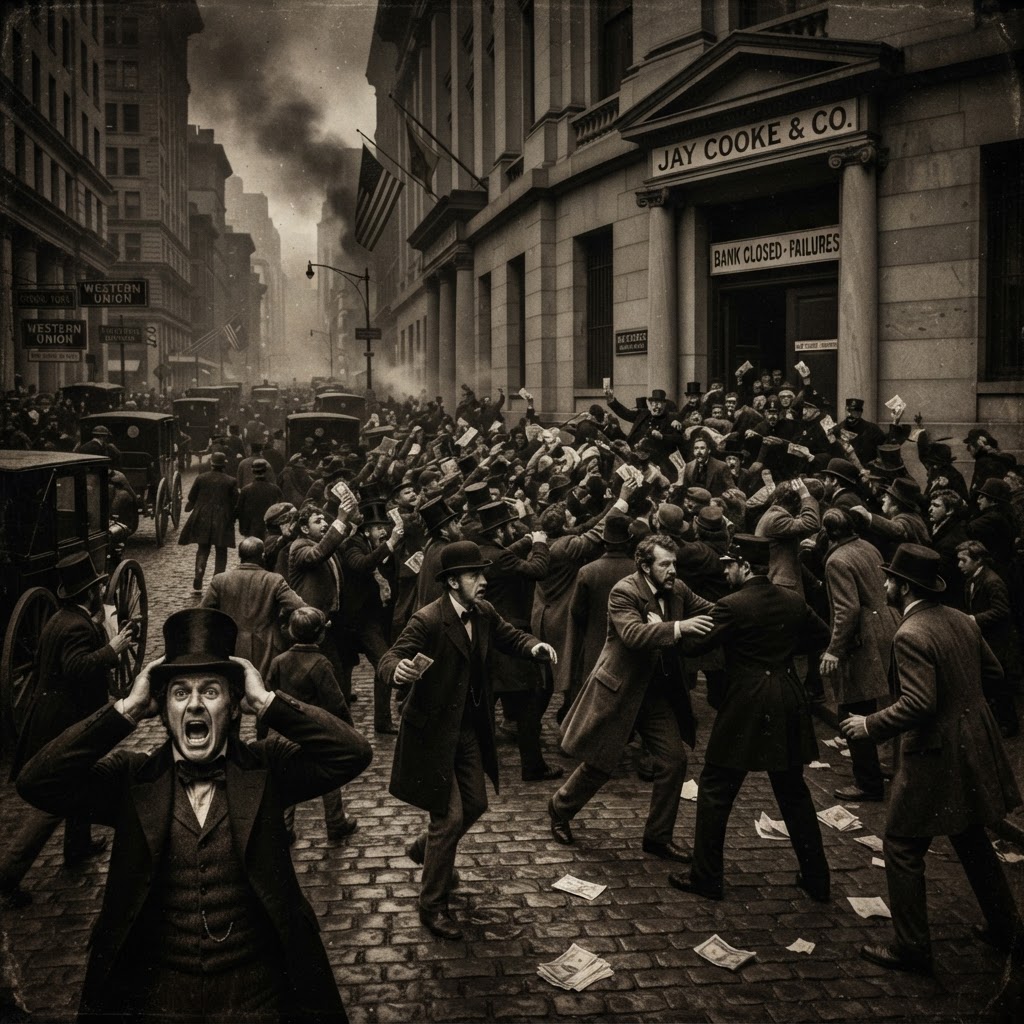
The Great Depression of 1873: the forgotten crash that lasted 23 years
The Panic of 1873 began with the failure of Jay Cooke & Company bank. It triggered deflation and economic stagnation that lasted until 1896 — 23 years. It was called the 'Great Depression' until 1929.
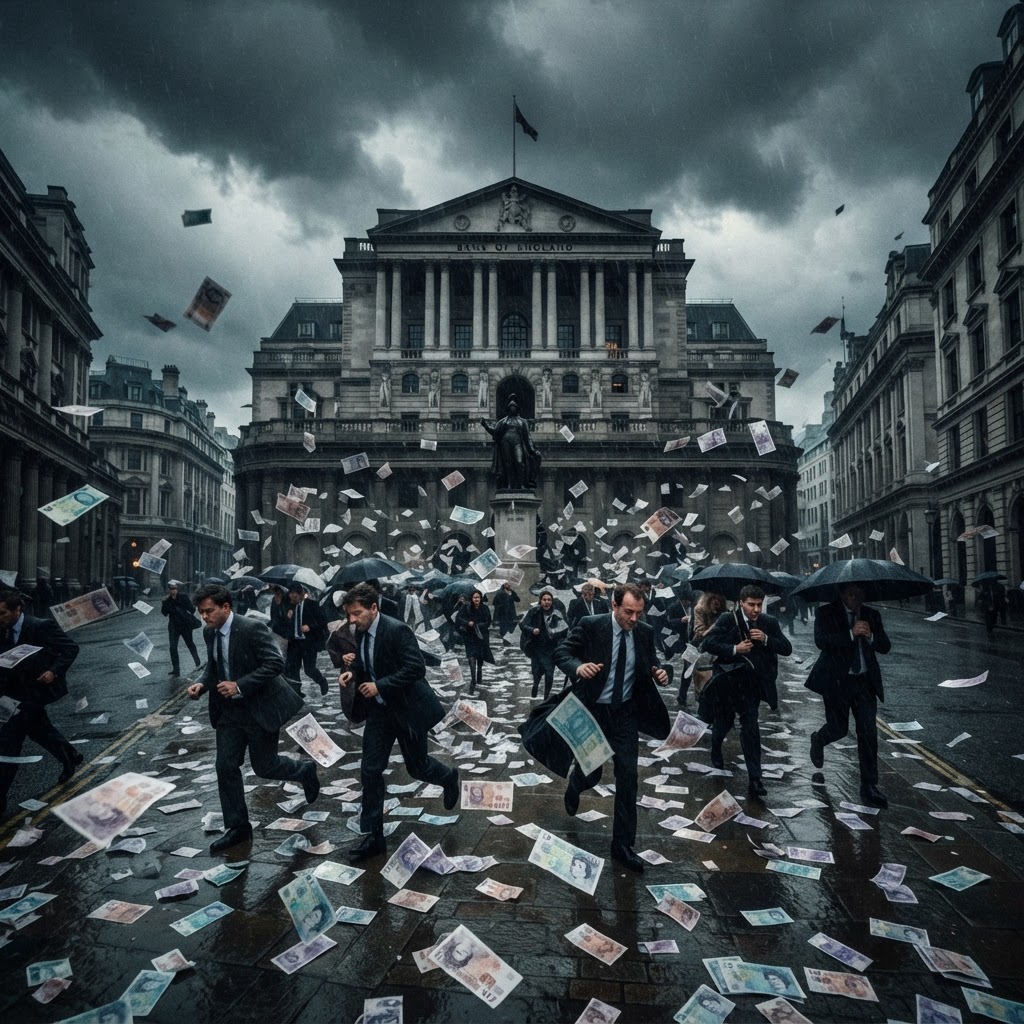
Soros vs. the Bank of England: the $1 billion trade in a single day
On September 16, 1992, George Soros bet over $10 billion against the British pound. In less than 24 hours, the UK was forced to exit the European Exchange Rate Mechanism. Soros made about $1 billion.
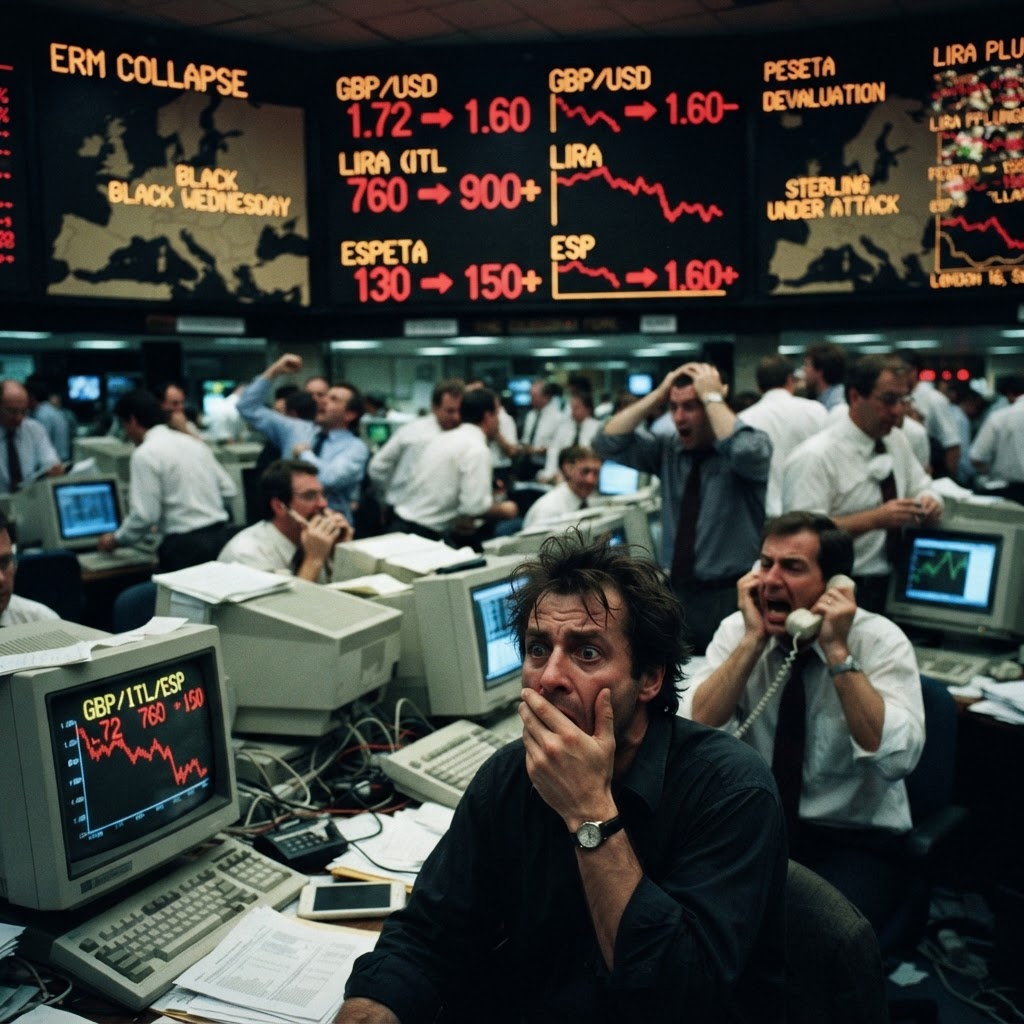
Black Wednesday 1992: not just the pound — the entire ERM mechanism in crisis
On September 16, 1992, while Soros attacked the pound, the Italian lira and Spanish peseta were also under pressure. The entire architecture of the European Monetary System was giving way.

The 2008 Crisis: how subprime mortgages brought down the world
In 2008, the global financial system was brought to the brink of collapse by incomprehensible financial products based on uncollectible mortgages. Lehman Brothers failed, markets crashed 50%.
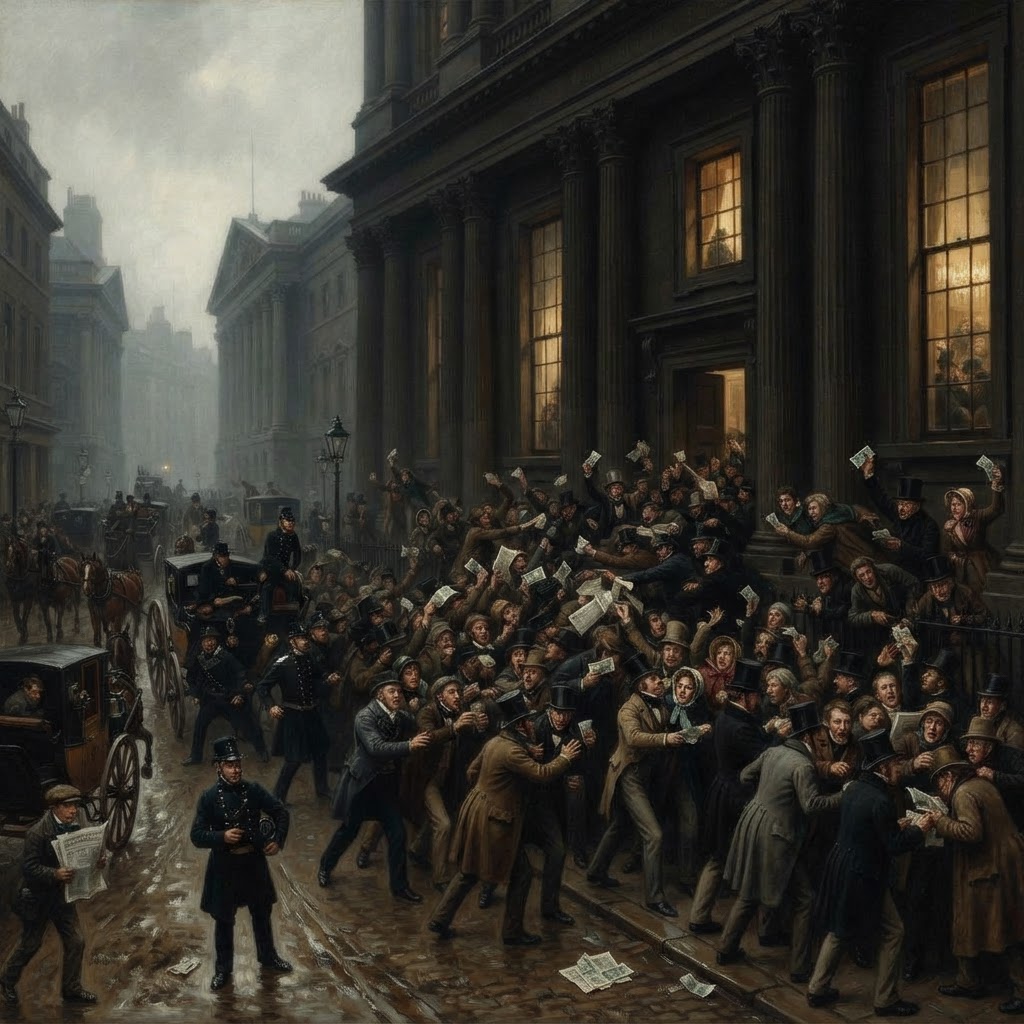
The Panic of 1825: the first modern global financial crisis
In 1825, a speculative crisis on bonds of new Latin American states (Mexico, Colombia, Peru) caused 6 English banks to fail and spread panic worldwide. The first global financial crisis.
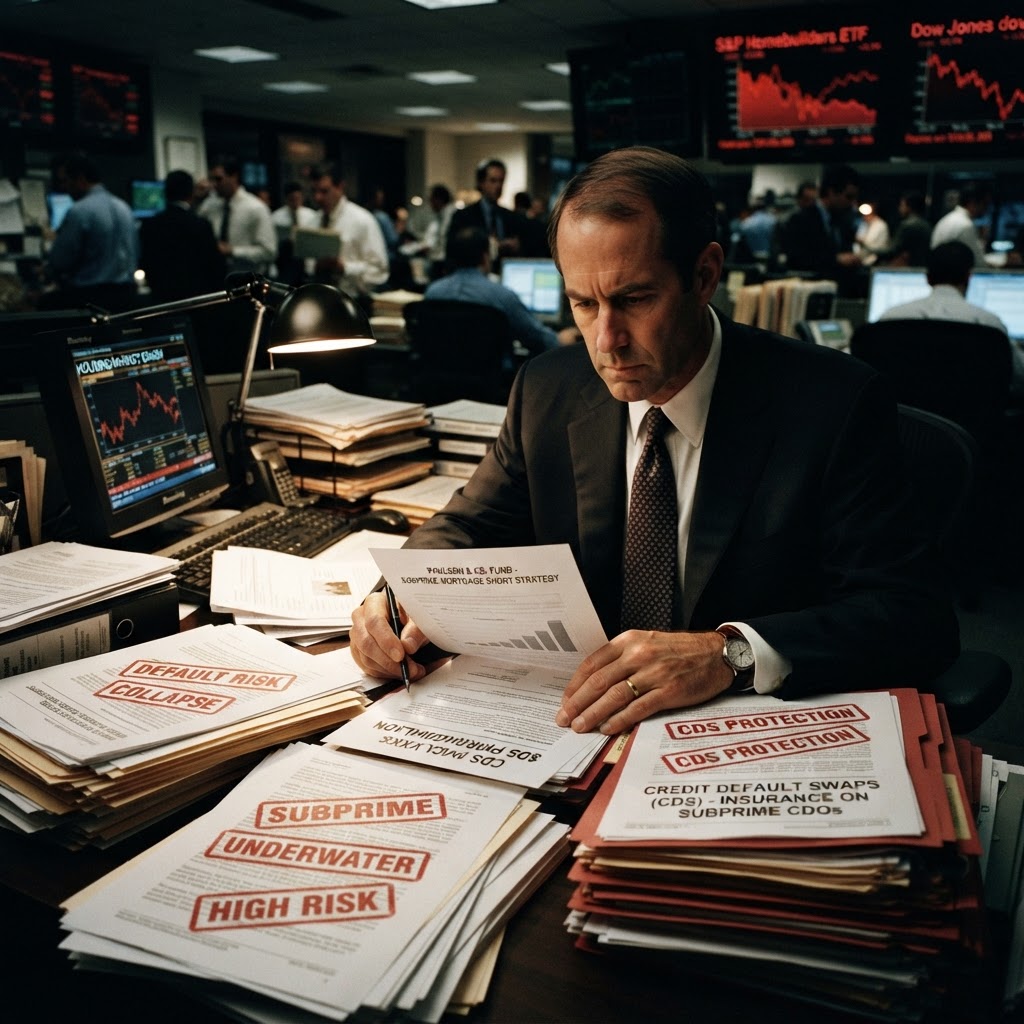
John Paulson: the $15 billion trade against subprime mortgages
In 2007, John Paulson personally made $15 billion shorting CDOs based on subprime mortgages. It was the single most profitable trade in financial history.

The British Canal Mania 1793: the first industrial bubble in history
Between 1791 and 1797, England was gripped by 'canal mania': hundreds of canal companies were created, shares exploded and then crashed. The first boom-bust of the industrial era.

Michael Burry: the doctor with a glass eye who saw the 2008 crisis coming
Michael Burry founded Scion Capital and, by analyzing thousands of mortgage documents, understood years before anyone else that the US housing market was about to crash. His fund gained 489% in 2007.

The English Monetary Reform 1696: Isaac Newton at the Royal Mint
In 1696, the pound was in crisis: silver coins had been clipped and counterfeited to the point of losing 50% of their value. Newton led a radical monetary reform that saved the British economy.
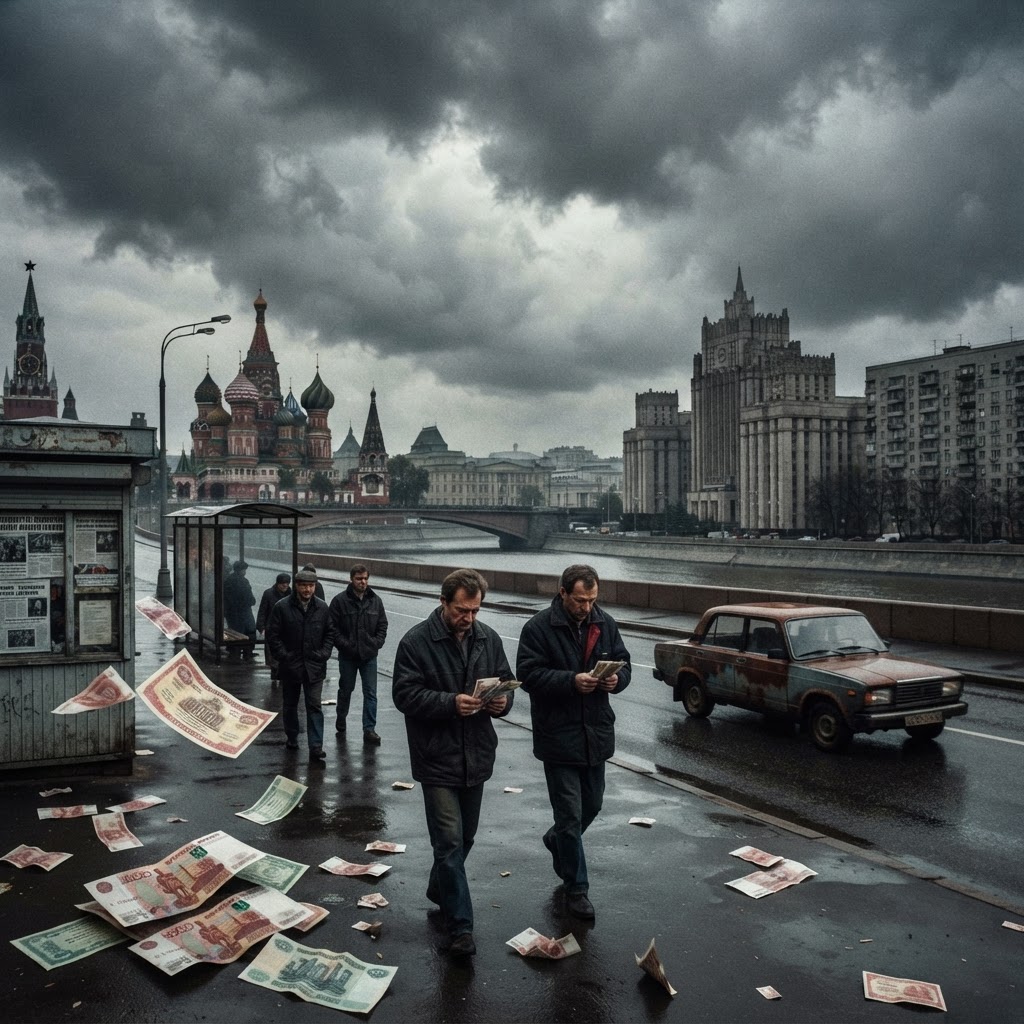
The 1998 Russian Default: when a G8 country didn't pay its debts
On August 17, 1998, Russia declared a moratorium on domestic debt and devalued the ruble. It was the most spectacular default in modern history — a G8 country not paying its creditors.
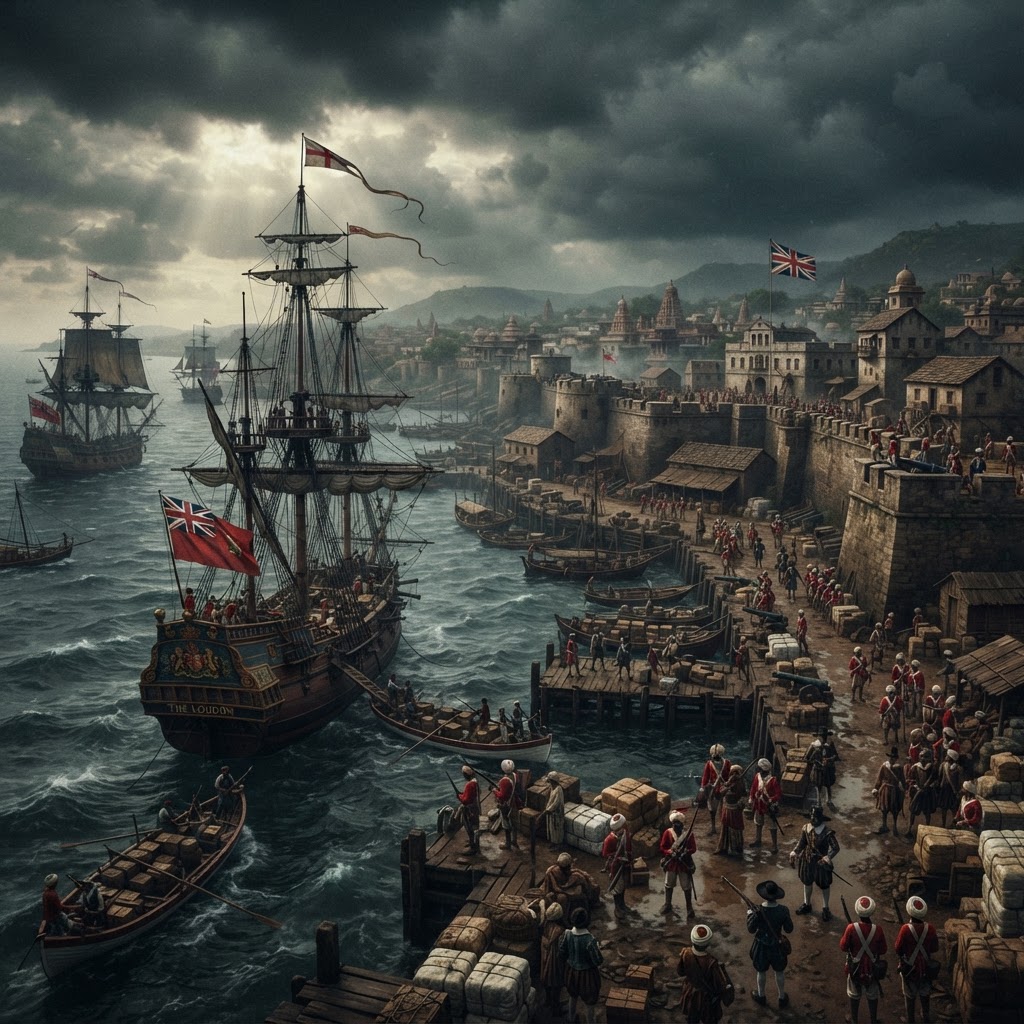
The East India Company 1600: the first corporation with a private army
Founded in 1600 by Elizabeth I, the East India Company became the most powerful corporation in history: it had an army of 260,000 soldiers, controlled India, and dominated Asian trade for 250 years.
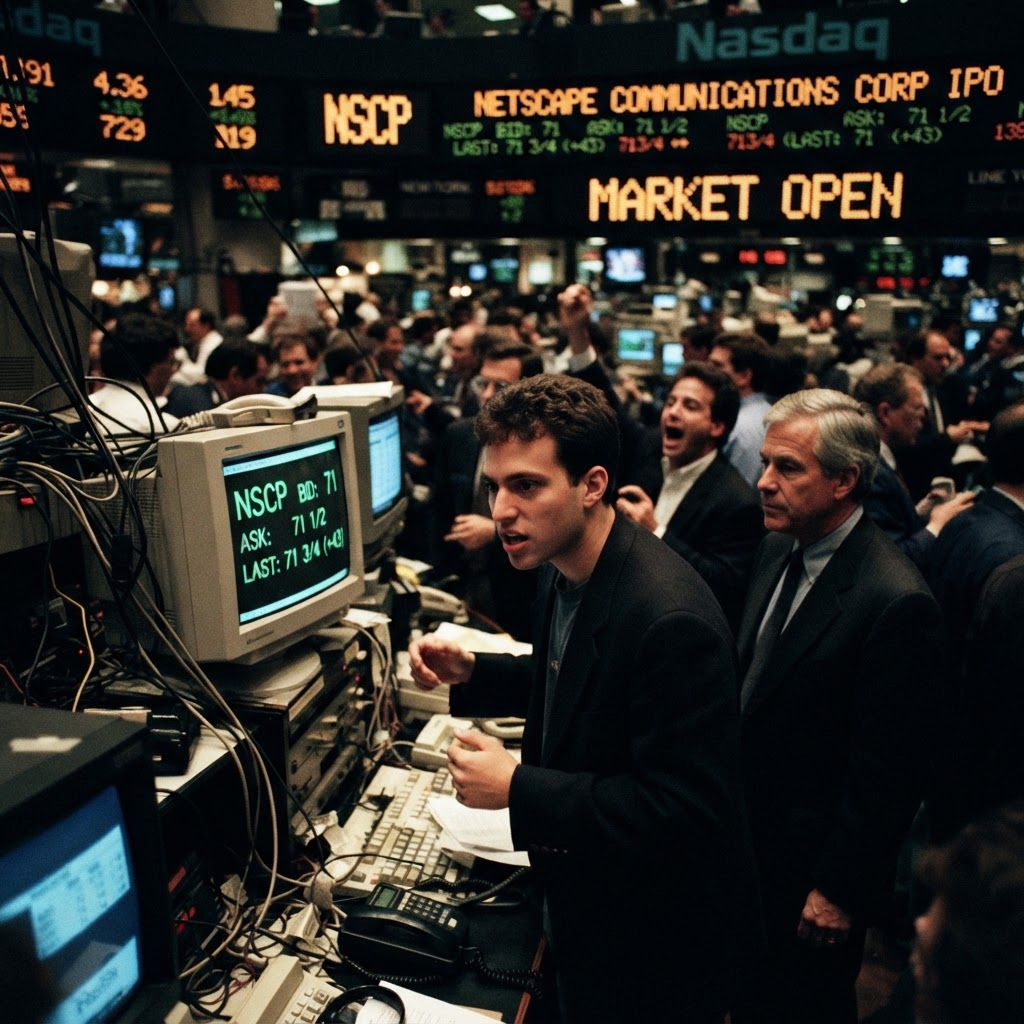
The Netscape IPO 1995: the Big Bang of the dot-com bubble
On August 9, 1995, Netscape went public at $28 per share. The stock opened at $71 and closed at $58. In one day, a 16-month-old startup was worth $2.9 billion. The official starting point of the dot-com bubble.

The Yen Carry Trade: the August 2024 crash that surprised everyone
In August 2024, the Bank of Japan unexpectedly raised rates. The yen carry trade, estimated at hundreds of billions of dollars, began to unwind causing violent crashes across all global markets.
The Gulf War and Oil 1990: How Geopolitics Moves Markets in Hours
On August 2, 1990, Saddam Hussein's Iraq invaded Kuwait. The price of oil doubled in weeks. Global stock markets plummeted. A perfect case study on the geopolitical impact on markets.

The Gulf War and Oil in 1990: how geopolitics moves markets in hours
On August 2, 1990, Saddam Hussein's Iraq invaded Kuwait. The price of oil doubled in weeks. Global stock markets crashed. A perfect case study on the geopolitical impact on markets.
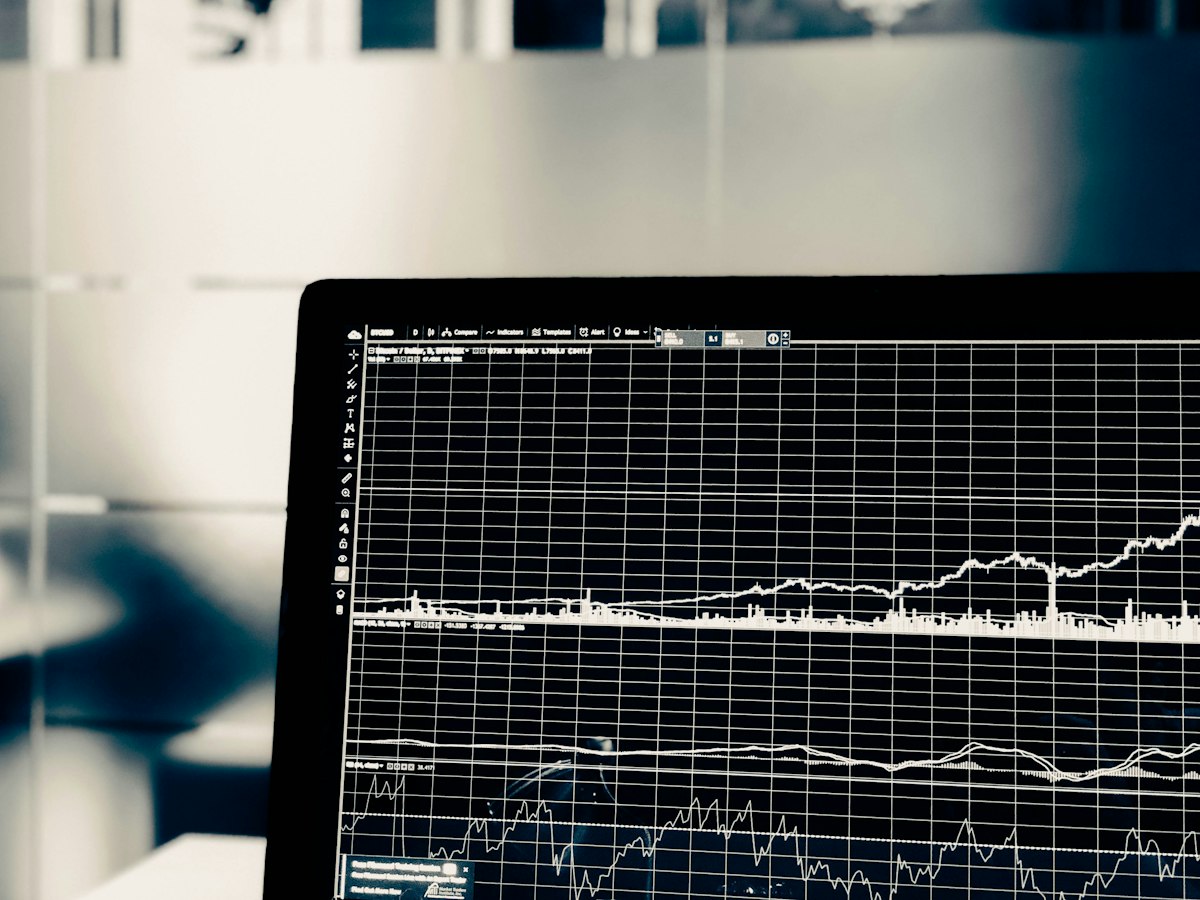
Knight Capital: $440 million lost in 45 minutes due to a code bug
On August 1, 2012, Knight Capital Group lost $440 million in 45 minutes due to an old algorithm that was accidentally reactivated. The company was forced to seek a buyer within days.

LTCM: when Nobel laureates nearly destroyed the global financial system
Long-Term Capital Management was run by the brightest minds in finance, including two Nobel laureates. In 1998, a $1.25 trillion exposure with only $4 billion in equity nearly caused the collapse of the entire global financial system.

Knight Capital: $440 million lost in 45 minutes due to a code bug
On August 1, 2012, Knight Capital Group lost $440 million in 45 minutes due to an old algorithm accidentally reactivated. The company was forced to find a buyer in a few days.

The Amsterdam Stock Exchange 1611: the world's first modern stock exchange
The 1611 Amsterdam Stock Exchange was the first modern stock market. In its first decades it invented futures, options, short selling — and also experienced the first documented market manipulations.

The Mississippi Scheme 1720: John Law and the first central bank in history
John Law convinced the French Regency to abandon gold and use paper banknotes. In 1720, his system collapsed, wiping out the savings of thousands of French citizens and delaying French banking development by 100 years.
Venezuela and Hyperinflation: When Currency Loses All Meaning
Between 2016 and 2019, Venezuela recorded inflation of over 1,000,000%. Prices doubled every few days. The national currency became worthless.

Venezuela and Hyperinflation: when money loses all meaning
Between 2016 and 2019, Venezuela recorded inflation of over 1,000,000%. Prices doubled every few days. The national currency became worthless. An extreme case of catastrophic monetary management.

The South Sea Bubble 1720: the greatest British financial scandal of the 18th century
In 1720, South Sea Company shares rose 1000% in a few months before crashing. Isaac Newton lost £20,000. The British Parliament was overwhelmed by a corruption scandal.

Ray Dalio and the All Weather Portfolio: the strategy to survive any market
Ray Dalio developed the 'All Weather Portfolio' concept after realizing that no one can consistently predict the macroeconomic future. The portfolio is optimized for survival, not maximization.

The VOC 1602: the invention of publicly traded shares
In 1602, the VOC (Vereenigde Oost-Indische Compagnie) issued the first shares in history traded on a public exchange in Amsterdam. It invented modern joint-stock capitalism.
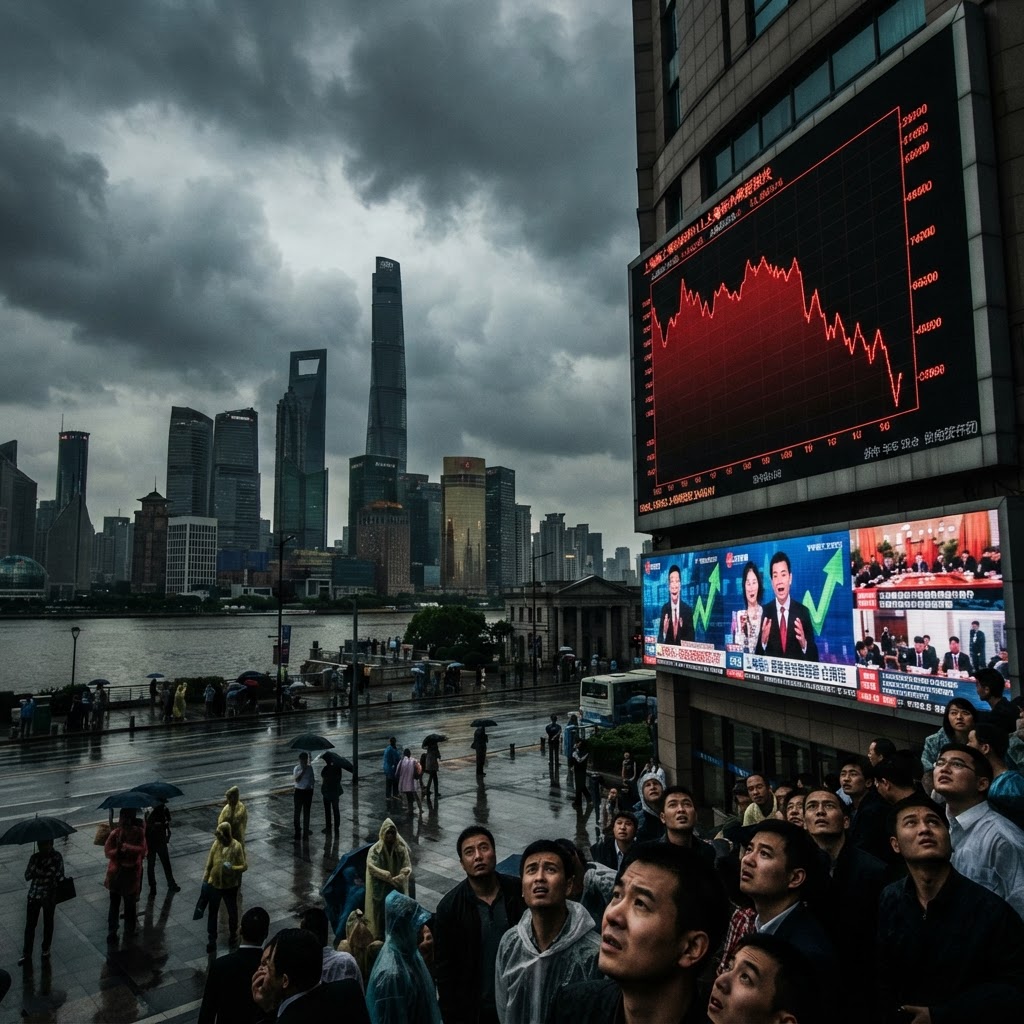
The 2015 Chinese Stock Market Crash: The State-Inflated Bubble and Its State-Driven Burst
Between June and July 2015, the Chinese stock market lost 30% of its value in three weeks. The government spent over $200 billion to stop the collapse. It did not work. A unique case study of state interventionism in the stock market.
The 2015 Chinese Stock Market Crash: the state-inflated and state-burst bubble
Between June and July 2015, the Chinese stock market lost 30% in 3 weeks. The government spent over $200 billion to stop the crash. It didn't work. A unique case study of state interventionism in the stock market.
The 2012 LIBOR Scandal: How banks manipulated the world's most important interest rate
In 2012, it emerged that Barclays, UBS, Deutsche Bank, and other major banks had manipulated LIBOR for years—the rate used as a reference for hundreds of trillions of dollars in financial instruments.

The 2012 Libor Scandal: how banks manipulated the world's most important interest rate
In 2012, it emerged that Barclays, UBS, Deutsche Bank, and other major banks had manipulated LIBOR — the interbank rate used as a reference for $350 trillion in financial instruments — for years.
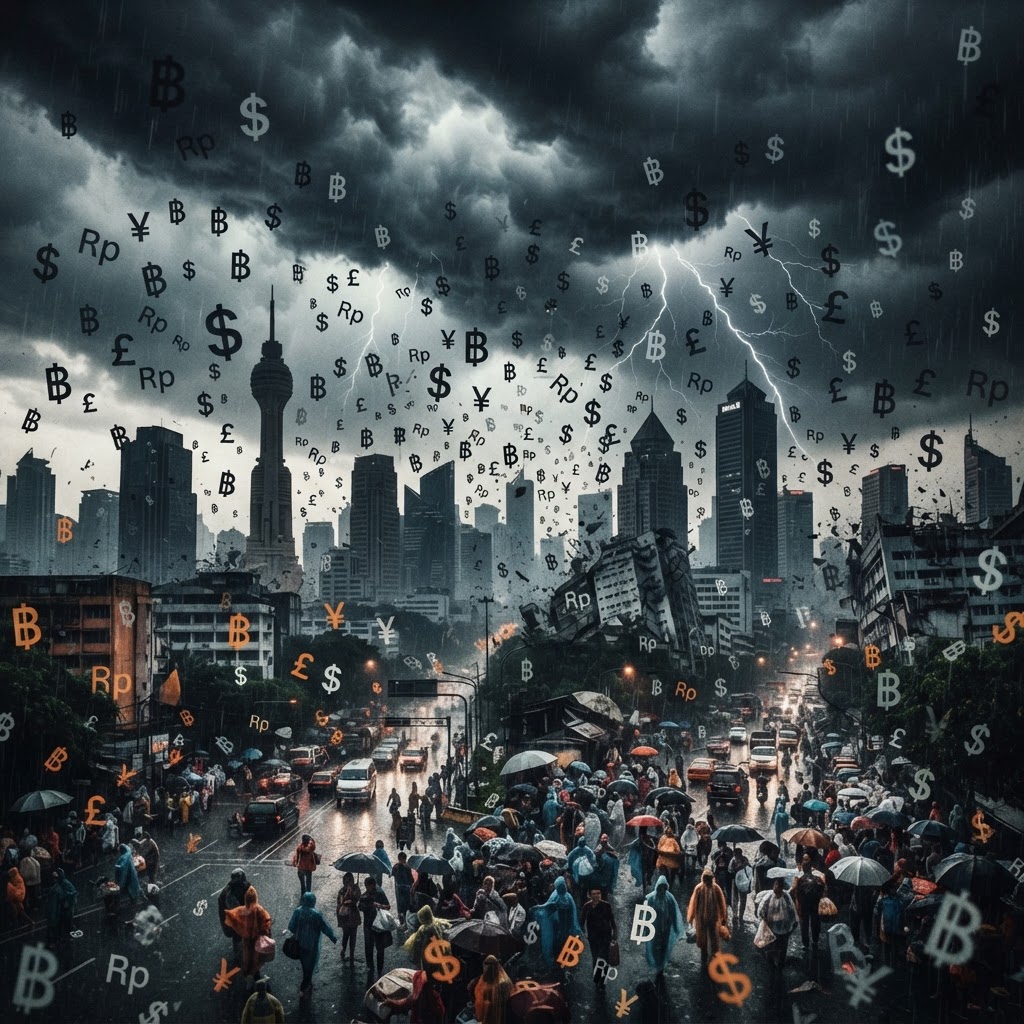
The 1997 Asian Crisis: the contagion that brought down the Asian tigers
In 1997, the currencies of Thailand, Indonesia, South Korea, and Malaysia collapsed in sequence. Asian GDP contracted 10-15%. Millions of people slipped into poverty.

American Gold and the Great Inflation of 1550: when too much gold hurts
Between 1500 and 1650, the arrival of 17,000 tons of silver from the Americas caused 300-400% inflation in Europe. Jean Bodin first theorized the relationship between money and prices.

Vasco da Gama and the Spice Monopoly 1498: the greatest commercial disruption of the Middle Ages
In 1498, Vasco da Gama reached India by circumnavigating Africa. He eliminated the Venetian spice monopoly, crashed Venice, and created the Portuguese commercial empire.

Wirecard: the DAX company that didn't exist — Europe's largest accounting scandal
Wirecard was one of Europe's most celebrated fintech companies. In 2020, it was revealed that €1.9 billion in liquidity 'in the Philippines' simply didn't exist. The company failed in days.

NVIDIA and the 2023-2024 AI Bubble: The World's Most Important Chip
Between January 2023 and June 2024, NVIDIA rose by 900%. Demand for H100 AI GPUs was so high that waitlists lasted months. A case study on identifying the picks-and-shovels of AI.

NVIDIA and the 2023-2024 AI Bubble: the most important chip in the world
Between January 2023 and June 2024, NVIDIA rose 900%. Demand for H100 GPUs for AI was so high that waitlists lasted months. A case study on identifying the picks-and-shovels of AI.

Jakob Fugger 1500: the richest man in history and the financier of emperors
Jakob Fugger (1459-1525) financed war, empire, and the Church. With a fortune equivalent to $400 billion today, he was probably the richest man in history.
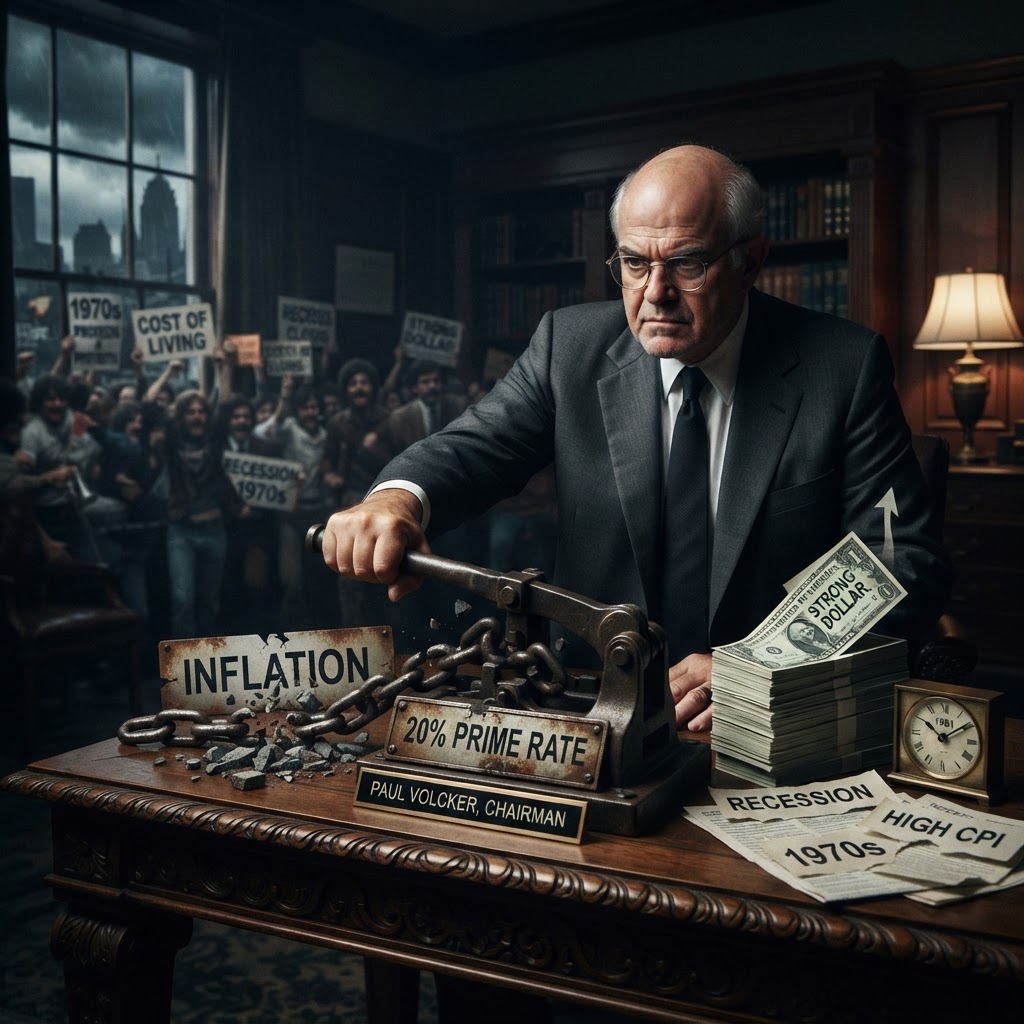
The Volcker Shock: how the Fed destroyed the economy to save the dollar
Between 1979 and 1981, Paul Volcker brought US rates to 20%. Unemployment rose to 10.8%. Markets crashed. But inflation, which was at 13.5%, was definitively defeated.

The Black Death 1348 and the First Great Medieval Recession
The Black Death (1347-1351) killed between 30% and 60% of Europe's population. The demographic collapse disrupted labor markets, goods prices, and medieval economic power relations.
Amazon from $18 to $3,000: the trade almost no one held
Amazon went from $18 in 1997 to over $3,000 in 2021. Anyone who invested $10,000 in the IPO would have $16 million today. But along the way, the stock lost 95% twice.

The Medici Bank 1397: how a family of bankers became the most powerful in Europe
Founded in 1397 by Giovanni di Bicci de' Medici, the Medici Bank became in 50 years the largest and most powerful in Europe. It financed popes, kings, and the entire Florentine Renaissance.

The London Whale: the $6 billion bet that embarrassed JP Morgan
In 2012, Bruno Iksil — nicknamed 'London Whale' — had accumulated positions in credit derivatives so large they influenced market prices. JP Morgan lost $6.2 billion.
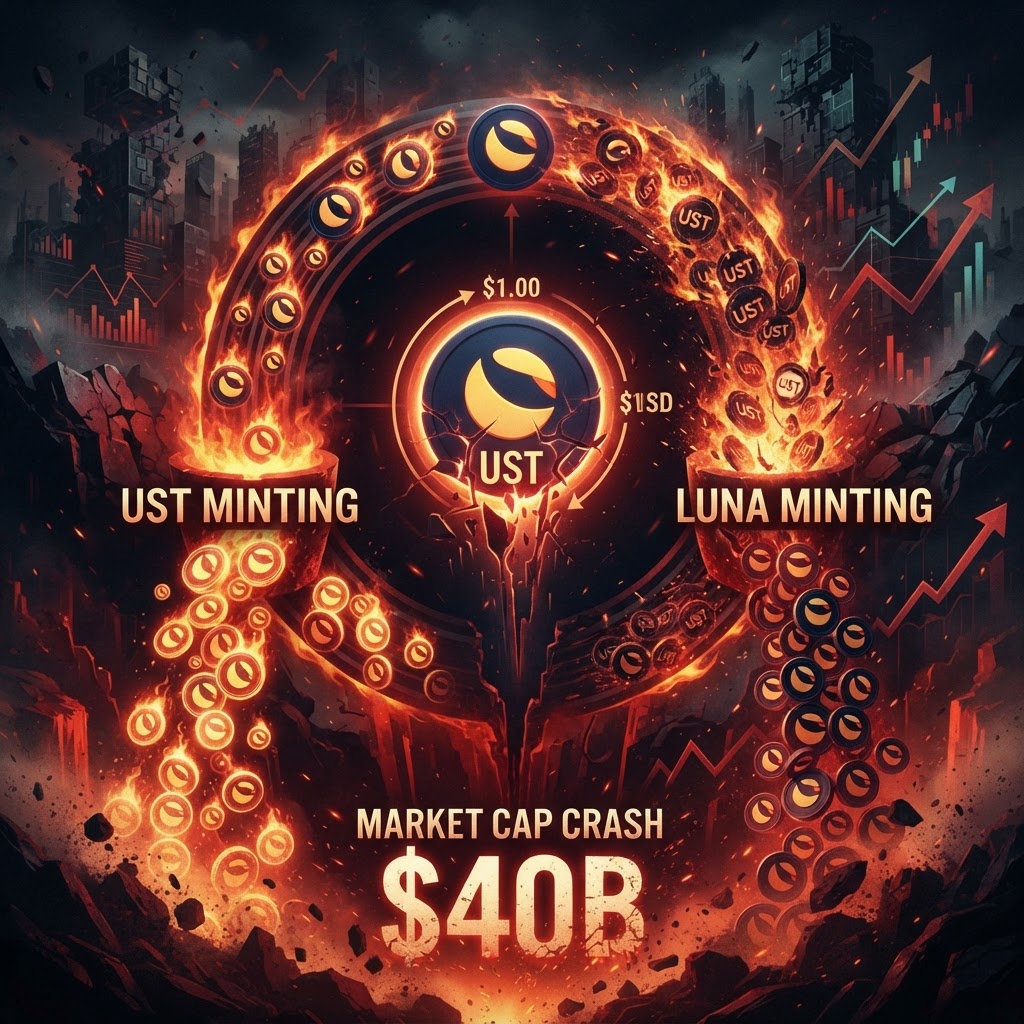
Terra/LUNA: $40 billion evaporated in a week — the stablecoin that wasn't stable
In May 2022, TerraUSD (UST) — an algorithmic stablecoin pegged to the dollar — lost its peg. In one week, Terra/LUNA lost 99.9% of its value, wiping out $40 billion in market cap.

The 2010 Flash Crash: $1 trillion evaporated in 36 minutes
On May 6, 2010, between 2:32 and 3:08 PM, the Dow Jones lost nearly 1,000 points (-9%) in minutes, then recovered almost everything. Some blue chip stocks temporarily traded at 1 cent.
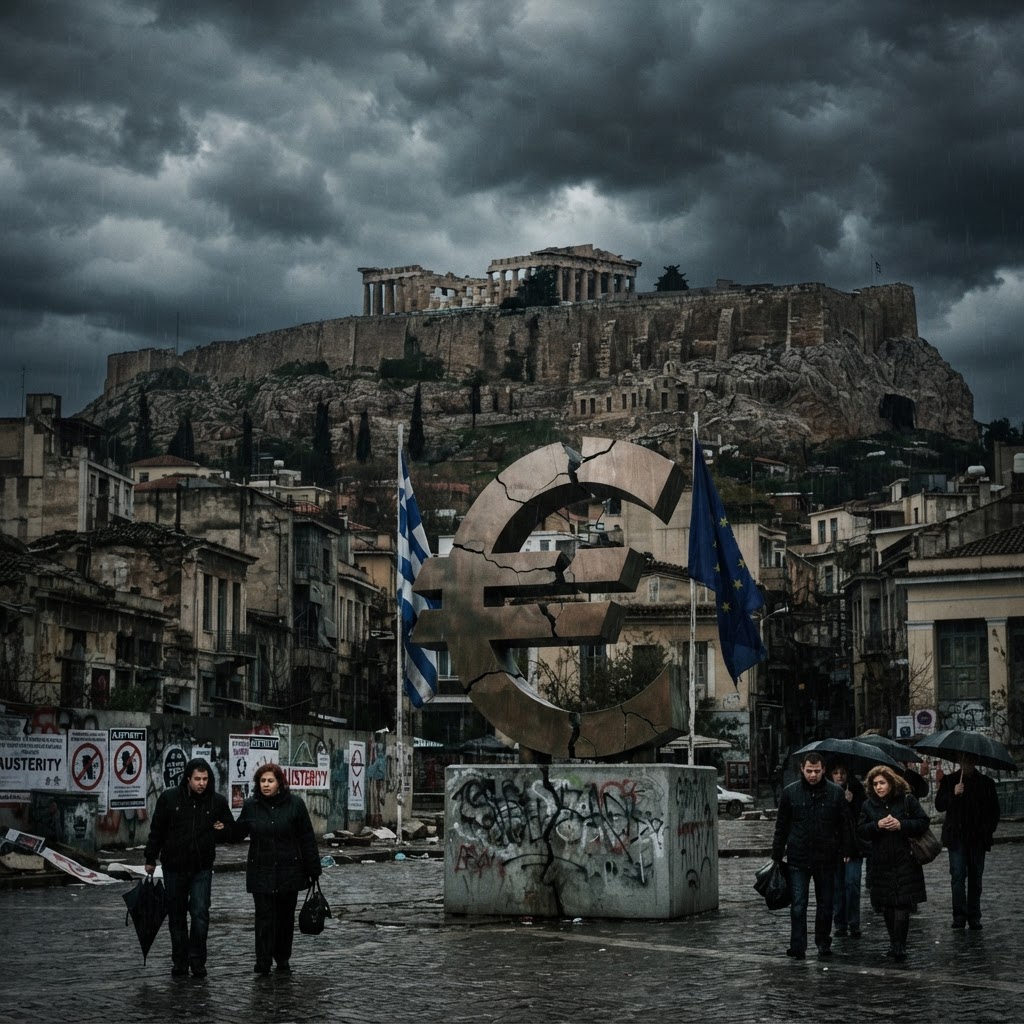
The Greek Debt Crisis: when a state nearly defaulted inside the Eurozone
Between 2010 and 2015, Greece was on the brink of sovereign default. The euro was questioned as a project. The country suffered the harshest austerity of any developed economy since the Great Depression.

The Failure of the Bardi and Peruzzi 1343: the first international banking crisis
In 1343-1346, the Florentine banks Bardi and Peruzzi — the largest in Europe — failed after Edward III of England didn't repay loans to finance the Hundred Years' War. First international banking crisis.

Nassim Taleb's Black Swan: the theory that reshaped risk management
Nassim Nicholas Taleb, former trader and mathematician, developed the Black Swan theory: the most important events in history are rare, unpredictable, and of enormous impact. A framework that reshaped risk management.

The day oil cost -$37: WTI in negative territory
On April 20, 2020, the May WTI futures contract fell to -$37.63 per barrel. Producers were paying to have their oil taken away. An event no model had ever contemplated.
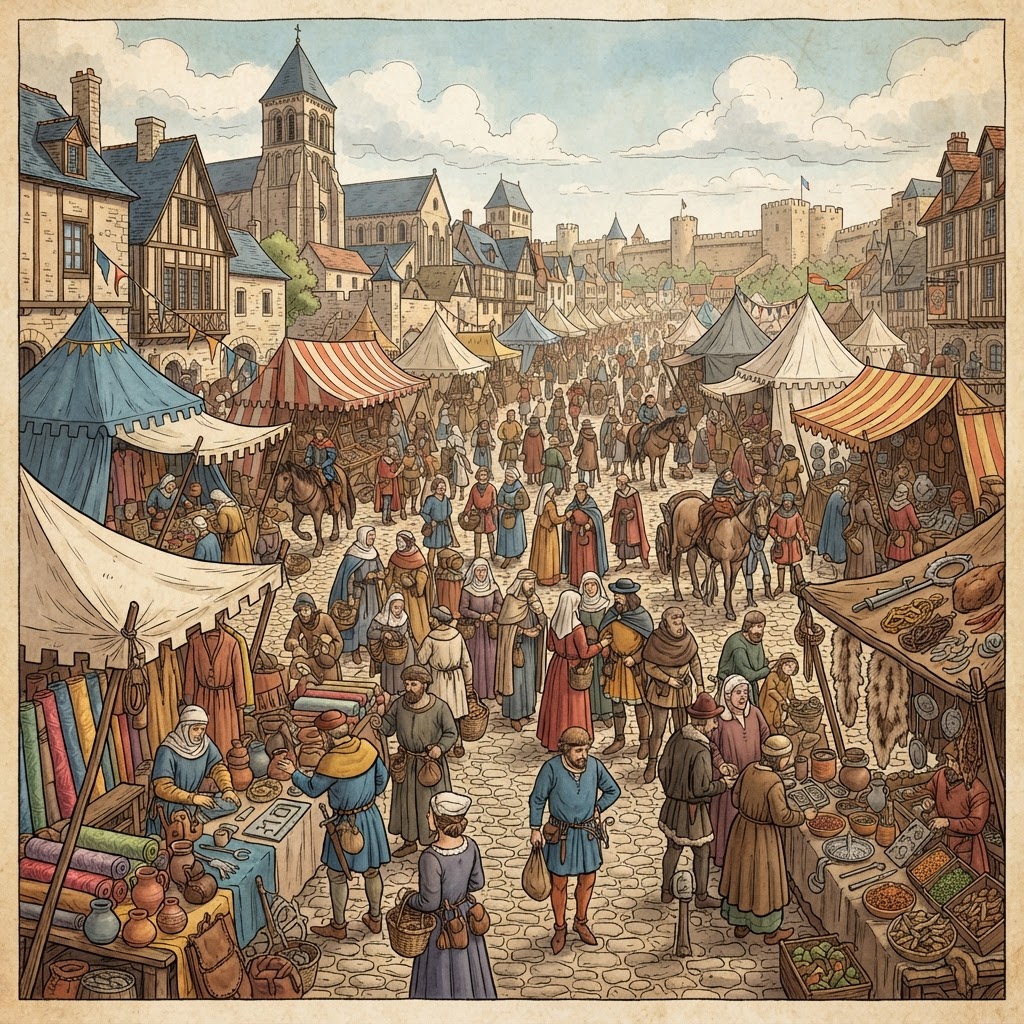
The Champagne Fairs 1100-1300: the first medieval stock exchange
From 1100 to 1300, the six annual Champagne fairs were the center of European trade. Merchants from all over Europe met there, creating the first medieval exchange and credit instruments.

The Coinbase IPO 2021: when crypto met Wall Street
On April 14, 2021, Coinbase listed on the NASDAQ with an $86 billion valuation. It was the symbol of crypto institutionalization — and the beginning of a path that would see the stock lose 90% in a year.

Renaissance Technologies and the Medallion Fund: Wall Street's Greatest Secret
From 1988 to 2018, Renaissance Technologies' Medallion Fund achieved a 66% annualized return before fees. No fund in history has ever replicated this performance.

Renaissance Technologies and the Medallion Fund: Wall Street's greatest secret
From 1988 to 2018, Renaissance Technologies' Medallion Fund achieved an annualized return of 66% gross of fees. No fund in history has ever replicated this result.

The Templar Bankers 1150: the inventors of international bank transfers
From 1150, the Templars ran a system of letters of credit that allowed pilgrims to deposit gold in France and withdraw it in the Holy Land. They were the first international bankers in history.

Toyota Production System: how the obsession with efficiency created the most copied industrial model in history
The Toyota Production System (TPS) is considered the most influential production model of the 20th century. It inspired Lean Manufacturing, Six Sigma, and — surprisingly — many systematic trading strategies.
Carnival Corporation 2020: issuing bonds at record yields in the midst of COVID
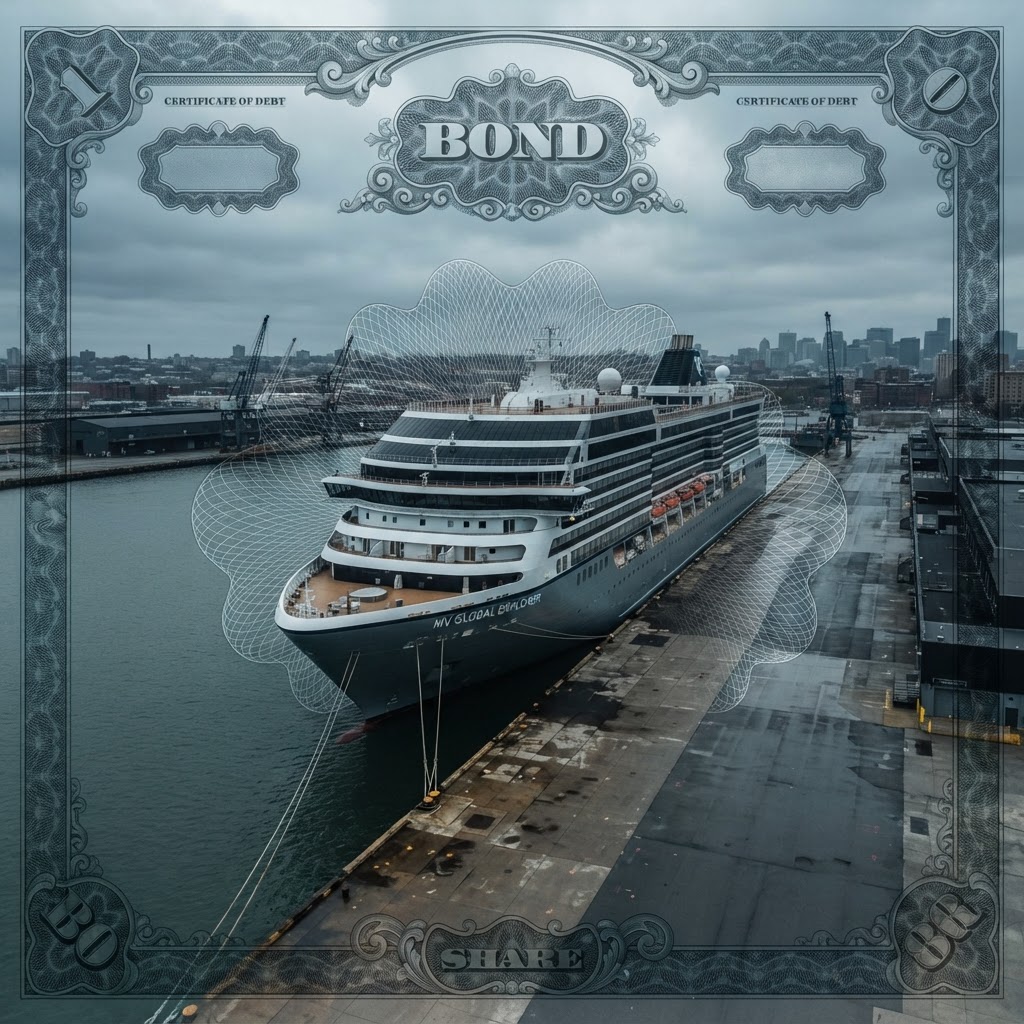
In April 2020, with ships stuck in ports and no revenue, Carnival Corporation issued 5-year bonds at 11.5% yield and raised $4 billion in hours. A case study on how markets price extreme risk.
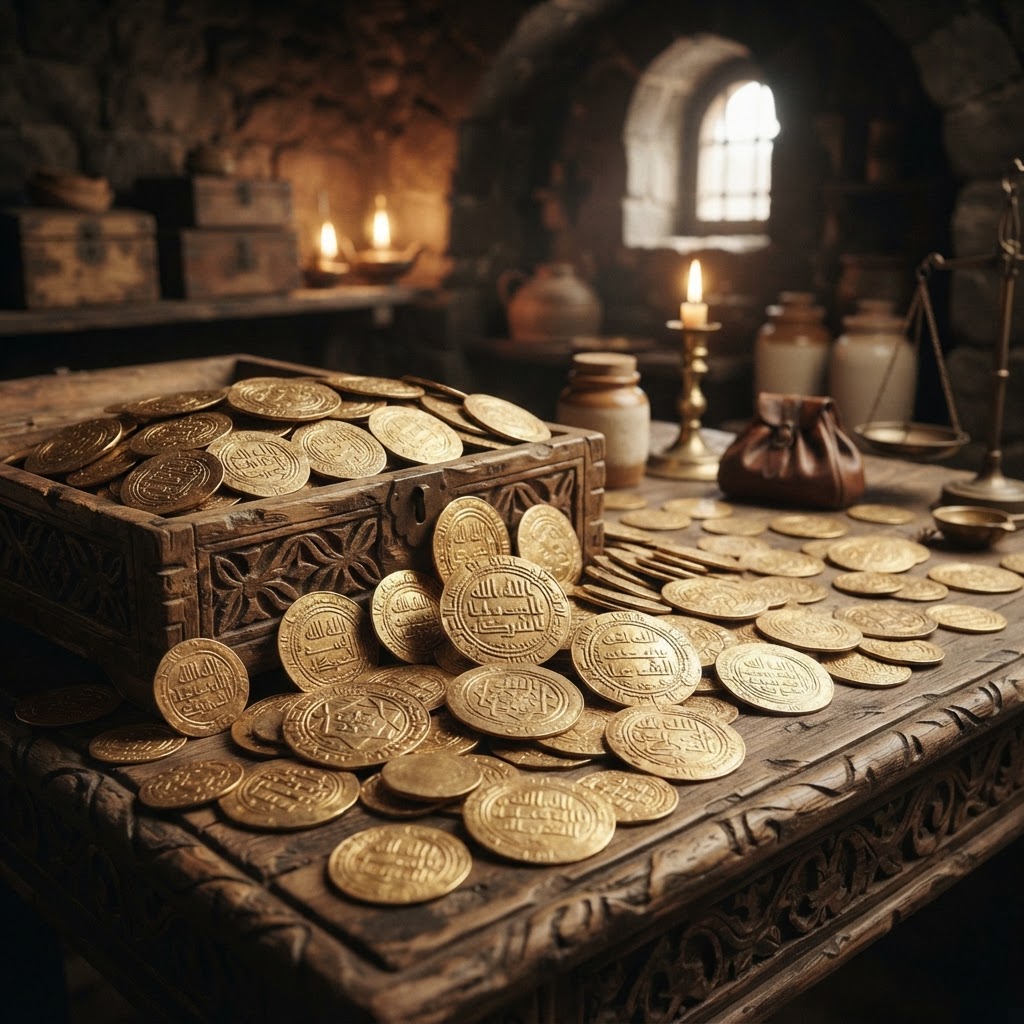
The Gold Dinar of the Caliphate 700 AD: the first Islamic reserve currency
In 696-697 AD, the Umayyad caliphate introduced the standardized gold dinar. It became the reserve currency of the Islamic world and Mediterranean trade for 500 years.
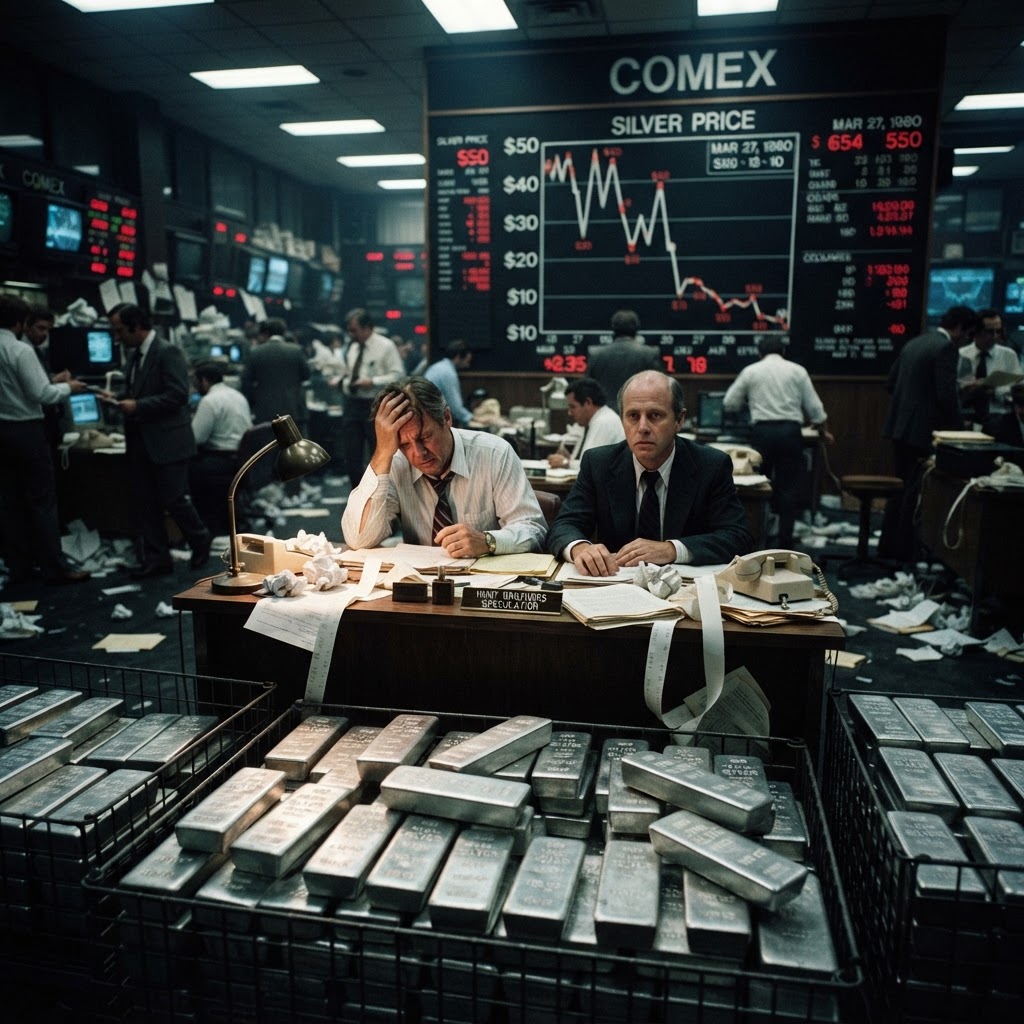
Silver Thursday: how the Hunt brothers tried to corner the silver market and failed
Between 1979 and 1980, Nelson and William Hunt accumulated positions of 100 million ounces of silver, driving the price from $6 to $50. Then the rules changed and everything collapsed.

Archegos Capital: the family office that blew up 5 banks in an afternoon
In March 2021, Archegos Capital — Bill Hwang's family office — was hit by a margin call. In a few days, counterparty banks liquidated positions worth tens of billions, causing 30-50% crashes in some stocks.
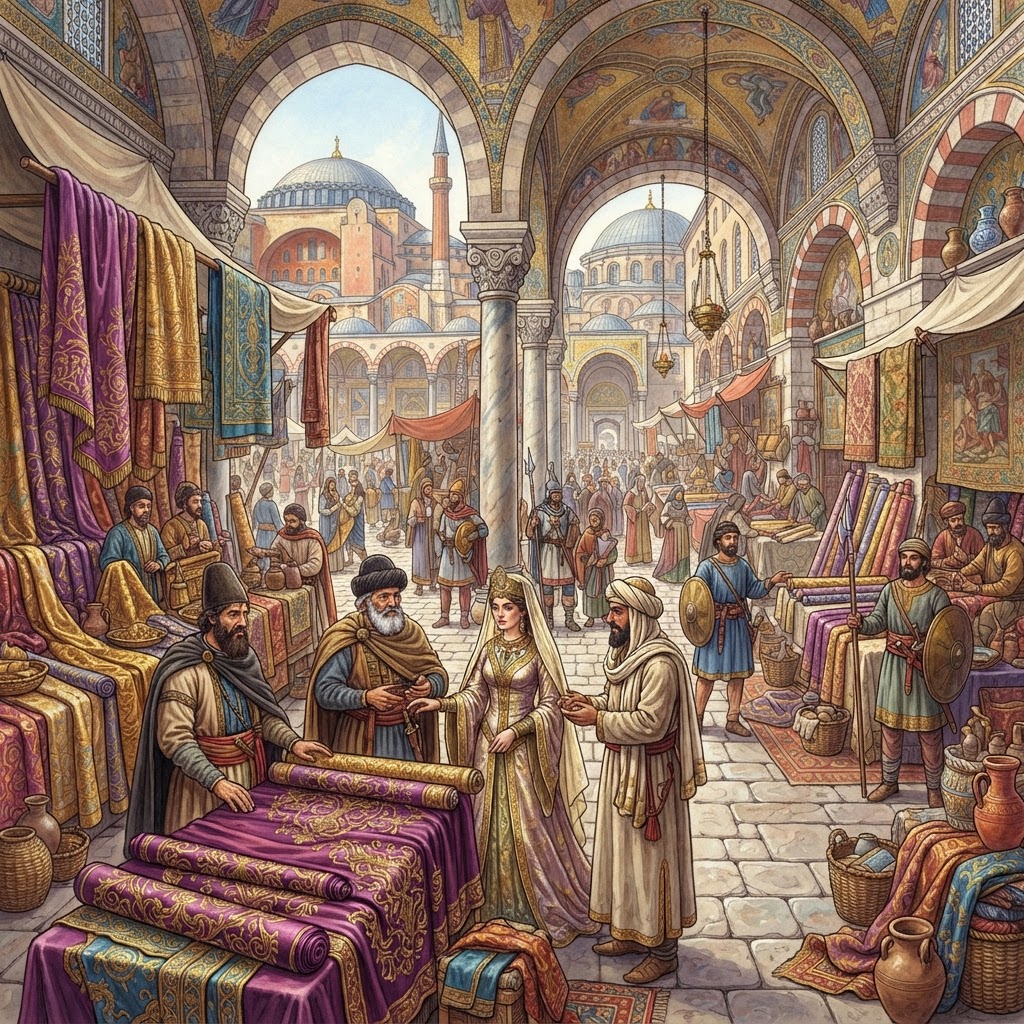
The Byzantine Silk Monopoly 550 AD: the first cartel in history
In 550 AD, Justinian I nationalized the silk trade in the Byzantine Empire. The imperial monopoly controlled prices, production, and distribution for centuries. The first documented cartel.

Japan 2024: The end of negative rates and the return to monetary normality
In March 2024, the Bank of Japan raised rates for the first time since 2007, abandoning its negative interest rate policy. A historic moment with massive global implications through the carry trade.
Credit Suisse and the Acquisition by UBS: The End of 167 Years of Swiss Banking History
On March 19, 2023, Credit Suisse was acquired by UBS for 3 billion Swiss francs in an emergency operation. 167 years of banking history ended in 72 hours.

Credit Suisse and the UBS Acquisition: the end of 167 years of Swiss banking history
On March 19, 2023, Credit Suisse was acquired by UBS for 3 billion Swiss francs in an emergency operation orchestrated by the Swiss government. 167 years of banking history ended in 72 hours.

Japan 2024: the end of negative rates and the return to monetary normality
In March 2024, the Bank of Japan raised rates for the first time since 2007, abandoning the negative rate policy. It was a historic moment with enormous global implications through the carry trade.
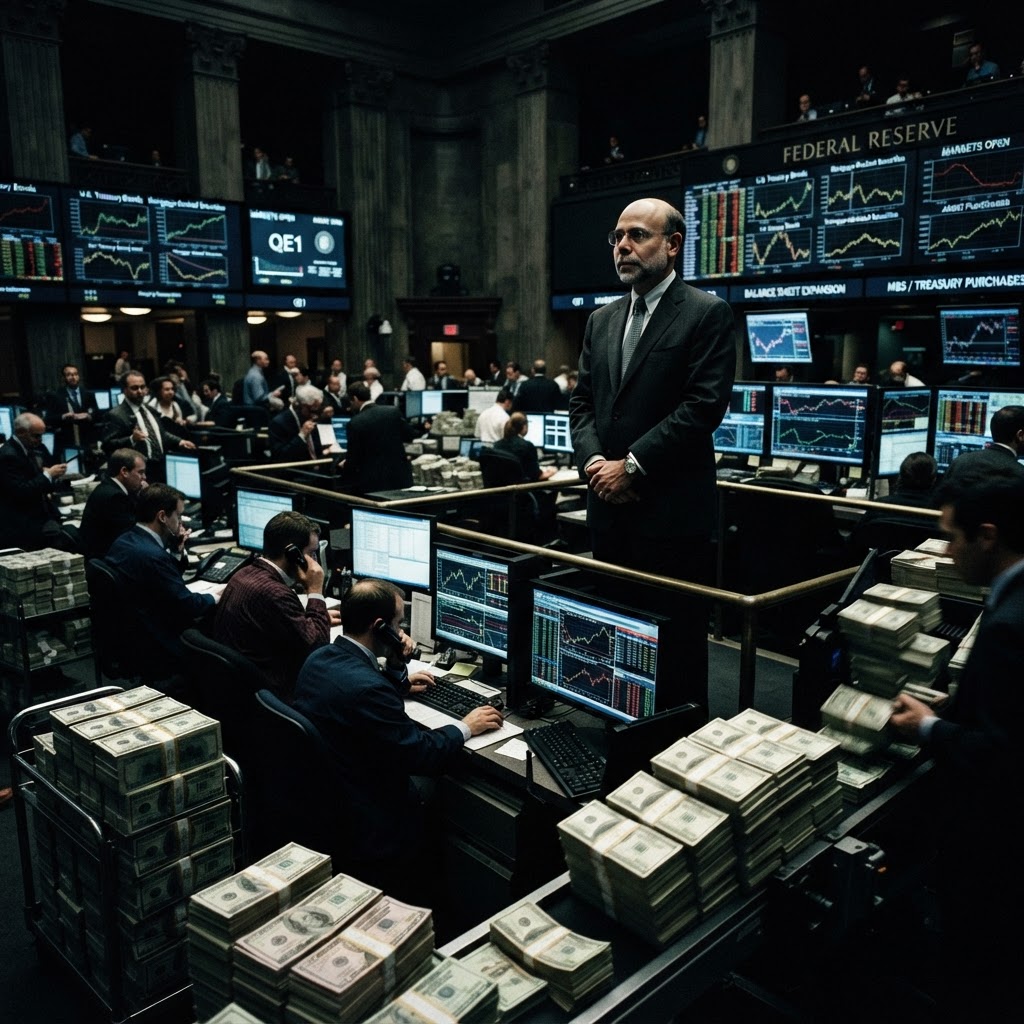
Quantitative Easing 2009: the monetary experiment that had never been done before
In March 2009, the Fed launched the first Quantitative Easing program in American history: purchasing $1.75 trillion in financial assets. It was the beginning of an era of unconventional monetary policy that reshaped markets.

Bear Stearns: the first domino of the 2008 crisis
In March 2008, Bear Stearns — 85 years of history, the 5th-largest US investment bank — was sold to JP Morgan for $2 a share (later renegotiated to $10) after a liquidity crisis made it insolvent in less than 72 hours.
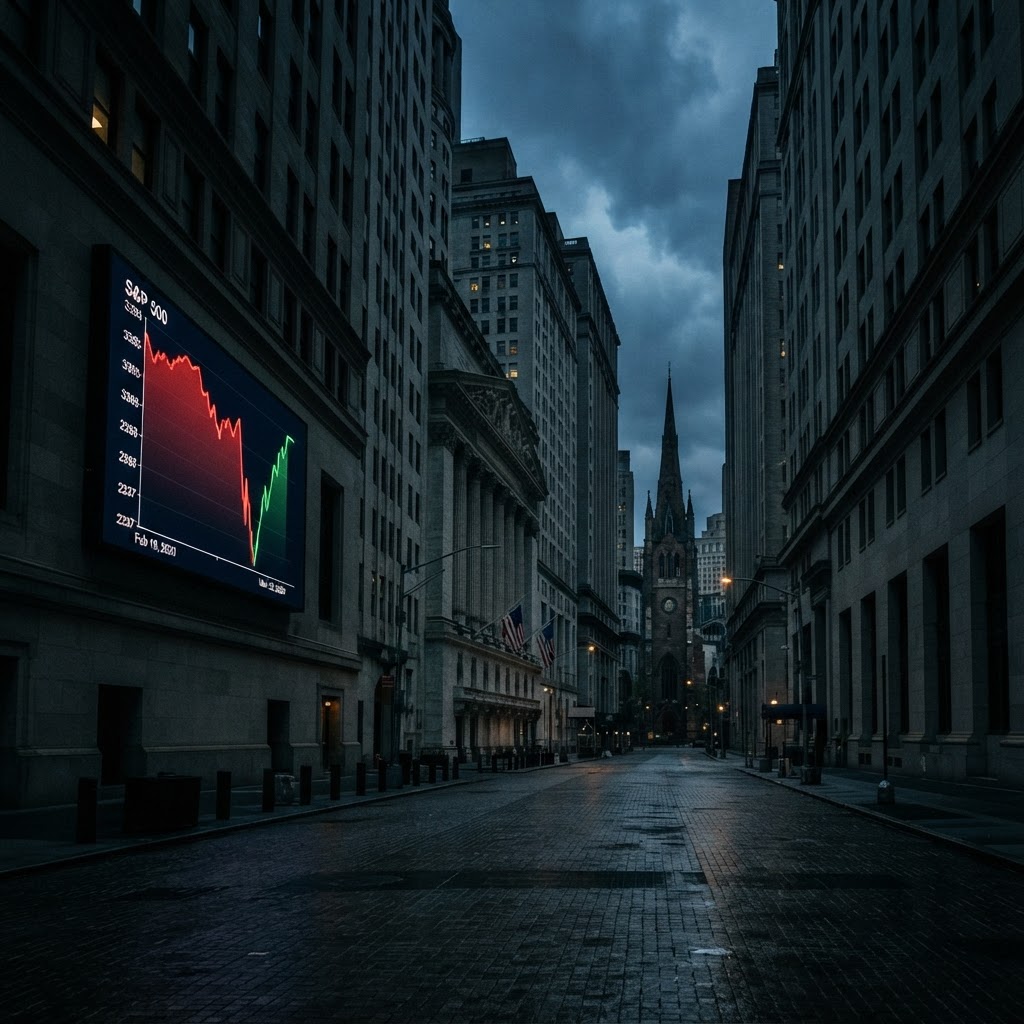
COVID-19 and the 2020 crash: the fastest bear market in history
In February-March 2020, the S&P 500 lost 34% in just 33 days — the fastest bear market in American history. Then it rebounded 100% in 5 months. Those who managed volatility correctly came out transformed.

The Dot-Com Bubble: when the Internet was worth more than the entire real economy
Between 1995 and 2000, internet company stocks grew 1000% with no profits, no products, sometimes no employees. The NASDAQ then lost 80% of its value in 2 years.
Silicon Valley Bank: the collapse of the venture capitalists' bank in 48 hours
In March 2023, Silicon Valley Bank — America's 16th-largest bank — failed in 48 hours. The cause: it had invested client deposits in long-term bonds, then suffered huge losses with Fed rate hikes.
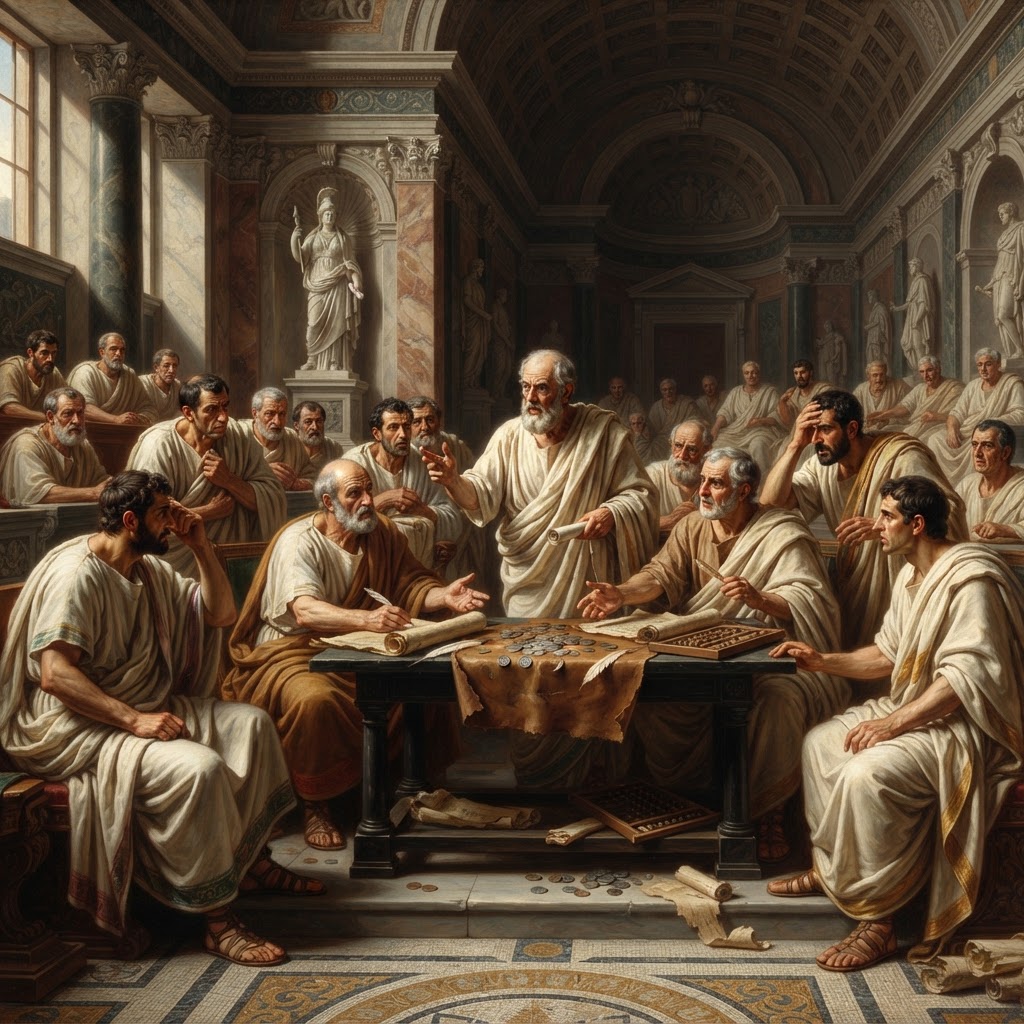
The Roman Credit Crisis 33 AD: the first credit crunch in history
In 33 AD, an ancient law against usury was suddenly enforced. Creditors called in loans. Real estate values collapsed. Tiberius was forced to inject 100 million sesterces into the economy.
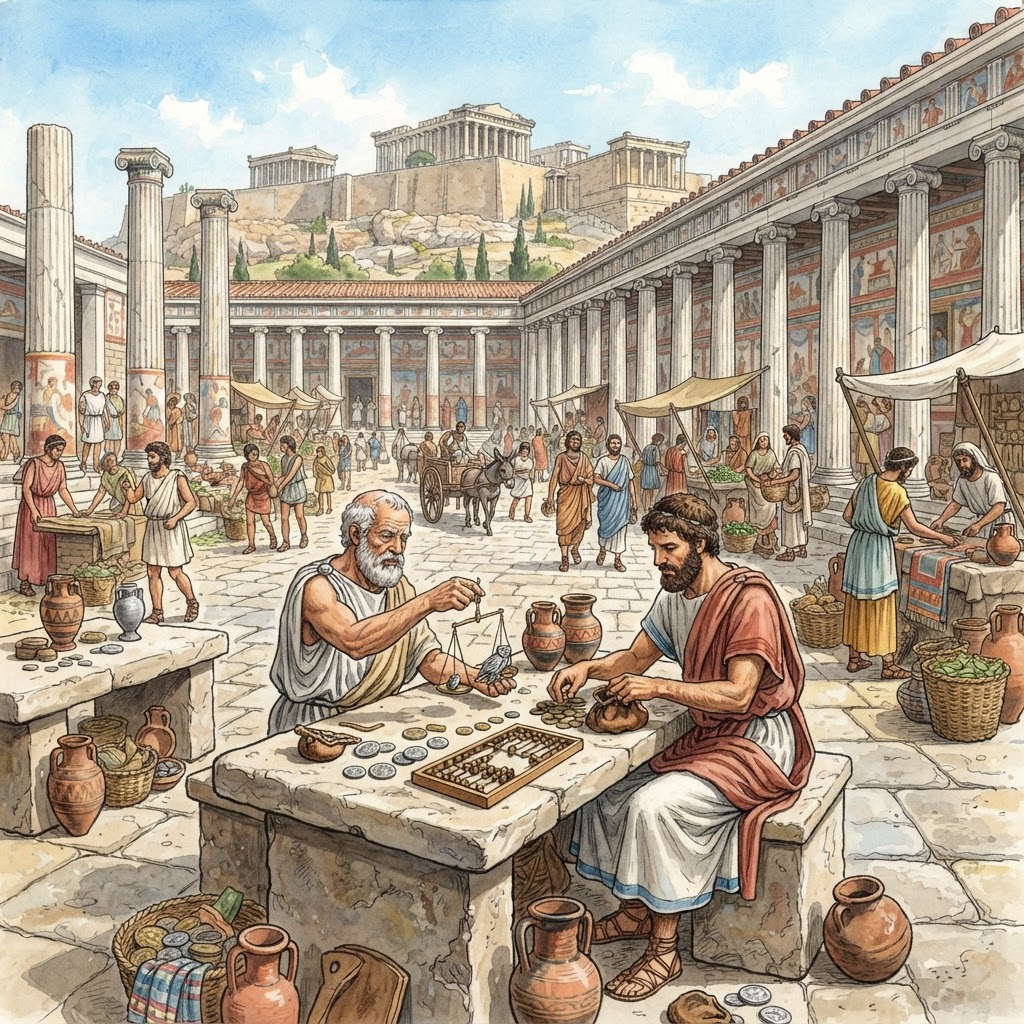
The Trapezites of Athens 400 BC: the first professional bankers in the Western world
In the 5th-4th century BC, Athenian trapezites operated from Piraeus managing deposits, commercial loans, and currency exchange between Greek city-state coins. They were the first modern bankers.
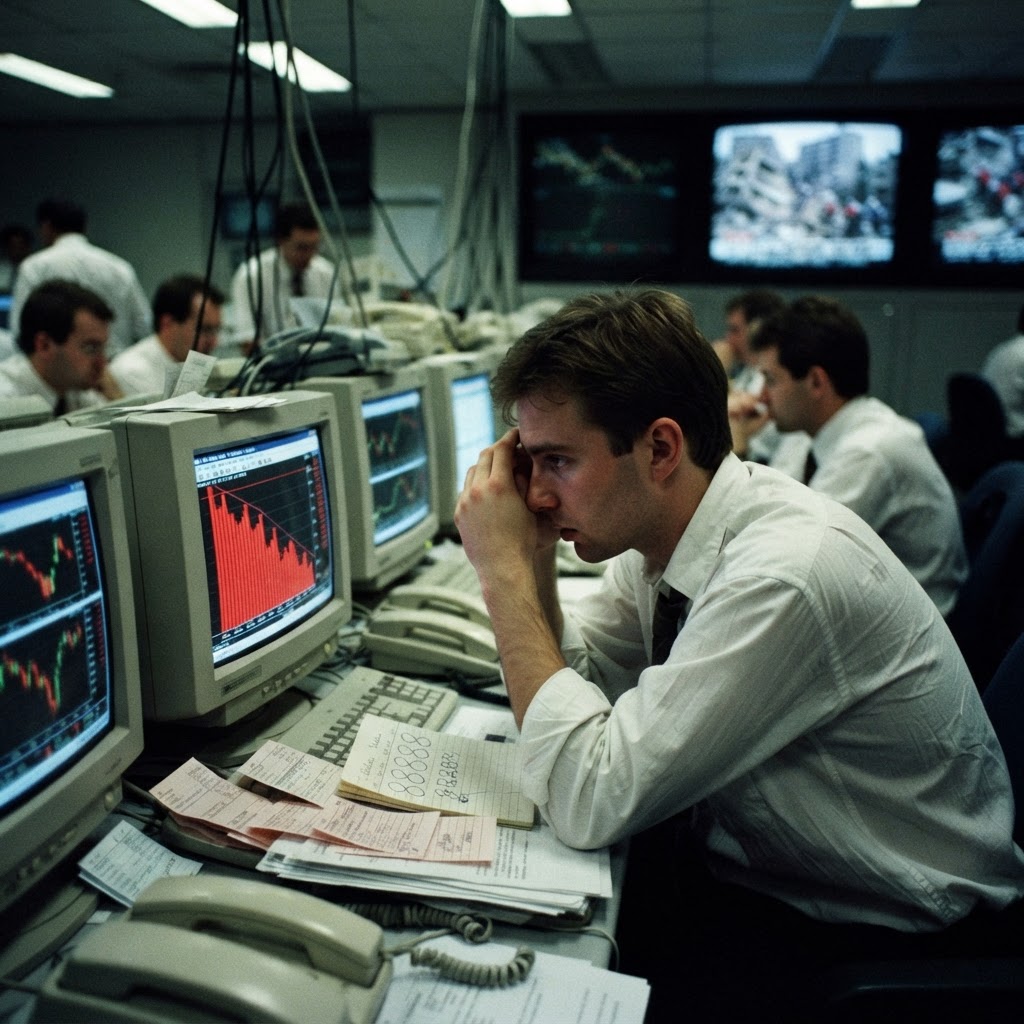
Nick Leeson: how a single trader brought down England's oldest bank
Nick Leeson was a young trader at Barings Bank in Singapore. In 1995, he had accumulated $1.4 billion in losing positions on Nikkei futures, hiding them in a secret account. Barings failed in a weekend.
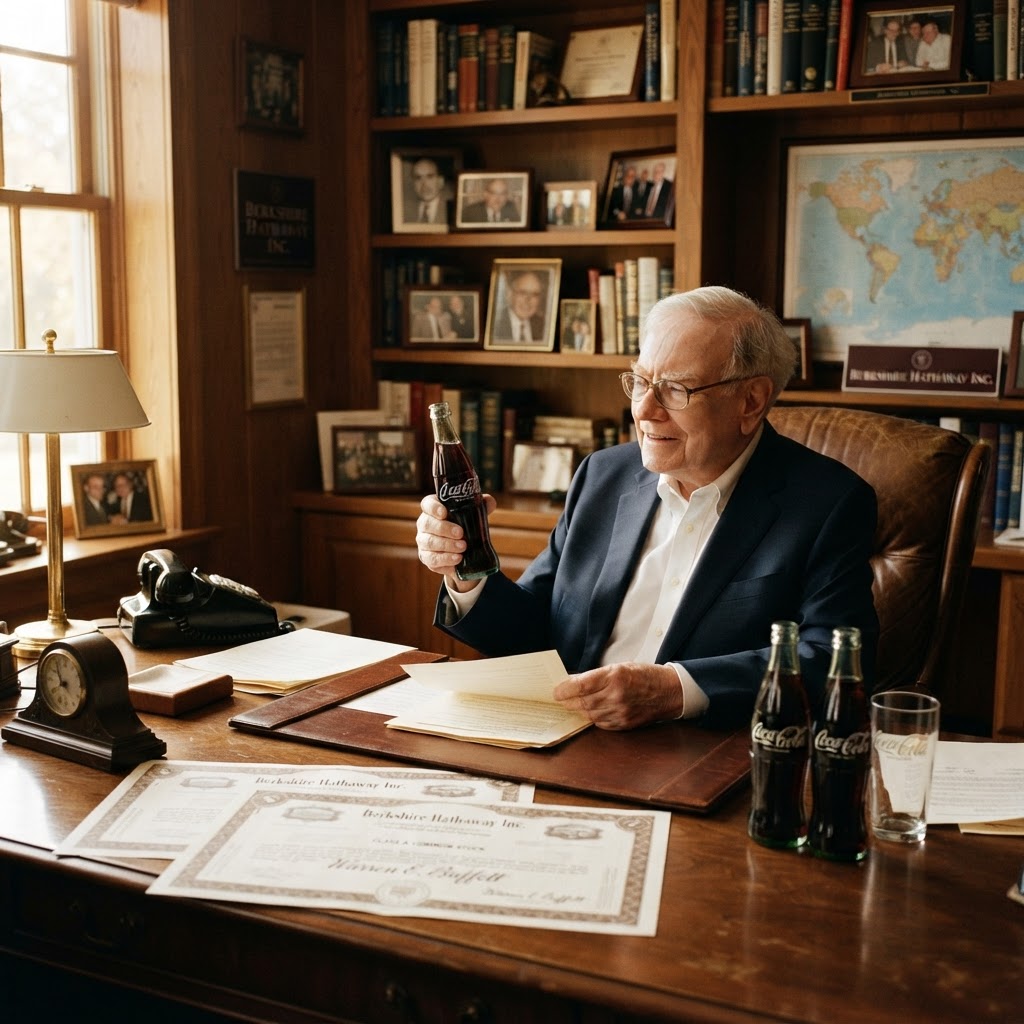
Warren Buffett and Coca-Cola: the $1 billion investment now worth $25 billion
Between 1988 and 1994, Buffett invested about $1.3 billion in Coca-Cola. Today that position is worth over $25 billion and generates $776 million in dividends per year.
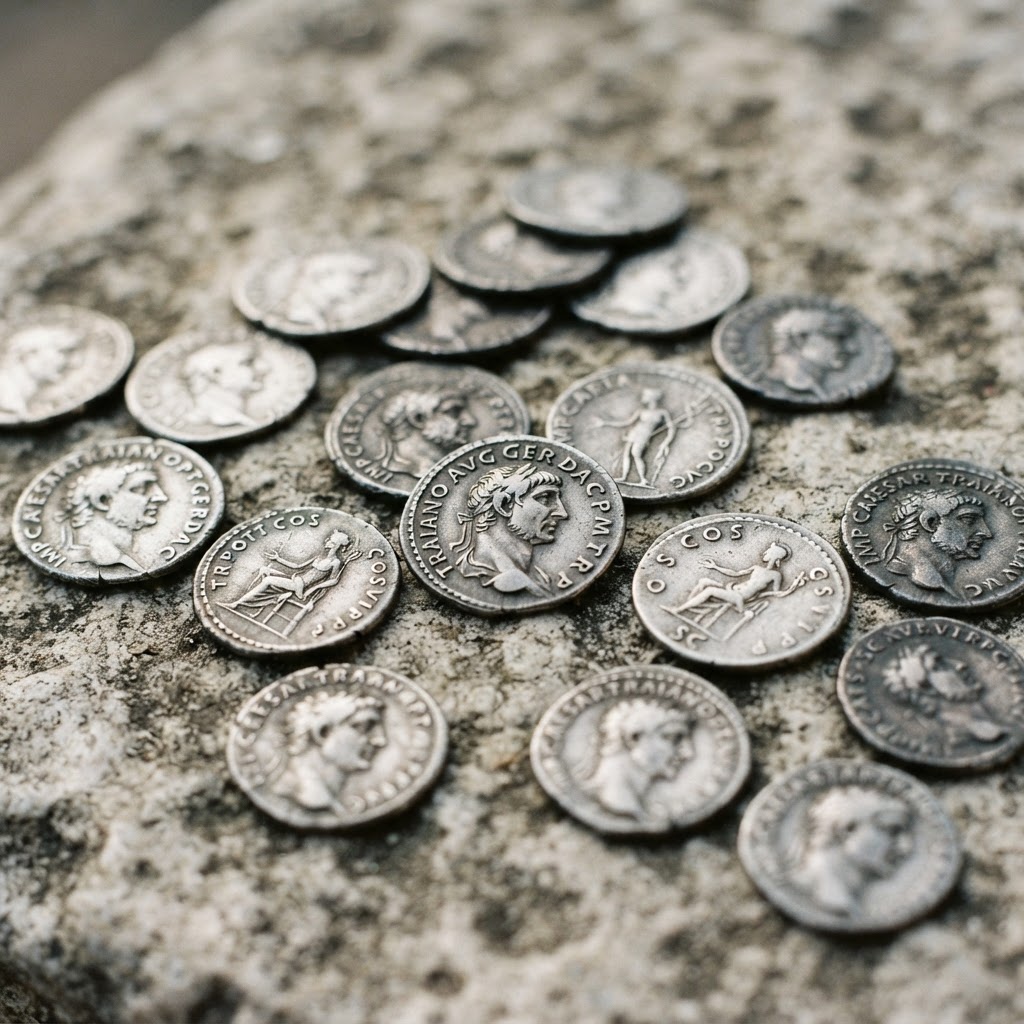
The Debasement of the Roman Denarius 200-270 AD: the first documented hyperinflation
Between 200 and 270 AD, the silver content of the denarius fell from 50% to 2%. Prices increased 1000%. It was the first documented hyperinflationary crisis in history.
Monte dei Paschi di Siena: The world's oldest bank overwhelmed by derivatives
Monte dei Paschi di Siena, founded in 1472, nearly went bankrupt between 2013 and 2017 after secret derivative contracts used to hide billions of euros in losses came to light. An Italian case of failed corporate governance.

Monte dei Paschi di Siena: the world's oldest bank brought down by derivatives
Monte dei Paschi di Siena, founded in 1472, nearly failed between 2013 and 2017 after secret derivative contracts used to hide billions in losses emerged. An Italian case of failed corporate governance.

Microsoft under Satya Nadella: from dinosaur to $3 trillion cloud leader
In 2014, Microsoft was considered irrelevant. Shares had been flat for 14 years. Satya Nadella took over and in 10 years brought the market cap from $300 billion to over $3 trillion.
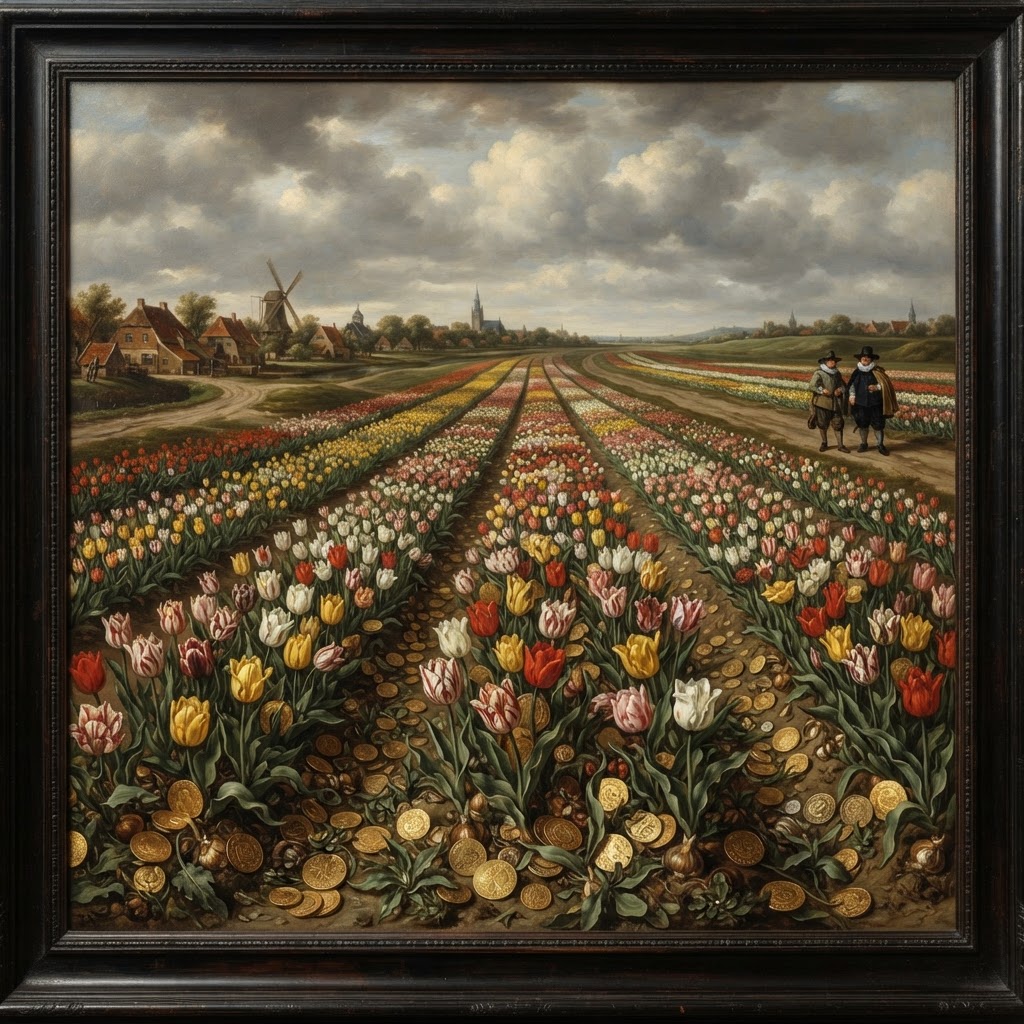
The 1637 Tulip Mania: the first speculative bubble in history
In 1637 in the Netherlands, rare tulip bulbs were sold at prices equivalent to entire mansions. In February 1637, the market crashed in a few days. The first documented bubble in history.

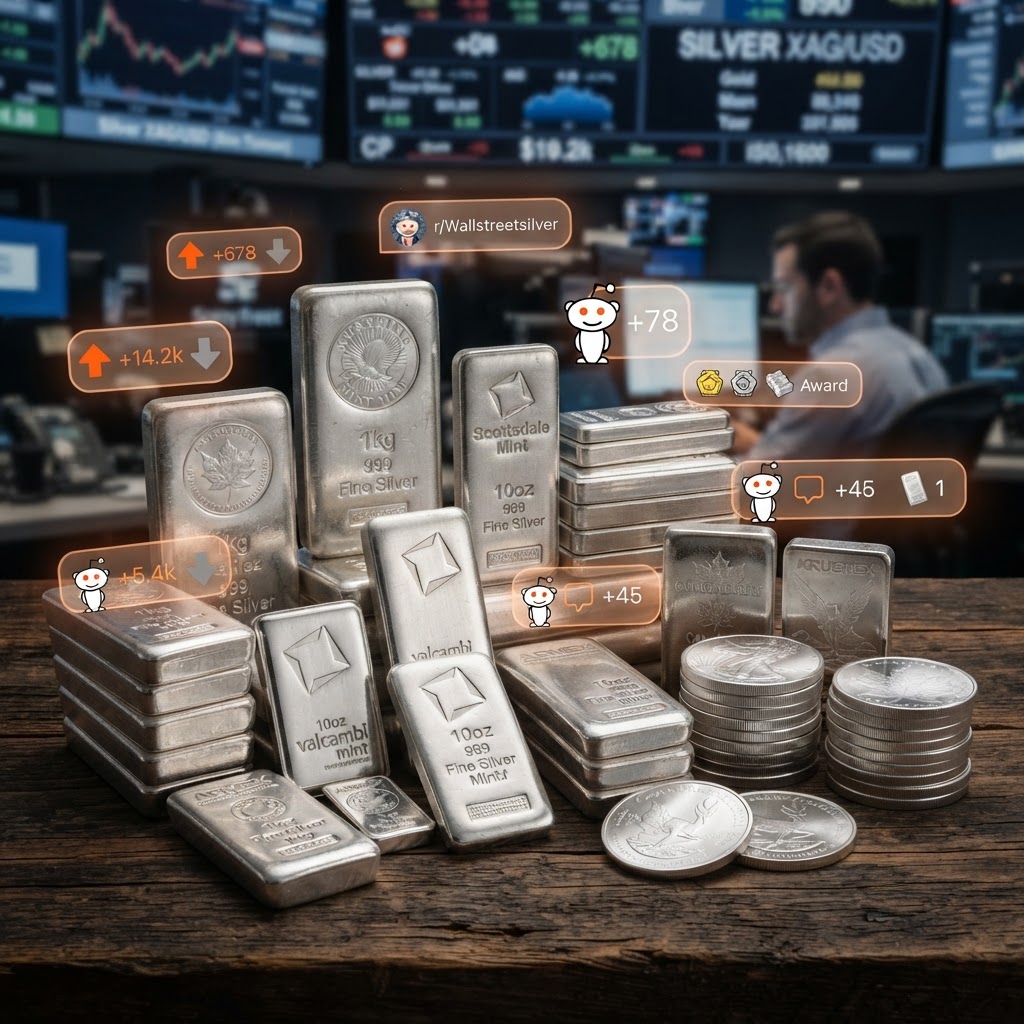
Silver Squeeze 2021: when Reddit tried to short physical silver
After GameStop, WallStreetBets traders targeted silver. The price rose 8% in a day, shops sold out of physical stock. But the operation failed quickly for fundamental structural reasons.
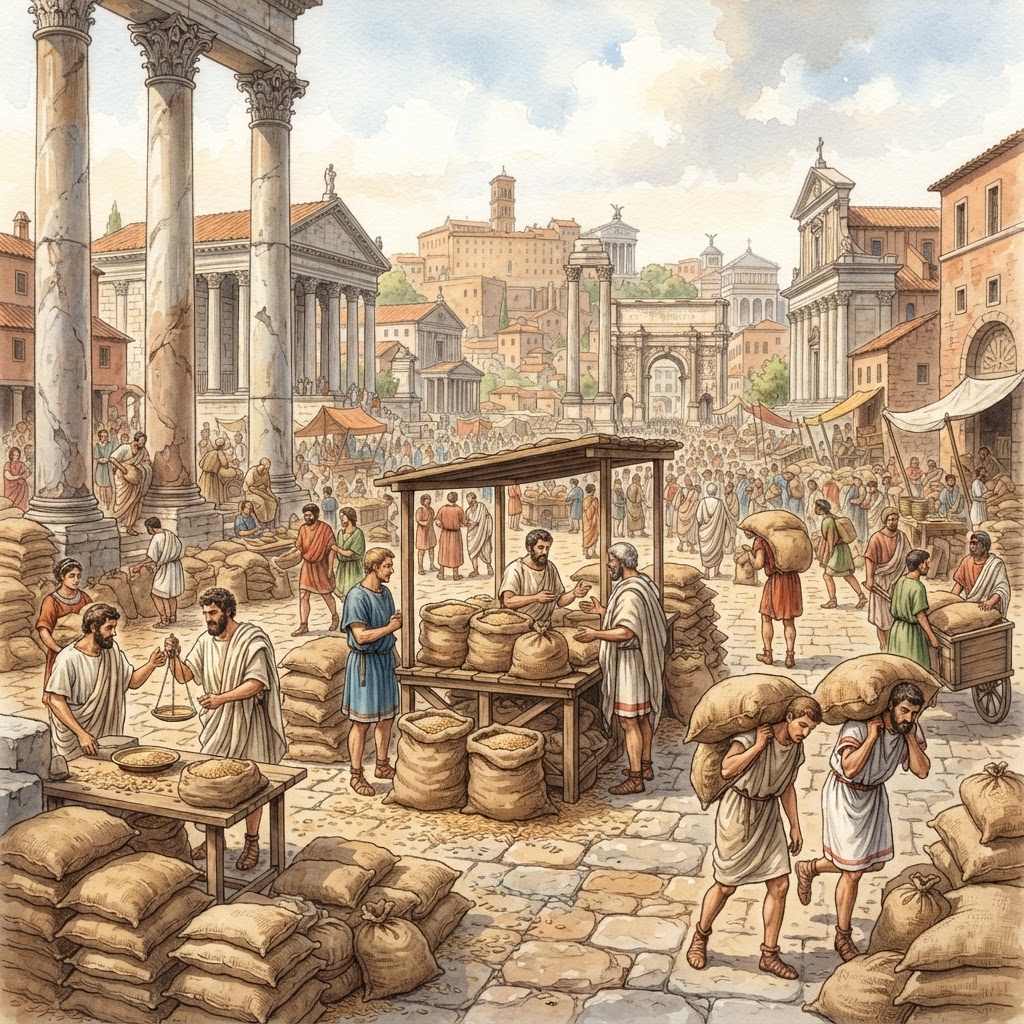
The Grain Crisis in Rome 123 BC: the first controlled price policy
In 123 BC, Gaius Gracchus imposed the Lex Frumentaria: the state sold grain at a fixed price. It was the first food subsidy policy in history — with consequences that lasted until the fall of Rome.

GameStop: how Reddit challenged Wall Street and won (for a week)
In January 2021, an army of Reddit retail traders drove GameStop shares up 2,500%, putting billionaire hedge funds with short positions in crisis. Then the music stopped.

Bed Bath & Beyond: the meme stock that never bounced back
In 2022, Bed Bath & Beyond became a meme stock. Ryan Cohen bought, pumped, and sold. The stock crashed. The company went bankrupt. A brutal lesson on the difference between momentum trading and value investing.
Peter Lynch and the Magellan Fund: how a retail fund beat Wall Street by 29% a year
From 1977 to 1990, Peter Lynch managed Fidelity's Magellan Fund achieving an annualized return of 29.2%. $1,000 invested in 1977 would have become $28,000 in 1990.
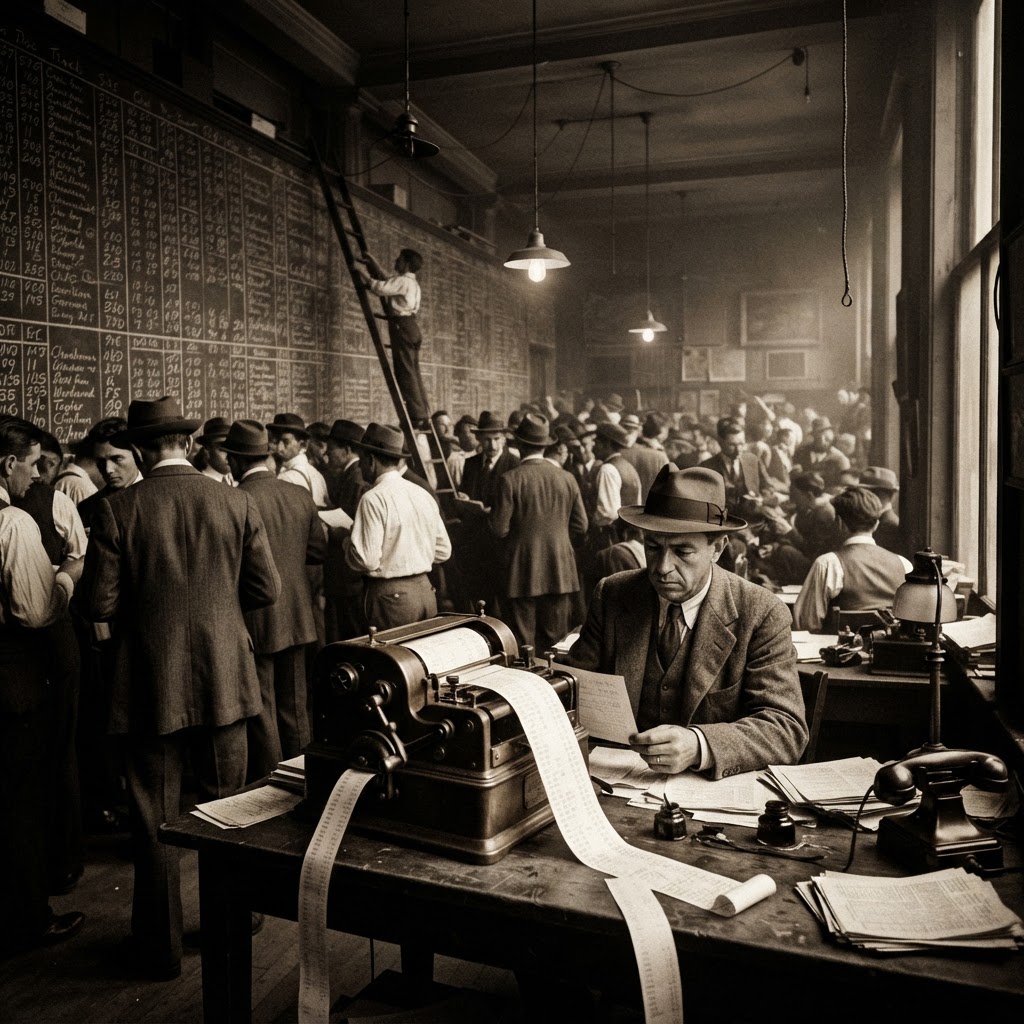
Jesse Livermore: the greatest speculator in history and his tragedy
Jesse Livermore was the most legendary trader of the 20th century. He made the equivalent of billions of dollars betting against the market in 1929. His story is a treatise on the opportunities and dangers of trading.

Crypto Winter 2018: The winter that selected the survivors
In 2018, Bitcoin lost 84% of its value. Ethereum lost 94%. Thousands of 2017 ICOs went to zero. Only projects with real fundamentals survived.
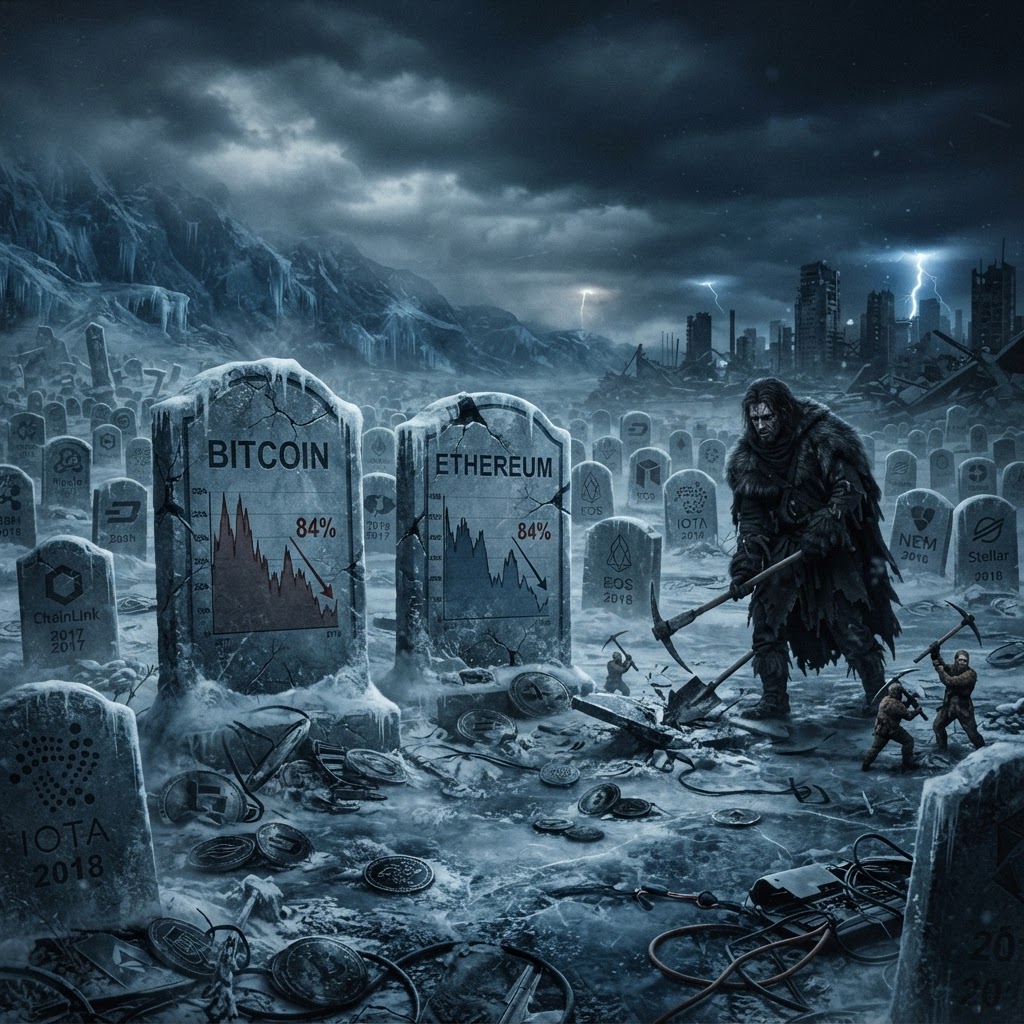
Crypto Winter 2018: the winter that selected the survivors
In 2018, after the January peak, Bitcoin lost 84% of its value. Ethereum 94%. Thousands of 2017 ICOs went to zero. Only a few projects survived — those that survived became the foundations of the next cycle.
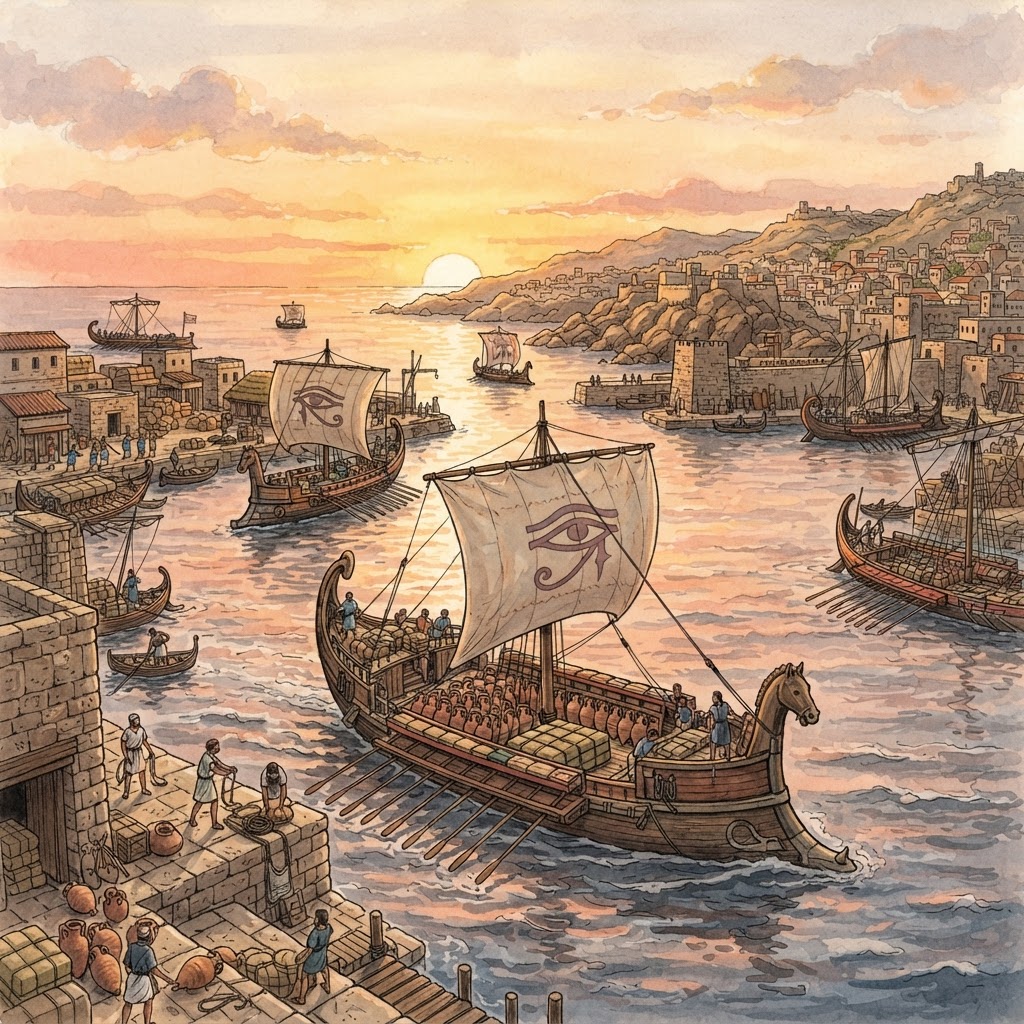
The Phoenicians and Trade Routes 900 BC: the first global traders in history
The Phoenicians of Tyre and Sidon controlled Mediterranean trade for 500 years. They invented proto-financial instruments to manage the risk of sea voyages.
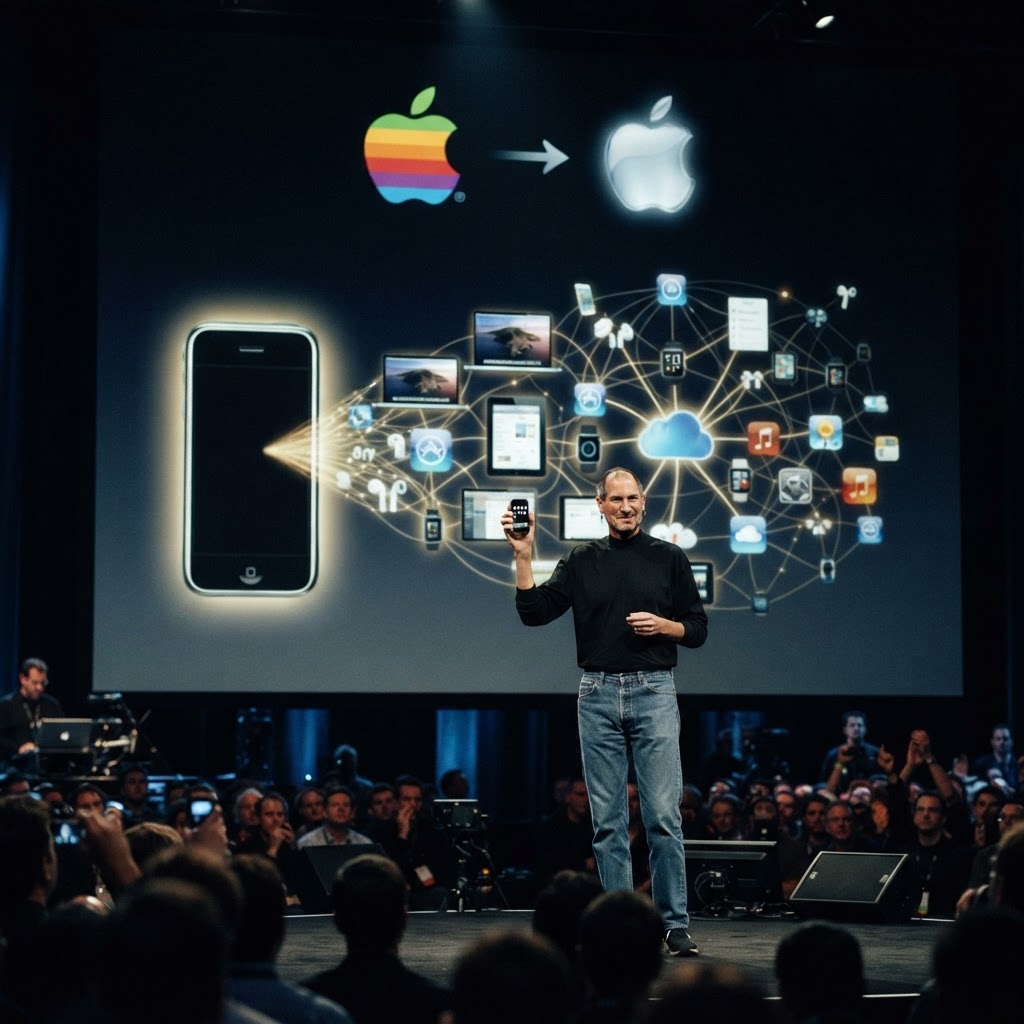
Apple and the 2007 iPhone: how a product transformed a company from tech to cultural icon
On January 9, 2007, Steve Jobs presented the iPhone. At that moment, Apple was worth about $74 billion. Today it's worth over $3 trillion. The story of how a product can reshape entire sectors — and a market cap.

China 2015: the circuit breaker that amplified the crash it was meant to stop
In January 2016, China introduced circuit breakers to stop market crashes. In 4 days, the circuit breakers triggered 4 times. On January 7, the market closed after just 29 minutes of trading.
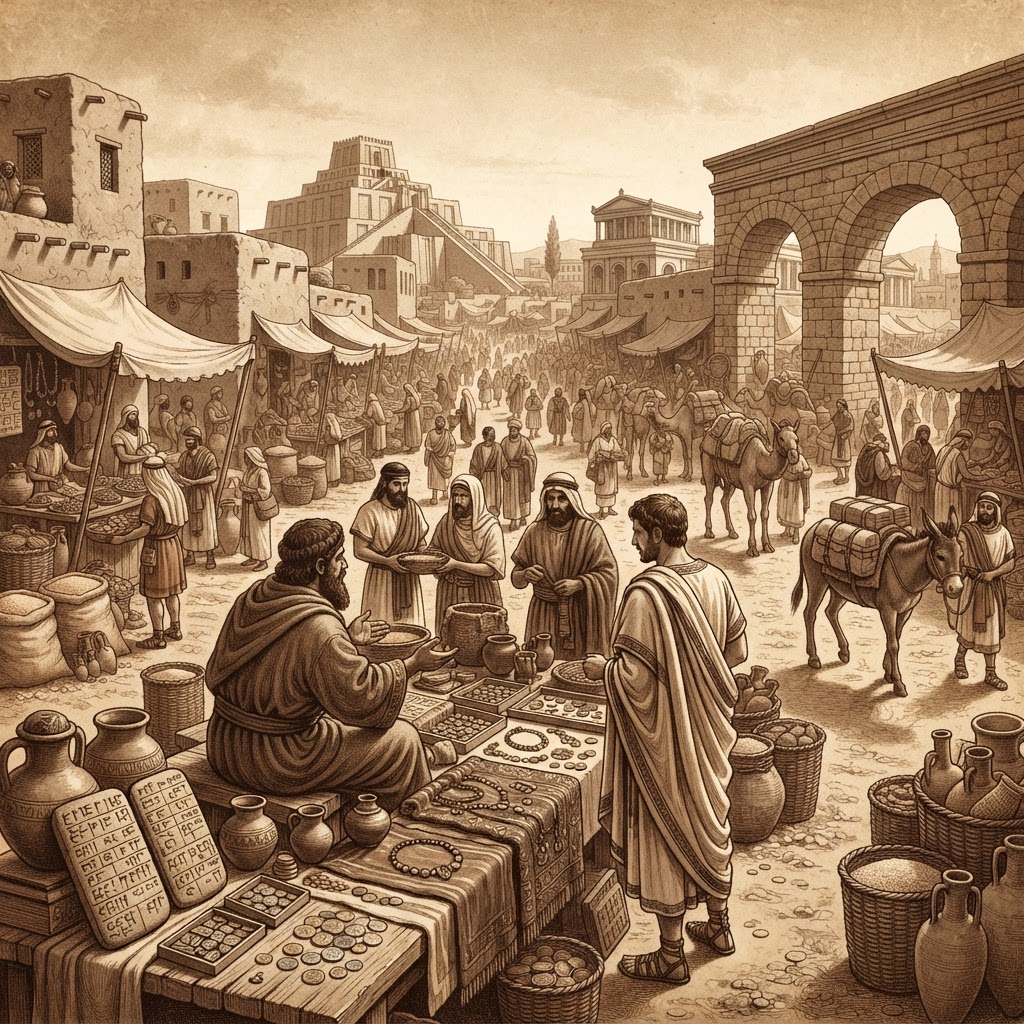
Loans in Mesopotamia 2000 BC: the first financial contracts in history
Sumerian cuneiform tablets document loans at 20-33% annual rates. The Code of Hammurabi of 1754 BC already regulates usury. Finance is 4,000 years old.