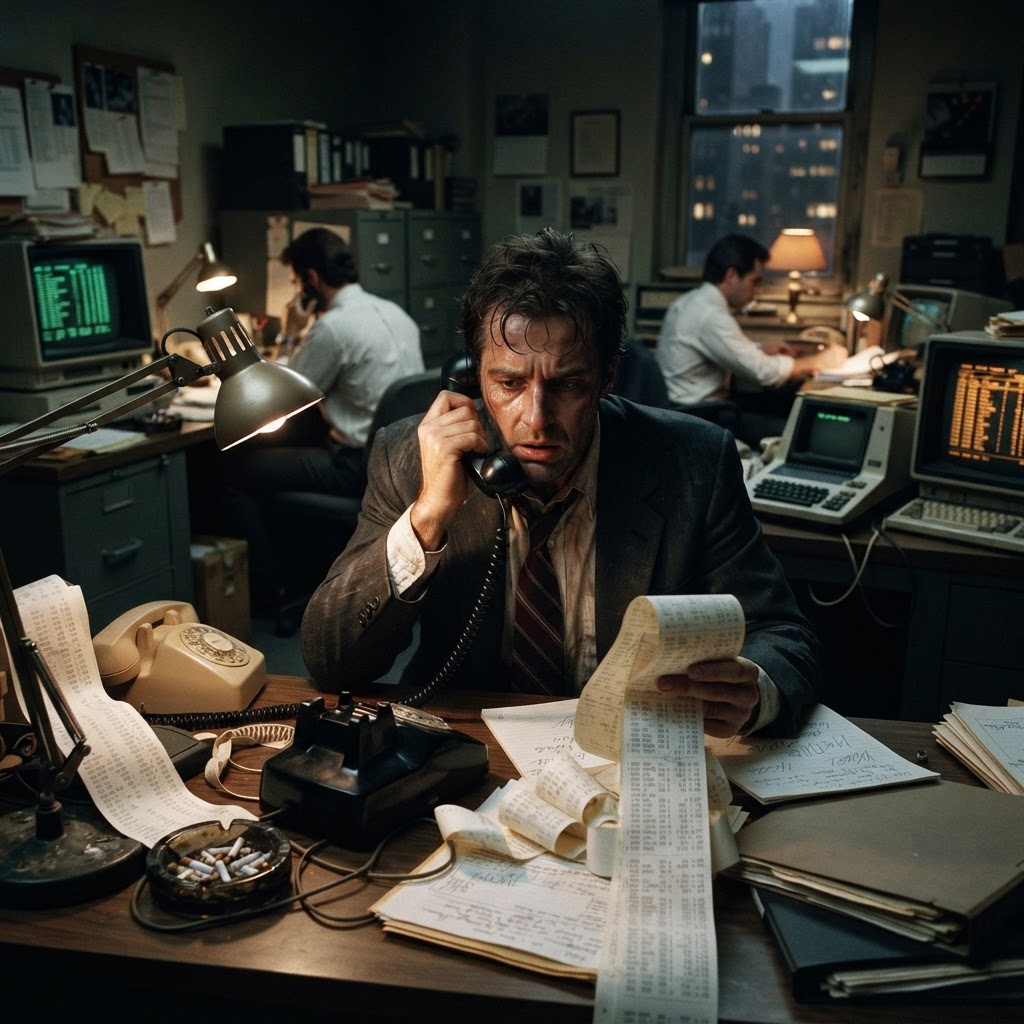
Ivan Boesky 1986: the insider trading king who transformed Wall Street
How Ivan Boesky built a $200 million empire with insider trading and his fall reshaped Wall Street culture
Ivan Boesky was the largest insider trader in American history. Arrested in 1986, he paid $100 million in fines and cooperated with justice. His fall dragged down Michael Milken and changed Wall Street forever.
The king of arbitrage
Ivan Boesky was the most respected arbitrageur on 1980s Wall Street. He made money betting on acquisitions — buying shares of companies that would be acquired before the official announcement. His returns were extraordinarily consistent. Too consistent.
The network of informants
Boesky had built a network of informants inside investment banks. Dennis Levine, a Drexel Burnham Lambert banker, provided Boesky with inside information on upcoming acquisitions in exchange for money. Boesky bought the shares, the acquisition was announced, he cashed in.
The fall
In 1986, the SEC obtained information on Levine and arrested him. Levine cooperated and pointed to Boesky. On November 14, 1986, Boesky was charged with insider trading. He paid $100 million — the largest fine in history up to that point. Two years in prison. In exchange for a reduced sentence, he pointed to Michael Milken.
On the day of his commencement speech at UC Berkeley, months before his arrest, Boesky had said: "Greed is healthy." Oliver Stone immortalized him as Gordon Gekko in Wall Street.
- Too-consistent returns are suspicious: no legal strategy produces near-guaranteed profits in every market condition.
- Cooperation with justice hits more people: Boesky brought down Milken — a typical chain effect of financial investigations.
- The culture of greed creates the preconditions for fraud: the 1980s created an environment where insider trading was culturally tolerated.