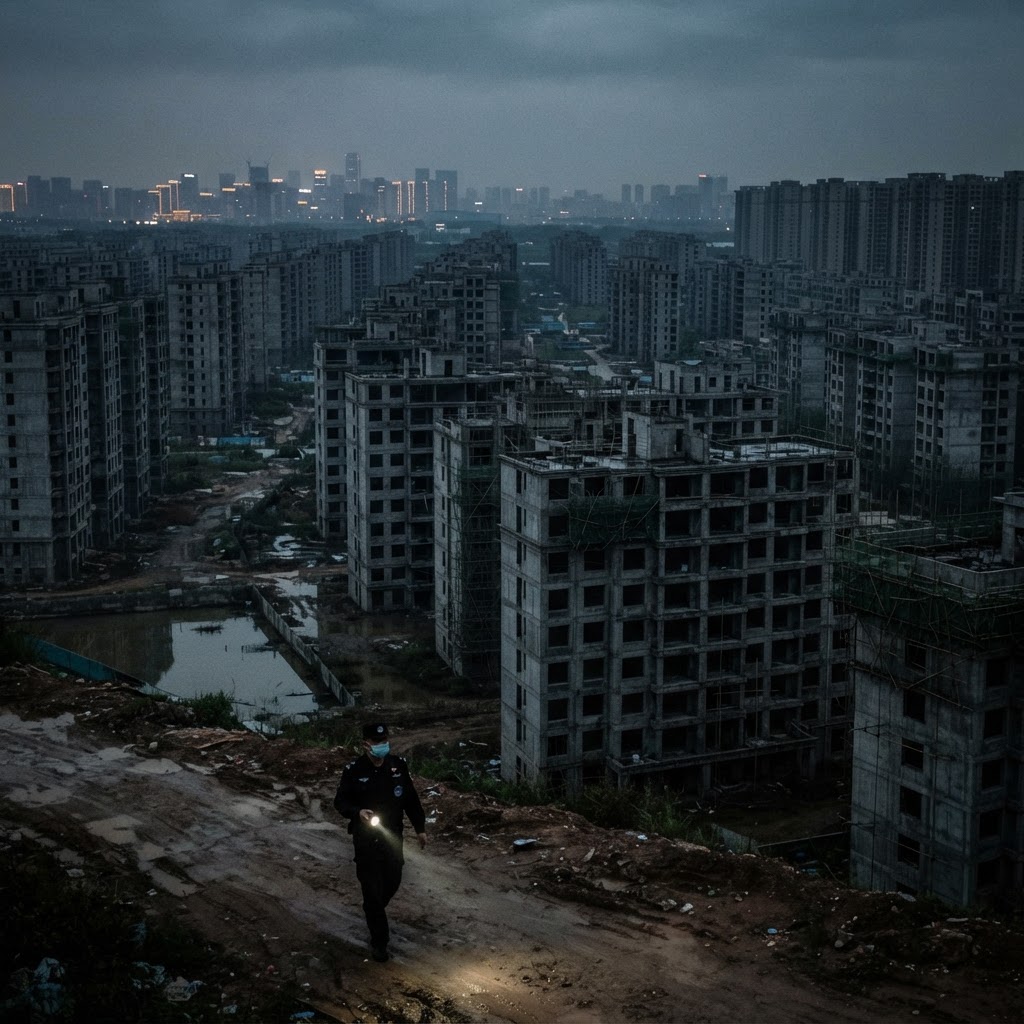
Evergrande 2021: the $300 billion debt that threatened the Chinese financial system
How China's largest property developer accumulated the largest corporate debt in history and nearly collapsed
In September 2021, Evergrande — with $300 billion in debt — missed interest payments. The Chinese property sector crisis that followed dragged the entire Chinese economy into years of stagnation.
The Chinese property miracle
In the 2010-2020 decade, the Chinese property sector was the engine of the economy — contributing 25-30% of GDP. Evergrande, with its founder Hui Ka Yan who worked as a farmer before becoming one of Asia's richest men, was the perfect story of the Chinese economic miracle.
The debt accumulation
Evergrande grew by buying land with debt, building and re-selling before completion, and using proceeds from new sales to pay previous debts — a Ponzi-like mechanism. In 2021, total debt reached $300 billion — the largest debt of a single company in world history.
When the Chinese government introduced the "three red lines" (leverage limits for developers) in 2020, the system jammed.
The contagion
After Evergrande, dozens of other Chinese developers (Country Garden, Sunac, Kaisa) suffered similar difficulties. Chinese property prices fell for years. The crisis weighed on the entire Chinese economic growth in 2022-2024.
- The "sell before building" model is a hidden Ponzi: it works as long as sales grow — it jams as soon as demand slows.
- The Chinese government's "three red lines" changed the rules of the game: sudden regulation can turn sustainability into insolvency overnight.
- Chinese property was the collateral of all growth: when it collapses, the impact on the real economy is systemic.